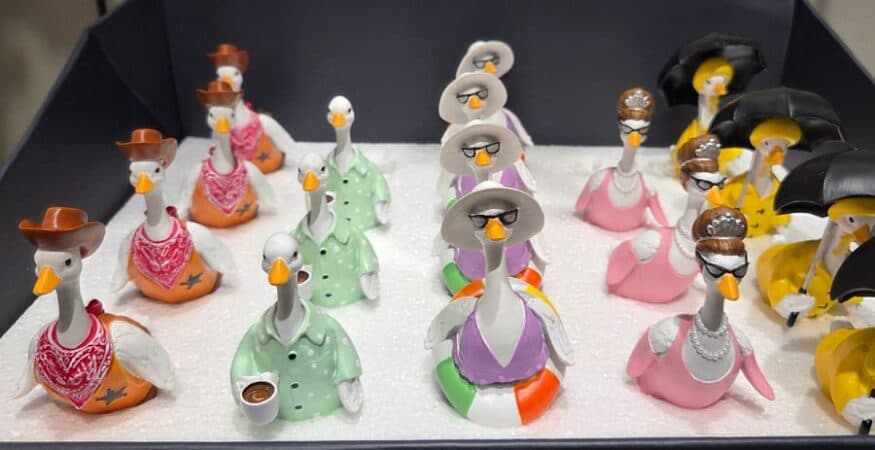
Personalized corporate gifts turn events into lasting brand moments
Generic swag is fading as planners use personalized gifts to build loyalty, recall, and warmer client relationships. The category is growing fast because relevance works.

The branded tote is losing its grip on corporate gifting. Corporate gifting is moving toward hyper-personalized moments that feel built for one person, not bulk-ordered for a crowd, because the real goal is loyalty, recall, and stronger post-event relationships.
Why generic swag is breaking down
The strongest brands are no longer treating gifting as a logo-placement exercise. They are prioritizing personalization and relevance instead of simply adding a name to a package, tying gifting to a bigger business goal: internal employee engagement that helps create external loyalty.
In data cited by Forbes, 51% of Gen Z often forget to use the loyalty programs they join, which is exactly why forgettable perks and generic rewards struggle to stick. If a gift does not feel timely, useful, and personally chosen, it gets treated like noise.
Employee gifting has also become part of retention strategy, not just seasonal courtesy. It functions as emotional infrastructure, and planners are increasingly treating event gifts not as souvenirs, but as moments that can influence how someone remembers the brand long after the event ends.
The market is signaling a bigger shift
The Business Research Company estimates the personalized gifts market will grow from $30.79 billion in 2025 to $33.49 billion in 2026, while Grand View Research puts the custom printing market at $38.10 billion in 2024 and projects it will reach $68.46 billion by 2030. Grand View Research also estimates the gift wrapping products market at $18.02 billion in 2023, with growth to $31.31 billion by 2030.
Snappy's survey data show 75% of employees want to receive a holiday gift from their company, while 66% of respondents send gifts to clients and 68% send gifts to vendors. Snappy puts its global delivery total at more than 7 million gifts.
Around half of Gen Z and millennial consumers in the United States were more likely to buy or give a personalized gift in 2024, Statista found, and a separate Statista survey found that consumers prefer companies that tailor experiences to their wants and needs.
What personalization should actually look like
The most effective gifts are not just customized, they are context-aware. Event planners and brand marketers can build a gift around the person, the moment, and the business relationship instead of stopping at a monogram or printed logo.
The tactics that feel genuinely elevated are usually the ones that make a VIP feel known before the gift is even opened:
- Choice-led gifting, where guests select from a short, well-edited set of items based on role, use case, or preference.
- Curated unboxing, where the packaging, sequence, and note are part of the experience, not an afterthought.
- Event-specific gifting, where the item reflects the program, city, or milestone being celebrated.
- Audience-specific kits, where clients, vendors, employees, and speakers get different versions based on how they engage with the brand.
- Data-informed timing, where gifts arrive at the right moment, not weeks later when the event is already forgotten.
How planners should think about the business outcome
A corporate gift can mark the event, deepen the relationship, and extend the brand experience after the room empties. Brands are leaning on data and AI to scale tailored gifting experiences: the more precisely the gift fits the recipient, the more likely it is to be kept, used, and associated with the event.
For event teams, that means planning around the guest journey instead of the giveaway table. A gift handed out at check-in can feel generic; the same item, delivered with a thoughtful note after a keynote or paired with a relevant session takeaway, can feel considered.
This article was produced by Prism’s automated news system from verified source data, official records, and press releases, then run through automated quality and moderation checks before publishing. The system is built and supervised by the people who set the standards it runs under. Read our full AI policy.
Did this article answer your question?