Personalized, Eco-Friendly and Tech Gifts Set to Lead 2026 Trends
Personalization, sustainability and ecosystem‑aware tech are the three gifting pillars shaping 2026, expect smart, bespoke presents that feel thoughtful and last.
1. Personalized tech and wearables, gifts that truly know the recipient
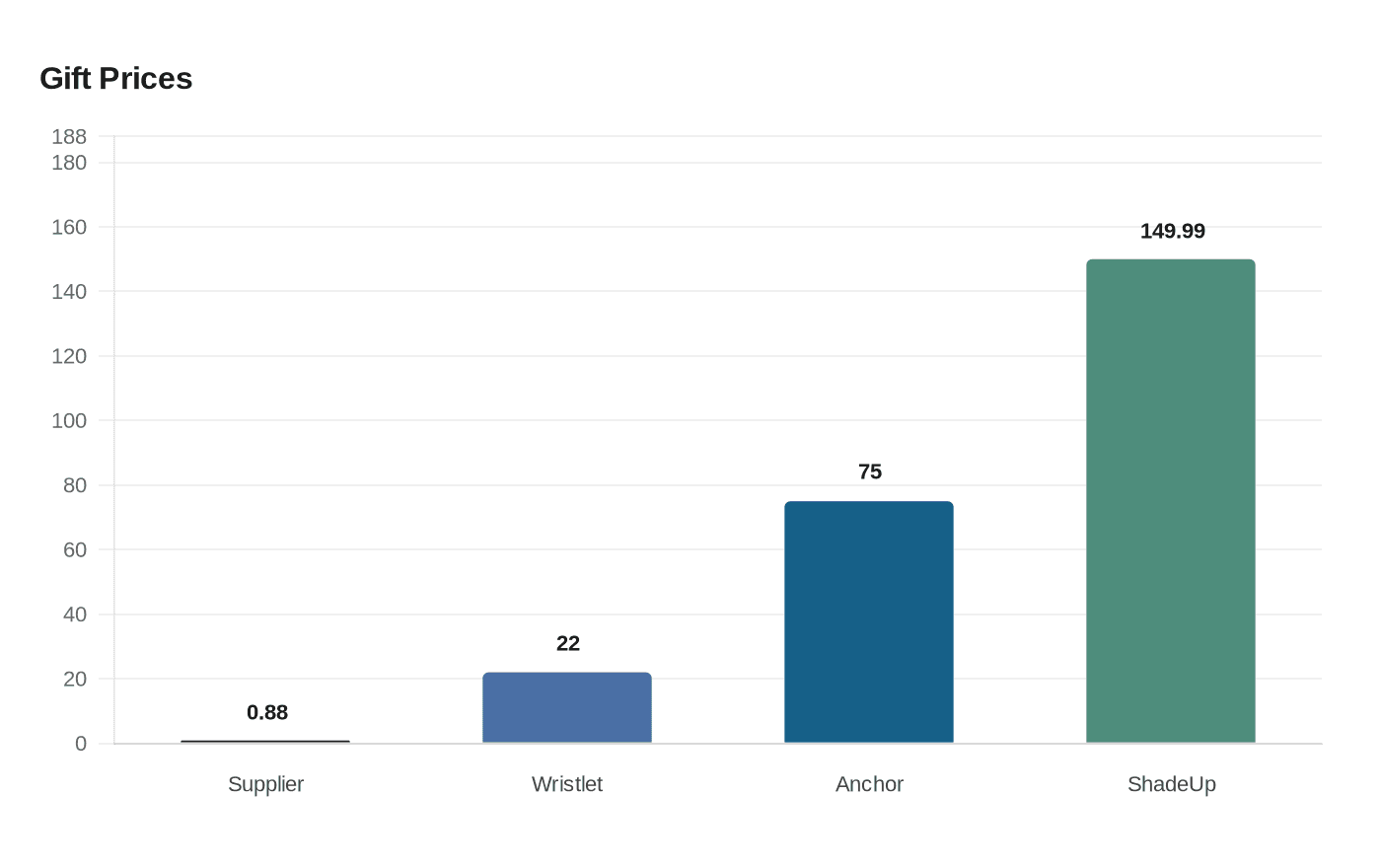
Personalization is not a slogan this year; it’s the market driver. “The personalized gifts and cards market is expected to grow at a CAGR of 11.6% from 2026 to 2033, driven by consumers seeking unique and meaningful items.” Wearables and accessories dominate that segment because they combine utility with the chance to customize engraving, software profiles or aesthetic choices. At the top end, the VERTU Metawatch (Hamlet Limited Edition) illustrates how personalization now reads as haute jewelry: “It features a sapphire dial and over 500 genuine South African diamonds. Burmese rubies add to its allure. This Web3-connected smartwatch offers health monitoring and 100+ sports modes. OTA upgrades ensure it stays current. It serves as a wrist-worn entry into the WEB3.0 world.” Those exact attributes position Metawatch buyers as collectors who want bespoke materials, advanced health sensors and a status object that can be updated over time. For practical, wallet‑friendly personalization, CNN’s advice rings true: “My number-one tip? Be nosy! Pay close attention to things like what phone they have, what type of smart devices are in their home, what game consoles they play and whether they’re a PC or Mac person. This’ll make it much easier to gift them accessories and gadgets that’ll work within their existing ecosystem.” Small customized tech gifts are inexpensive to produce in bulk, Alibaba listings show supplier ranges such as Innovation Unique Products 2026 Factory Personalized DIY Whi… at $0.88–$1.18 with a 5‑piece min order, and Customized Tech Gifts Premium Smart Innovative Future Tech A… at $9.0–$38.0 with a 2‑piece min order, so you can order a handful of engraved tie clips, bespoke cable organizers or branded tech pouches without breaking the bank. Who this is for: the recipient who cares about individuality, collectors, gamers, professionals who live inside a tech ecosystem and anyone who values a tailored touch.
2. Eco‑friendly lifestyle gifts, durability, provenance and thoughtful upgrades
Sustainability is now a gift feature, not an afterthought: materials, testing and repairability matter. Handy Beach’s Umbrella & Anchor System is a smart example of eco‑conscious product design that’s also eminently giftable. The canopy is made from recycled plastic bottles (RPET), it’s UPF 55+ silver‑lined to block 99.9% of harmful UV rays, and the brand highlights ASTM wind safety testing as evidence of durability: “It sets up in 10 seconds and doesn’t blow away.” Pricing is transparent: a Wind‑Safe Shade Upgrade is $149.99, and you can buy the Handy Hammering Anchor Stake alone for $75 to upgrade an existing favorite canopy instead of replacing it. For smaller, purpose‑driven presents, the water‑resistant Wristlet is priced at $22–$25 and touted as “designed to keep valuables sand‑free and dry” for solo swimmers, paddleboarders and moms. The brand’s voice is explicit: “As a brand founded on sustainability, we believe the best gifts are the ones that last.” This maps to a broader trend away from splurge jewelry toward “affordable luxuries” and experiential or durable items that create memories rather than clutter. Practical travel and organizing accessories also fit this pillar: Peak Design’s Tech Pouch uses origami‑style pockets, a water‑resistant shell and an exterior passthrough opening so people can charge items inside the bag, features that speak to longevity and everyday usefulness without ostentation. Who this is for: outdoor families, frequent travelers, parents and anyone who prioritizes durability, repairable upgrades and transparent materials.

3. Tech gadgets and smart‑home gifts, match their ecosystem and add convenience
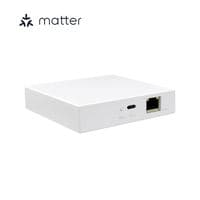
Tech remains a gifting powerhouse when chosen with the recipient’s ecosystem in mind. Practical advice holds: pick accessories and devices that plug into what they already use, AirPods for Apple users, Echo‑compatible devices for Amazon households, spare controllers for console players. Practical product examples span entry‑level smart home hardware through luxury wearables. Supplier listings show the range: an RSH Matter Gateway Tuya Zigbee Smart Home Hub Bridge Support… is listed at $23.0–$25.0 with a one‑piece min order; LangYeao Matter Smart Light Swit… ranges $4.4–$17.6 with min order one; a Smart Home WiFi Switch with Power Monitoring is $7.24–$8.66 min order one; and a Smart Home System appears at $100.0 but with a 1000‑unit minimum, data that underscores the gap between wholesale supplier pricing and consumer retail. On the consumer side, Engadget recommends the Hidrate Spark Pro 2 as a hydration gift: the 21 oz stainless‑steel bottle uses a Bluetooth sensor puck to track intake, features a customizable LED hydration reminder, syncs with the Hidrate Spark app and Apple Health, and is listed at $80 at Amazon. For sleep‑related gifts CNN highlights the Soundcore by Anker Sleep A30 earbuds as a thoughtful pick “for the loved one stuck with a snoring partner.” And the Keychron K10 HE mechanical keyboard proves how accessible personalization can be: Casey praised its mix of looks and feel, “The Keychron K10 HE first won me over with its stylish looks that mix customizable lighting with a great black (or white) and rosewood aesthetic, but I kept typing on it because it felt so good and I got so much work done,” Casey said. “Gamers who love to customize their tech will love this keyboard even more, thanks to the ability to program the keys so they can perform certain tasks even faster than before.” Pricing on Keychron is shown as “~~$145~~ From $116 at Walmart,” and $145 at Amazon and Best Buy, a reminder to check retailer sales and compatibility before buying. Who this is for: gadget lovers, wellness‑minded friends, readers who want an e‑ink escape, households building a smart home and anyone whose life will be easier with a device that plays nicely with what they already own.
The takeaways are simple: choose personalization that reflects the recipient’s habits, favor sustainable materials and repairable upgrades, and always match tech gifts to the device ecosystem the person already uses. Those three priorities, individuality, longevity and compatibility, are what will make a gift feel luxurious in 2026.
This article was produced by Prism’s automated news system from verified source data, official records, and press releases, then run through automated quality and moderation checks before publishing. The system is built and supervised by the people who set the standards it runs under. Read our full AI policy.
Did this article answer your question?