Personalized fine jewelry turns milestones into heirloom keepsakes
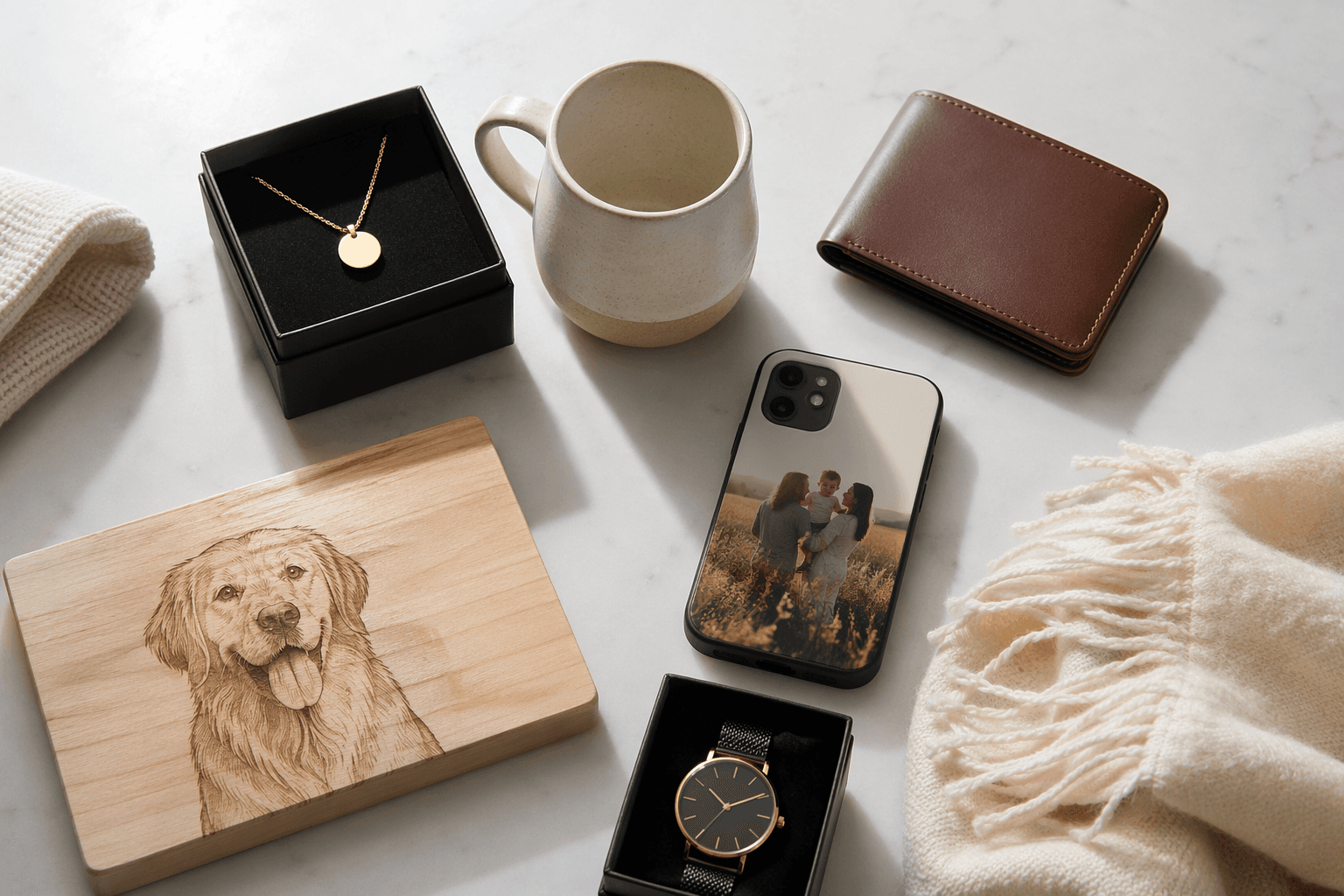
A date, birthstone, or handwriting makes fine jewelry feel personal now and heirloom later. The strongest gifts match the milestone, not just the budget.
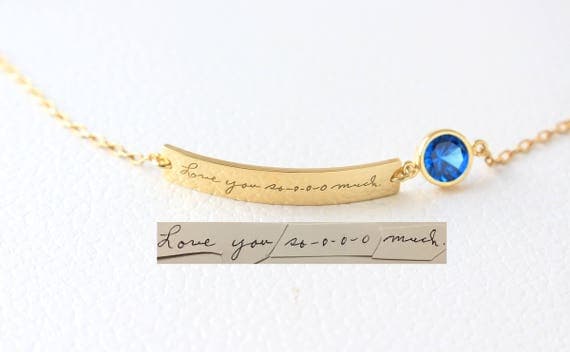
Personalized fine jewelry works because it locks a life moment into the object itself. A diamond ring engraved with a wedding date, a pendant set with a birthstone, or a bracelet traced from a handwritten note carries the story as well as the sparkle, which is why these pieces get worn long after the celebration ends.
Why personalization changes the gift
The market has already moved in this direction. De Beers’ June 2026 U.S. Diamond Acquisition Study, based on responses from 18,500 women ages 18 to 74, says natural diamonds remain the most desired luxury jewelry product, average purchase prices rose 25% in 2025 to $4,063 per piece from $3,242 in 2023, and non-bridal occasions now account for three-quarters of overall U.S. demand. The study also shows that purchases tied to a new job, a promotion, an achievement, or just because are increasingly part of the reason people buy.
That shift explains why the details matter so much. JCK reported that demand for personalized jewelry spiked during the pandemic and has stayed high, with birthstones, names, dates, symbols, initials, and handwriting-based designs emerging as the most persuasive touches. Stuller has even named the trend Storyteller, which fits the category well: the best pieces do not just mark an occasion, they preserve the proof that it happened.
How to match the milestone to the detail
Engagement is where personalization should feel refined rather than obvious. A hidden engraving inside a band, a proposal date tucked into the shank, or a small symbol that only the couple understands makes the ring feel singular without overpowering the stone itself. If you are shopping near the current $4,063 average natural diamond purchase price, that private detail is often what moves the piece from beautiful to unforgettable.
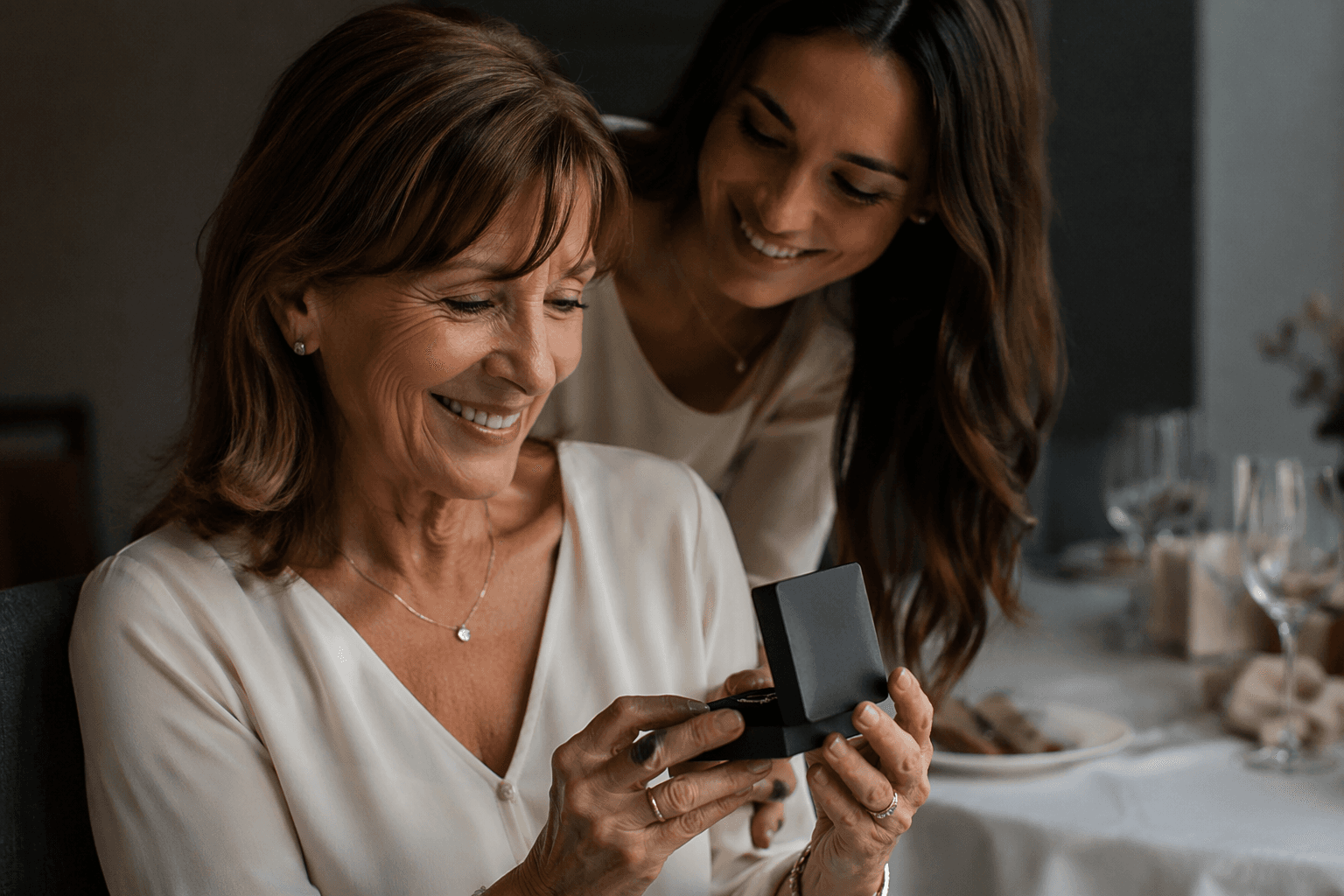
Graduation calls for a different register. This is the moment for names, initials, a class year, or a birthstone, because the gift is about identity as much as achievement. A fine chain, pendant, or bracelet with one of those markers gives the graduate something that can be worn daily, then kept as a reminder of the first major milestone in a new chapter.
Anniversaries can carry the richest customization of all, because the meaning has had time to accumulate. A date engraving, a shared symbol, or a handwritten phrase turned into a wearable detail makes sense here because the piece is documenting a relationship that already has history. This is where personalization best earns heirloom status: the jewelry is not just commemorating a single day, it is recording the years that followed.
Achievement gifts, including a new job or a promotion, are where the market’s newer behavior is most visible. De Beers says gifting represented 44% of sales in 2025, up from 35% two years earlier, while self-purchases accounted for 31%, which makes these gifts feel less like a special exception and more like a normal part of how people reward themselves. That is also why the most thoughtful versions usually carry a name, date, or symbol tied to the accomplishment rather than a generic luxury gesture.
What the numbers say about who is buying
Gen Z is now the second-largest generation buying natural diamond jewelry, and De Beers says that group spends about $4,080 per piece, compared with $2,250 for Baby Boomers. Gen Z represents 18% of the population but 23% of natural diamond demand value, and it buys or receives diamonds for 1.83 occasions per year, above the overall average of 1.7. Birthdays matter especially to that buyer, which helps explain why pieces that can be tailored to a specific date, name, or handwritten message resonate so strongly.
The older story behind the category matters too. De Beers says natural diamond demand evolved from wartime symbols of everlasting devotion in the 1940s to the rise of female self-purchase in the 1970s. Its 2017 research found that more than a quarter of women’s diamond jewelry purchases in 2016 across the U.S., China, Japan, and India were self-purchases, representing more than US$18 billion in value, which shows that buying for yourself is not a niche behavior but an established part of the market.
Why retailers are building around milestones now
That broader shift is also visible in retail strategy. De Beers and Signet Jewelers launched the Worth the Wait natural diamond campaign on October 15, 2024, aimed at soon-to-be-engaged Zillennials and backed by training for Signet’s 20,000 sales associates. Signet’s Milestones Natural Diamond Collection follows the same logic, tying diamonds to modern relationship stages and to a wider set of life events, not just proposals and weddings.
Taken together, the message is clear: the emotional weight of the moment should determine the level of customization. A small engraving can be enough for a graduation, a birthstone can anchor a birthday or achievement, and a handwriting-based design can turn an anniversary into something deeply personal. The pieces that last are the ones that carry a name, a date, or a mark no one else could have chosen, which is how jewelry stops being a gift and starts becoming a family story.
This article was produced by Prism’s automated news system from verified source data, official records, and press releases, then run through automated quality and moderation checks before publishing. The system is built and supervised by the people who set the standards it runs under. Read our full AI policy.
Know something we missed? Have a correction or additional information?
Submit a Tip