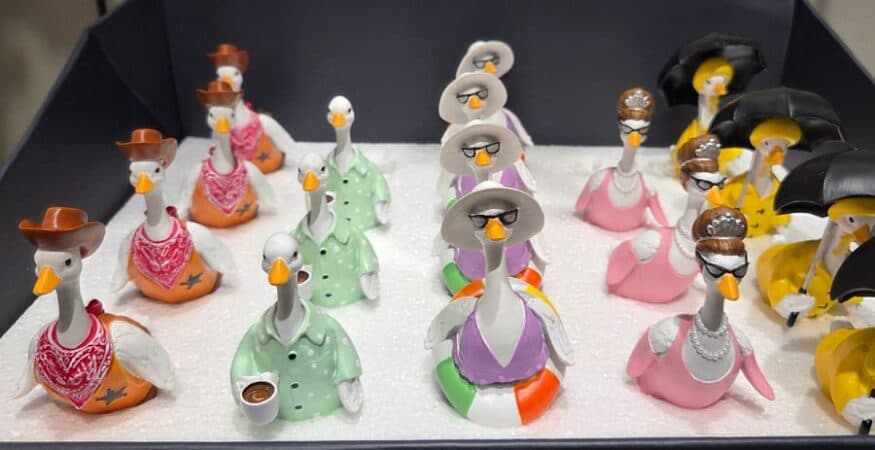
Personalized Gifts Grow More Emotional, Story-Driven, and Tech-Enhanced in 2026
Personalized gifting is shifting from monograms to meaning, with research showing custom details can raise appreciation, pride, and even self-esteem.
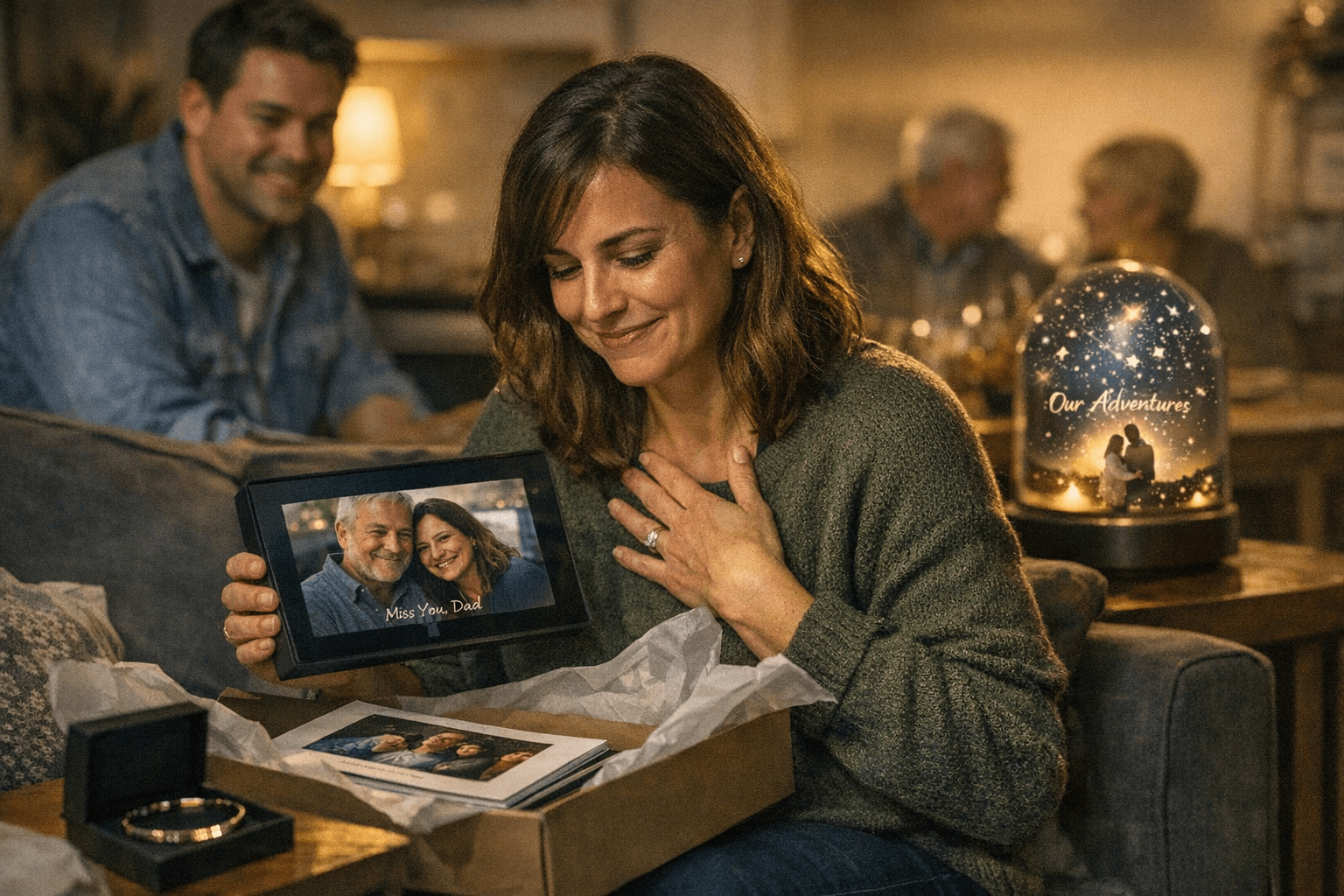
The smartest personalized gifts now do more than add a name. They turn a shared memory, a habit, or an inside joke into something the recipient can hold onto, and a University of Bath-led study suggests that emotional specificity is exactly what makes the category so powerful.
Why personalization feels different now
The old idea of personalization was simple: initials, a date, a monogram. That still has appeal, but the stronger current is story-driven gifting, where the best present says something recognizably true about the person receiving it. In practice, that means the gift reflects style, routine, and memory, not just identity on paper.
That shift has both emotional and commercial backing. Researchers working across the United Kingdom, France and Switzerland, including Diletta Acuti, Marta Pizzetti, Isabella Soscia and Michael Gibbert, found that personalized gifts can trigger “vicarious pride,” a response in which recipients experience a mirrored version of the giver’s pride. Across four experiments, including two involving real-life pairs of friends, the team found that this kind of gift can deepen appreciation and lift self-esteem.
What the study actually shows
The clearest insight from the Bath research is that customization works best when it is visible and legible to the person receiving it. In one experiment with 74 participants gifting clothes to a friend, recipients of personalized gifts changed fewer outfit items, a sign that they valued what they got more highly. In another experiment, 134 participants watched T-shirt selection videos, and the personalized-gift version produced higher appreciation even when time and effort were not the main variables.
That matters because it changes how you should think about “thoughtful.” Effort alone is not the point. The study suggests that the recipient needs to understand that something was chosen with them in mind, and the researchers said that simply communicating that a gift was customized can improve the experience even further. In other words, the meaning is not hidden in the object alone. It is also in the explanation that comes with it.
Why the category is becoming mainstream
Personalized gifts are no longer a niche corner of the market reserved for weddings and baby showers. Etsy said 40% of survey respondents were likely to give or receive a personalized or handmade gift during the holidays, which is close to half and a strong sign that shoppers now expect some level of customization in the gift they give or receive.
The business numbers point in the same direction. Business Wire reported ResearchAndMarkets.com data showing the U.S. personalized gifting market was valued at USD 9.69 billion in 2024 and is projected to reach USD 14.56 billion by 2030, with a CAGR of 7.02%. A separate global forecast pegs the market at about USD 31.37 billion in 2025 and expects it to reach USD 57.65 billion by 2034. That is not the profile of a novelty category. It is what happens when emotional value becomes a dependable retail habit.
How to choose a gift that tells a story
The most useful filter is not “What can I personalize?” but “What story do I want this to tell?” A good personalized gift usually falls into one of three lanes: identity, memory, or daily life. The best ones combine all three.
- Identity gifts are for people whose style is already unmistakable. Think of the friend who has a point of view about color, the sibling with a fixed aesthetic, or the partner whose taste never wavers. A good identity gift feels like recognition, because it matches the person’s own standards rather than imposing yours on them.
- Memory gifts are the most emotionally direct. They work when you want the object to carry a specific shared moment, from a trip to a milestone dinner to an old photograph that still makes both of you laugh. These gifts succeed when the reference is precise enough that the recipient immediately knows why it matters.
- Daily-life gifts are often the most luxurious in practice because they move with the recipient. A personalized item used every day, whether at home, in transit, or at work, keeps the gesture alive long after the occasion passes. That repeat contact is what makes the gift feel expensive in spirit, even when it is not.
The most important rule is restraint. Personalization is strongest when it sharpens the gift rather than overwhelms it. One meaningful detail is usually better than several competing ones, because the point is to make the object feel inevitable, not crowded.
What makes these gifts emotionally durable
The Bath study helps explain why some personalized gifts stay in use and others do not. The gifts that lasted emotionally were the ones that gave the recipient a reason to feel seen. That is a more durable form of affection than novelty, because it does not depend on surprise alone.
This is also where handcrafted objects and tech-enhanced custom options now overlap. The handcrafted side brings texture, human scale and imperfection in the best sense. The tech side makes it easier to tailor details with accuracy, speed and range. Put together, they make personalization less like a decorative add-on and more like a design language built around the recipient’s life.
A strong personalized gift should answer a simple question before it is even opened: why this person, and why now? When that answer is clear, the present feels less like merchandise and more like proof that someone was paying attention. That is why personalized gifting in 2026 is not just bigger. It is better at turning attention into emotion, and emotion into something worth keeping.
This article was produced by Prism’s automated news system from verified source data, official records, and press releases, then run through automated quality and moderation checks before publishing. The system is built and supervised by the people who set the standards it runs under. Read our full AI policy.
Did this article answer your question?