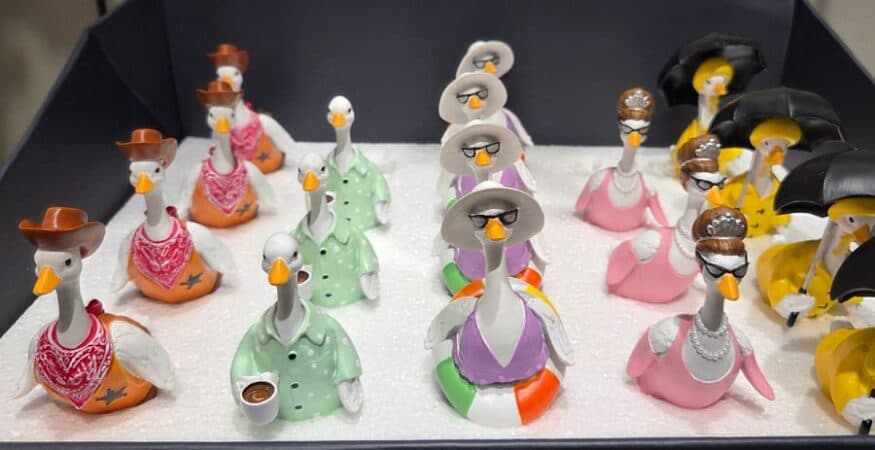
Personalized gifts market seen reaching $41.3 billion by 2035
Personalized gifting is on track to hit $41.3 billion by 2035, driven by online customization, holiday demand and buyers who want gifts that feel specific.

Personalized gifts are moving from a sentimental add-on to a defined retail category, with the global market estimated at $34.0 billion in 2026 and projected to reach $41.3 billion by 2035. What shoppers will notice first is not just more monograms and engraved initials, but a cleaner split in the marketplace: photo gifts on one side, non-photo gifts on the other, with both increasingly sold through online and offline channels.
That segmentation matters because personalization now sits inside a much larger e-commerce habit. The U.S. Census Bureau estimated U.S. retail e-commerce sales at $326.7 billion in the first quarter of 2026, up 9.8% from a year earlier and equal to 16.9% of total retail sales. Personalized gifts fit neatly into that flow. They rely on customization tools, visual previews and simple checkout paths, which makes digital retail a natural home for everything from photo books and framed prints to engraved jewelry, custom drinkware and made-to-order home goods.
The demand is also being pulled forward by holiday spending. The National Retail Federation said consumers planned to spend an average of $890.49 per person on holiday gifts, food, decorations and other seasonal items in 2025. Gallup found Americans expected to spend an average of $1,014 on Christmas or other holiday gifts in 2024. Even as Deloitte’s 2024 holiday survey showed shoppers becoming more value-seeking and more interested in experiences over gifts, that does not weaken personalized giving. It helps explain why the category keeps growing: buyers still want to spend, but they want the purchase to feel considered, specific and difficult to mistake for something picked up in a hurry.
That is also where Etsy remains instructive. Its seller resources track seasonal trends and search behavior, a sign that customization is not a novelty but a live commercial engine, especially in marketplace settings where shoppers come looking for something they cannot easily find elsewhere. The wider gifts retailing market now explicitly segments personalized gifts as a category in its own right, which suggests the next phase of growth will be less about one-off customization and more about sharper merchandising around occasions, recipients and price points.
For shoppers, that likely means more options that feel tailored without feeling precious: more photo gifts for family milestones, more non-photo pieces for weddings, birthdays and corporate thank-yous, and more brands competing on how thoughtfully they can make a gift feel chosen. In a crowded gift market, that kind of specificity is exactly what keeps personalization growing through 2035.
This article was produced by Prism’s automated news system from verified source data, official records, and press releases, then run through automated quality and moderation checks before publishing. The system is built and supervised by the people who set the standards it runs under. Read our full AI policy.
Did this article answer your question?