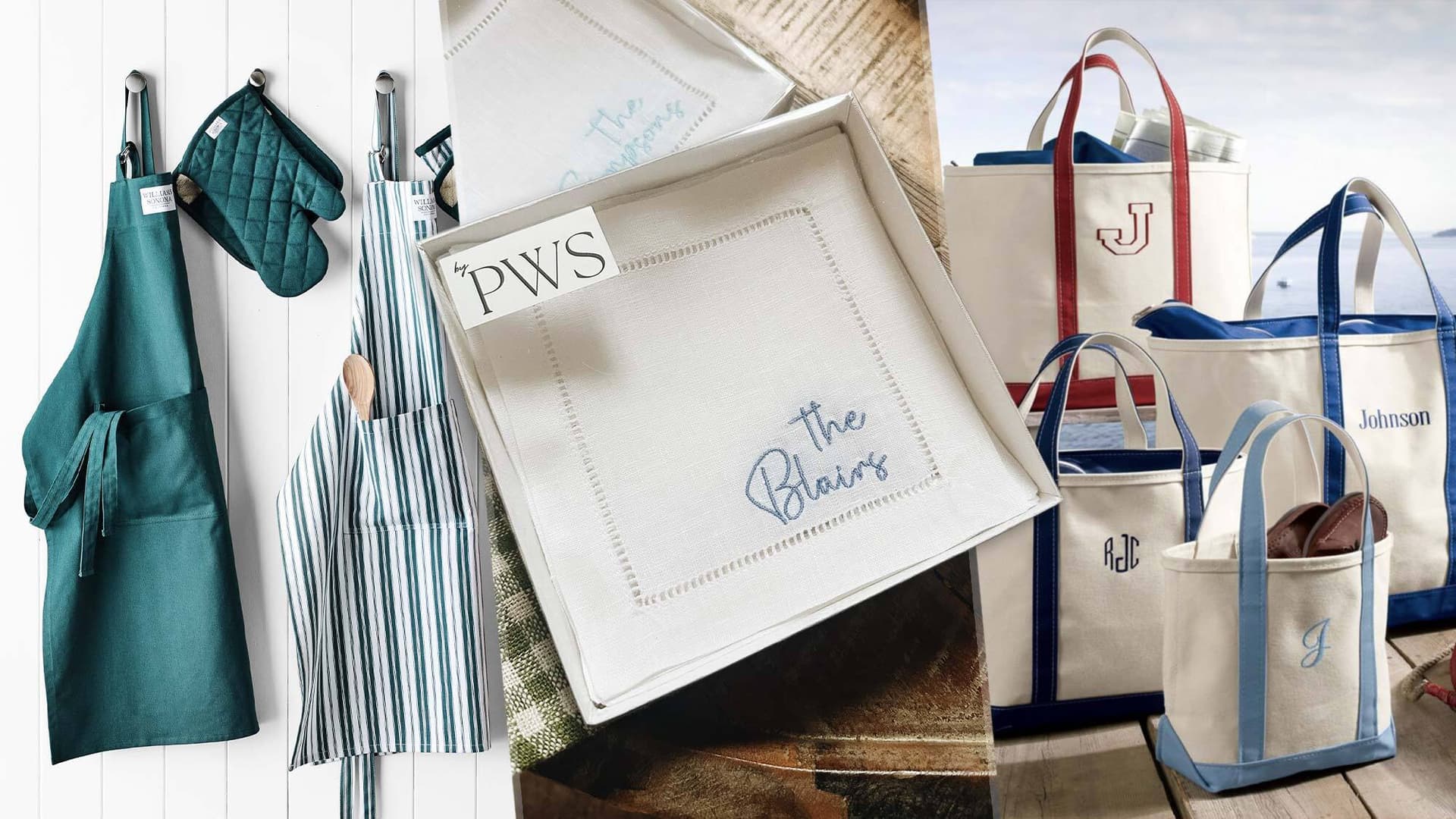
Shoppers want some personalization, but brands can take it too far
Nine in 10 shoppers stay loyal to brands that personalize well, but 42% call it invasive when brands seem to know things they never told them.
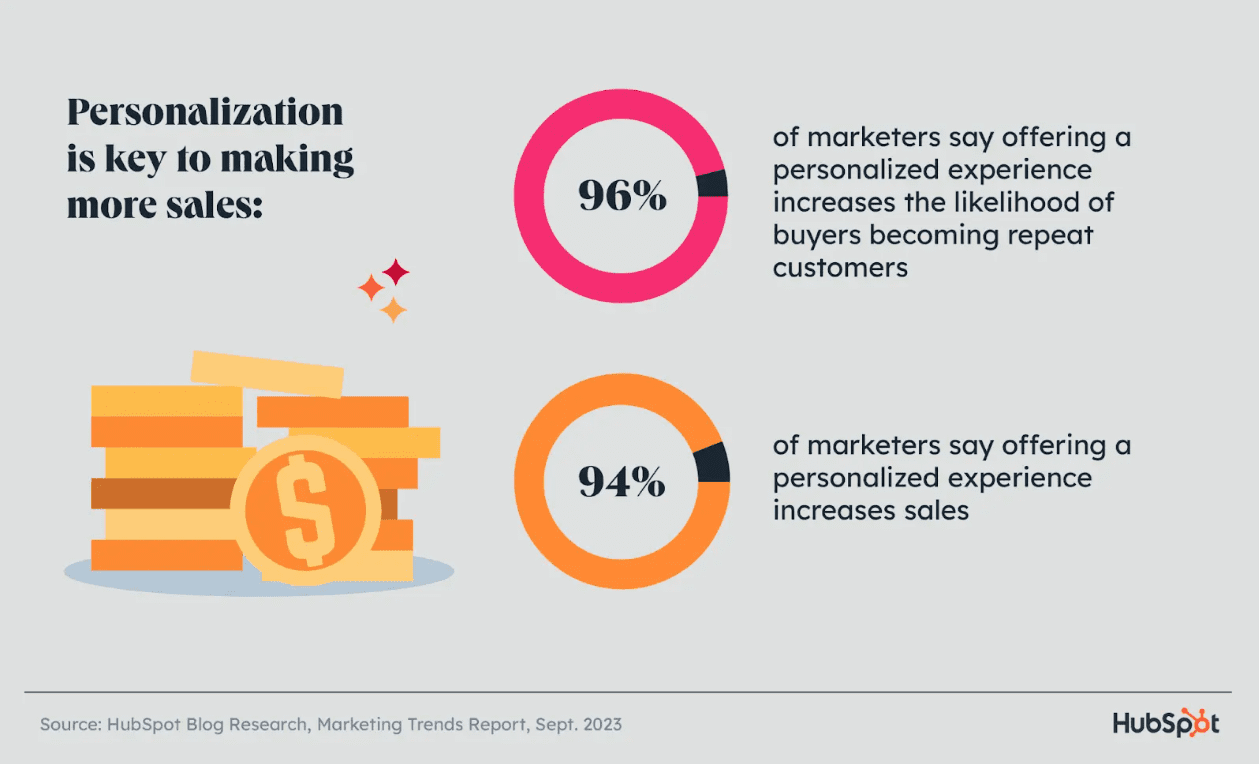
The line between a gift that feels thoughtfully chosen and one that feels surveilled is thinner than most brands realize. A survey of 1,050 shoppers across the United States, United Kingdom, and Australia, conducted by Attentive, found that 93% of consumers are likely to keep shopping with brands that deliver personalized experiences. The catch: nearly half are watching closely for signs that a brand knows too much.
Exactly 42% of respondents said personalization feels uncomfortable or invasive when a brand implies knowledge the shopper never actually shared. The distinction matters enormously in the gifting category, where monogramming services, engraved-message platforms, and AI-driven recommendation engines routinely pull behavioral data to make suggestions feel prescient. When that inference is too visible, the experience curdles from delight into something closer to surveillance.
What shoppers welcomed, by contrast, was personalization grounded in direct signals: back-in-stock alerts for items they had already viewed, product recommendations derived from past purchases, and suggestions tied to preferences they had explicitly provided. The common thread is consent. Shoppers responded positively to personalization that reflected what they had already chosen to communicate, and they recoiled from personalization that appeared to reconstruct private details from inference alone.
The survey also surfaced a tension that gifting brands should study carefully: 71% of respondents reported actively taking steps to protect their personal data, yet 69% of those same privacy-conscious shoppers said they still wanted brands to learn from their shopping habits over time. Shoppers are not rejecting personalization outright; they are demanding clarity about how it works.
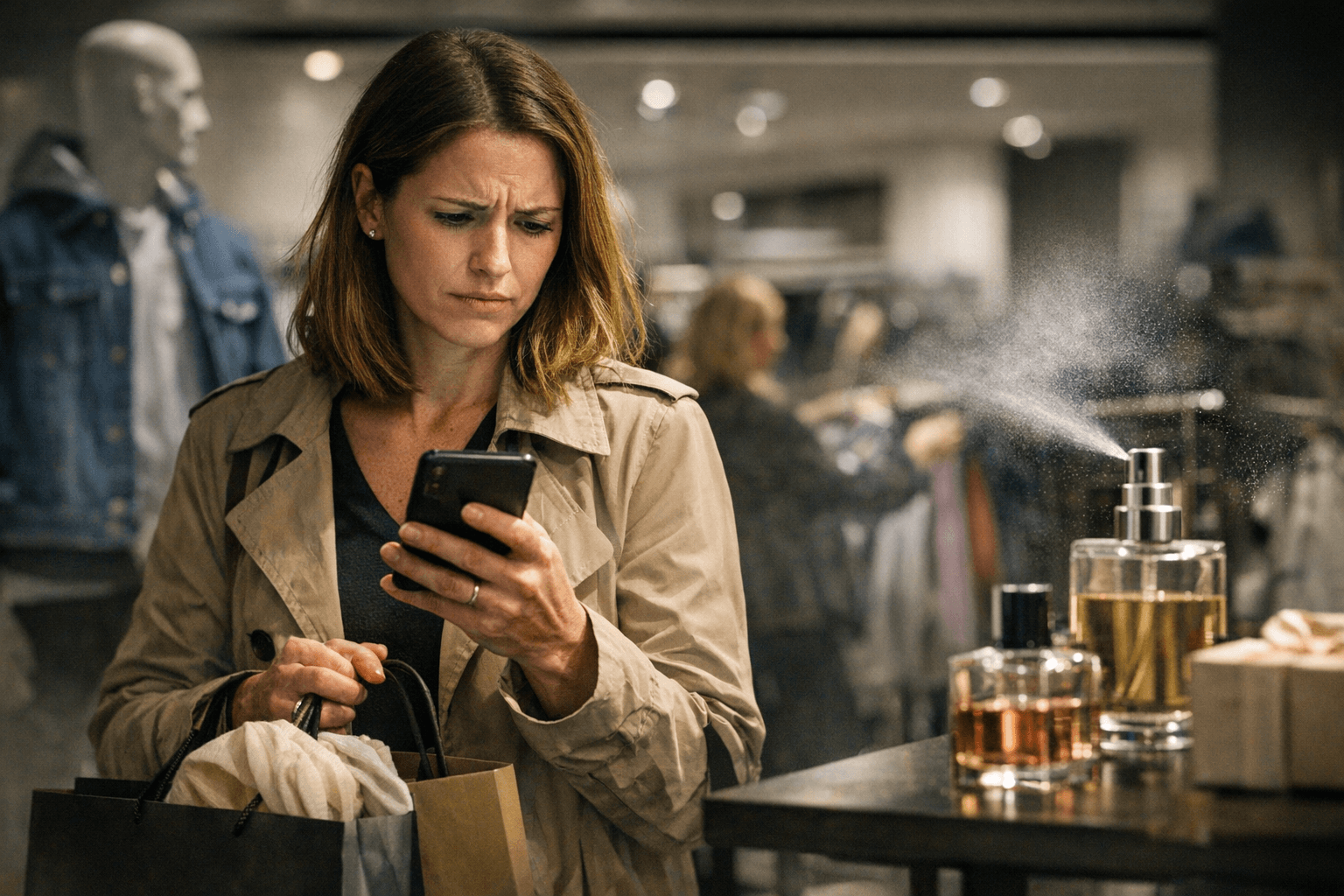
For brands in the personalized gifts space, the practical implications are specific. Timely occasion reminders tied to dates a customer has already shared, such as anniversaries or birthdays entered at checkout, register as helpful. Recommendations surfaced from a previous monogram order or a stated recipient preference feel relevant rather than intrusive. What triggers backlash is the opposite: a message referencing browsing behavior the shopper does not remember sharing, or an SMS frequency that feels less like service and more like monitoring.
Attentive's findings point to three mechanisms that rebuild trust when personalization has overstepped: transparent data practices, accessible user controls, and clear opt-in flows that give shoppers agency before data is used rather than after complaints arrive. A visible preference center, where customers can adjust message types and frequency, functions as both a trust signal and a practical safety valve.
As AI-assisted gifting tools become standard rather than exceptional, the stakes are only rising. Personalization that shoppers cannot explain to themselves will cost brands the loyalty that personalization was supposed to earn in the first place.
Know something we missed? Have a correction or additional information?
Submit a Tip