Shutterfly expands custom photo gifts with AI tools and more options
Shutterfly is strongest when one site must handle photo books, cards, and home decor; AI tools speed summer gifts, but mixed reviews and service rules reward careful shoppers.

Shutterfly makes the most sense when you want one personalized-photo hub that can carry a gift from screen to table, wall, or mailbox. Its sweet spot is practical gifting, with custom photo books, prints, cards, invitations, gifts, wall art, calendars, and more all under one roof. For weddings, graduations, Father’s Day follow-up gifts, and family reunions, that breadth matters as much as the final object.
Why Shutterfly works as a single gifting ecosystem
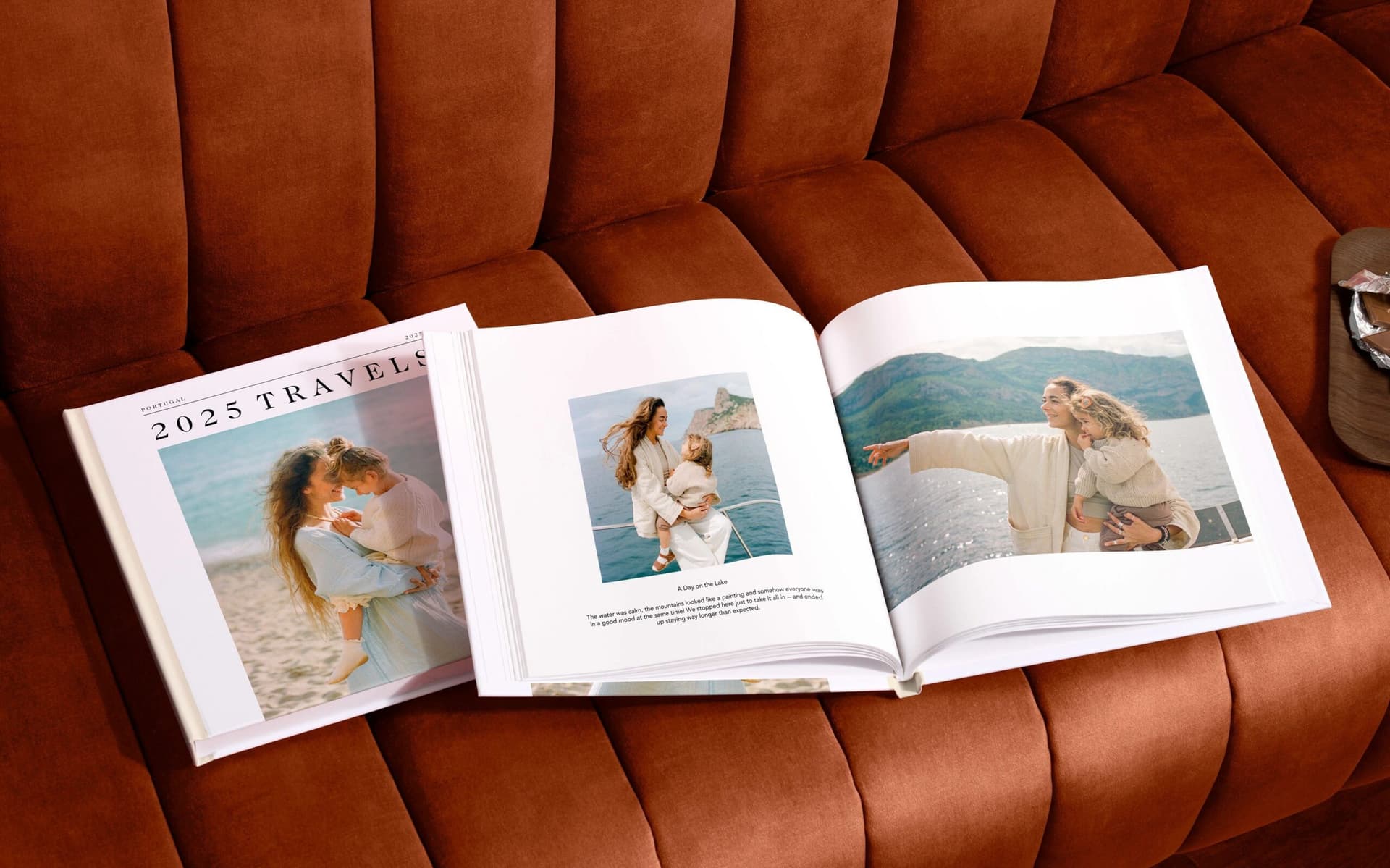
The real advantage here is range. Shutterfly’s photo-book pages now emphasize multiple sizes and styles, including hardcover, softcover, layflat, and flush-mount options, so you are not forced into one format just because the photos came from one event. The site also says customers can build books with themes, layouts, and text, and upload from cloud-photo sources, which makes it easier to turn a camera roll into something giftable without starting from scratch.
Speed is part of the appeal too. Shutterfly says its AI-powered tools, including Auto-Fill and Magic Writer, can arrange photos and captions into a finished photo book in minutes. That is the kind of shortcut that actually helps in real life, especially when you are pulling together a last-minute graduation present or a post-wedding album while the memories are still fresh.
The scale of the platform also explains why it continues to draw attention. Shutterfly launched in 1999 as an all-digital Internet photo printing service, with Jim Clark, the founder of Silicon Graphics and Netscape Communications, as chair. Apollo Global Management announced an all-cash acquisition valued at $2.7 billion in June 2019, and Apollo later said the Snapfish acquisition and combination with Shutterfly closed on January 8, 2020. In other words, this is not a niche craft shop, but a large-scale printing business that has been reshaped and kept relevant for mass-market personalization.
Where the customization depth is worth paying for
Shutterfly is most compelling when the gift itself is the keepsake. A wedding photo book, especially in a layflat or flush-mount format, justifies the deeper customization because the spread matters as much as the images. The same is true for anniversary gifts or a family reunion book, where captions, layouts, and book design help turn a stack of photos into a narrative rather than a digital archive.
Graduations are another strong fit. A hardcover or softcover book filled with dorm move-in shots, ceremony portraits, and messages from family is more personal than a single framed print, and Shutterfly’s templates make it easy to build that kind of gift without a design background. For family reunions, cards and photo books work especially well because they let you keep one foot in the event itself and the other in the memory you want to preserve afterward.
Father’s Day follow-up gifting is where the platform’s speed starts to matter. Auto-Fill and Magic Writer are well suited to turning candid phone photos into a finished book, which makes them useful when the best pictures are scattered across devices instead of neatly edited in one place. If the recipient values sentiment more than spectacle, a well-tuned photo book can feel far more luxurious than a pricier but less personal object.
What Shutterfly does best, and what it does not
The platform is strongest for shoppers who want a one-stop site for recurring family gifts and don’t mind spending a little time choosing templates, styles, and layouts. One review counted 219 photo-book templates, which is enough variety to suit a wedding album, a baby book, or a reunion recap without making every project look the same. That variety is a real asset when you need a gift to feel specific to the moment.
The tradeoff is consistency. Third-party sentiment is mixed, with Trustpilot showing more than 30,000 customer reviews and a TrustScore described as Great, roughly around four stars, while the Better Business Bureau maintains active complaint and review pages. Shutterfly’s own support pages also show that order satisfaction is handled through Customer Care, not a simple blanket return process, which makes the ordering stage important.
There is a 30-minute cancellation window for orders, and phone support for photo-book and product-creation issues is available on weekdays and weekends, with 24/7 chat support noted on the support homepage. That is helpful, but it also means you should review every spelling choice, crop, and caption before checking out. Some review coverage also cites a 60-day refund policy, yet Shutterfly’s own help flow emphasizes case-by-case customer care, so the safest approach is to treat the order as final once that short cancellation window closes.
Who should use it, and who should skip it
Use Shutterfly if you want a personalized gift that can live in more than one category, especially when your images are already on your phone or in the cloud. It is a smart fit for families, wedding parties, graduates, and anyone who wants cards, books, and decor from the same platform without learning a new design system for each gift. The AI tools make it especially practical when you need a polished result fast.
Skip it if your top priority is flawless, boutique-level consistency and you have no patience for mixed customer-service reports. The platform is better suited to gifts that gain value from personalization depth than to single, ultra-precise objects where finish quality is everything. Used with care, Shutterfly is less a generic printing site than a practical workshop for turning everyday photos into gifts people keep.
This article was produced by Prism’s automated news system from verified source data, official records, and press releases, then run through automated quality and moderation checks before publishing. The system is built and supervised by the people who set the standards it runs under. Read our full AI policy.
Did this article answer your question?