Stanley, Yeti and Etsy lead the rise of personalized gifts
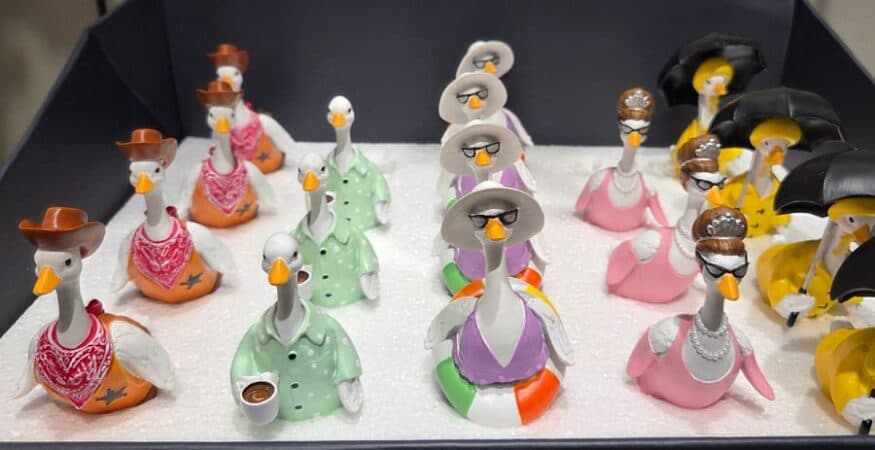
Personalized gifts are no longer a niche gesture. Stanley, Yeti, Mark & Graham and Etsy now make custom presents feel easier to order and harder to forget.
The new language of gifting is personalization
A good personalized gift does something a standard present rarely can: it makes the recipient feel singled out before they even open the box. That is why retailers built around monograms, engraving and custom requests are having such a moment, especially among shoppers who want the gift to feel deliberate rather than expensive for its own sake.
The smartest part of this shift is that the strongest options are not all the same. Stanley is built for easy drinkware customization, Yeti leans into rugged gear with an official custom program, Mark & Graham brings a polished monogramming sensibility, and Etsy still owns the handmade one-off. The right choice depends less on the category than on the tone you want to strike.
Stanley is the quickest route to a gift that feels personal
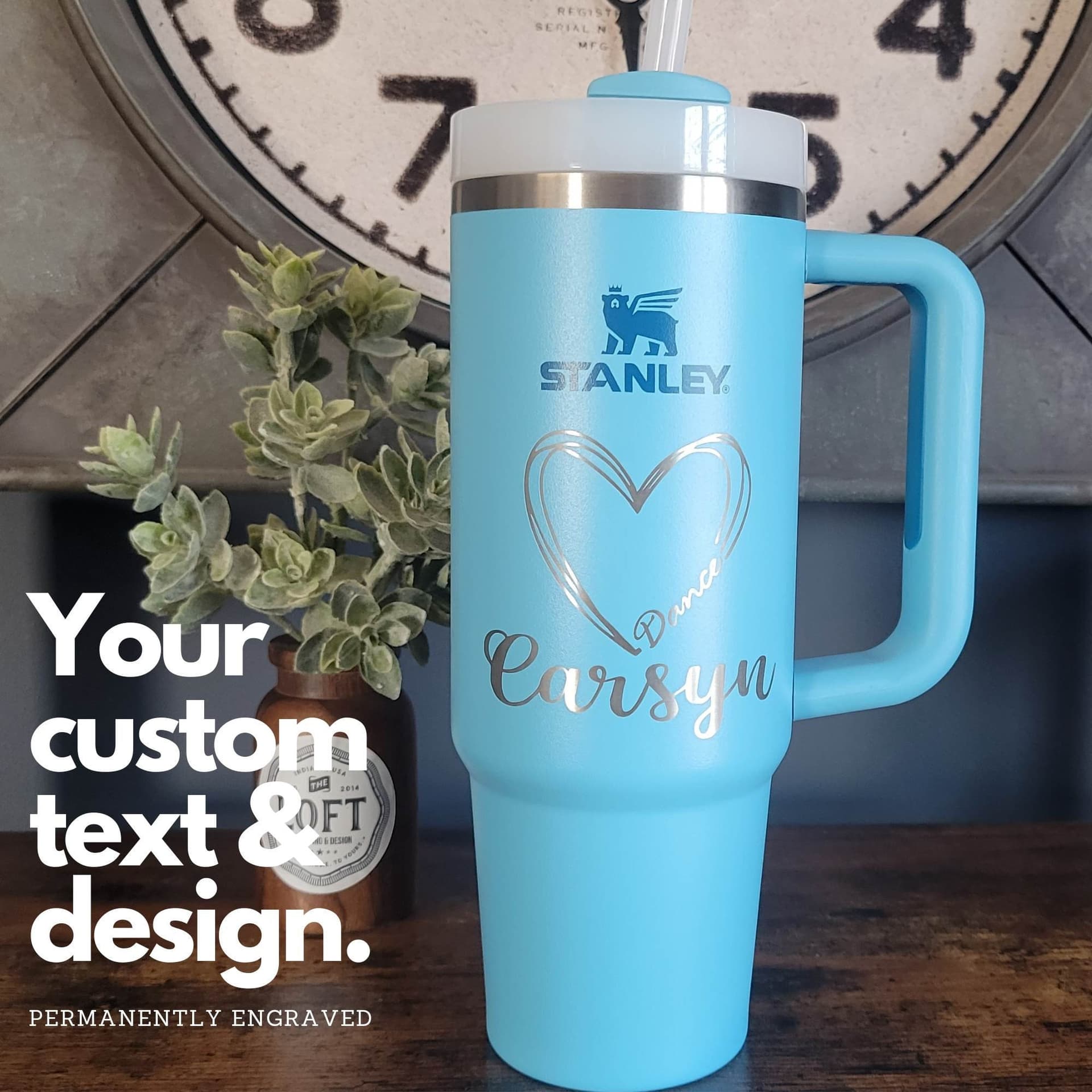
Stanley’s Create Collection makes the most sense when you want a customized gift that is familiar, practical and fast to understand. The brand says shoppers can personalize water bottles, tumblers and more, which is exactly why it works so well for birthdays, team gifts and low-drama holiday presents. You are not asking the recipient to buy into an obscure object; you are taking something they already use every day and making it theirs.
The brand also has the kind of heritage that helps a customized gift feel more substantial. Stanley traces its roots to 1913, when inventor William Stanley Jr. founded it. That history gives the bottle-or-tumbler gift a sturdier emotional frame than a trend-driven add-on, and the current promotion on Stanley’s site shows how aggressively the company is using customization as part of the selling point: free customization was set to end June 4 at 11:59 p.m. PT.
If you are shopping with a deadline, Stanley is one of the most straightforward places to start. It is the retailer for a gift that needs to look considered without requiring too much decoding from the buyer or the person receiving it.
Yeti works when you want customization to feel premium and durable
Yeti’s official customization service is the stronger pick when the gift should feel more rugged, more utility-driven and a little more substantial in hand. The company says the service covers the Rambler drinkware family, and it extends beyond cups and bottles to hard coolers and dog bowls. That range makes Yeti especially useful for households, outdoorsy recipients and people who appreciate gear that feels built to last rather than merely decorated.
The brand’s backstory reinforces that impression. Yeti says it was founded in 2006 by Roy and Ryan Seiders, and the company has spent years building a reputation around performance-first products. In customization terms, that means the gift does not read as novelty. A monogrammed Rambler or customized cooler still feels like a working object, which is exactly what makes it elegant.
For buyers deciding between Stanley and Yeti, the difference is tone. Stanley is the easier, more universally friendly personalization play. Yeti is the one that feels more substantial, more outdoors-capable and, in a practical sense, more premium because the object itself already carries more weight.
Mark & Graham is the answer for monograms that look polished
Mark & Graham is the brand to watch when the brief is refined, structured and a little more dressed up. Founded in 2012 as a direct-to-consumer lifestyle brand, it is built around personalized gifts with a large range of monograms and type treatments. Williams-Sonoma says the brand launched with more than 50 options, while some of its pages advertise over 100 monograms and type treatments, which gives shoppers a wide enough range to move from classic to more expressive without leaving the brand’s aesthetic.
That breadth matters because monogramming is not just about adding initials. It is about controlling the tone of the gift. Mark & Graham is especially strong when you want something that feels polished enough for a colleague, a client, a wedding party or a milestone birthday where the presentation matters as much as the object. It has the clean, orderly quality that makes personalized gifting look intentional rather than crafty.
This is also where corporate-style gifting gets easier. If you need a gift that looks restrained, well chosen and visually consistent across multiple recipients, Mark & Graham is the cleanest fit in the group. It is the option for when you want personalization to look edited.
Etsy is still the best place for handmade one-offs and custom requests
Etsy occupies a different part of the personalized-gifts universe. It is not trying to funnel every shopper into the same product family. Instead, it positions itself as a marketplace for handmade, vintage, custom and unique gifts, which makes it the most flexible choice when the gift needs a little more personality than a stock item can provide.
Its personalization process is also unusually shopper-friendly. Etsy says buyers can request personalization directly on eligible listings, and sellers can turn custom requests into custom listings. That matters because it lowers the barrier between an idea and a finished object. If you know exactly what you want, or if you want to collaborate with a maker on something specific, Etsy is often the best fit.
The scale of demand tells the story. Etsy says more than 25 percent of its sales in November and December included a request to personalize an item. That is not a side feature anymore. It is a central part of how people are buying gifts, especially in the holiday stretch when shoppers are looking for something that feels made for one person instead of many.
Why personalization is becoming the default
This category is growing because shoppers are trying to make their spending feel more meaningful. The National Retail Federation said consumers planned to spend $890.49 per person on holiday gifts, food, decorations and other seasonal items in 2025, and research firms including Accenture, Deloitte and KPMG have consistently pointed to value, early shopping and more personalized experiences as key priorities. The result is a market where customization is no longer a decorative extra. It is part of the decision.
That explains why personalized gifts now span such different styles, from Stanley’s quick-hit drinkware to Yeti’s sturdier gear, from Mark & Graham’s polished monograms to Etsy’s handmade custom orders. The category keeps expanding because it solves a very human problem: how to give something practical that still feels unmistakably chosen.
This article was produced by Prism’s automated news system from verified source data, official records, and press releases, then run through automated quality and moderation checks before publishing. The system is built and supervised by the people who set the standards it runs under. Read our full AI policy.
Did this article answer your question?