Taste of Home says dads love personalized gifts with practical gear
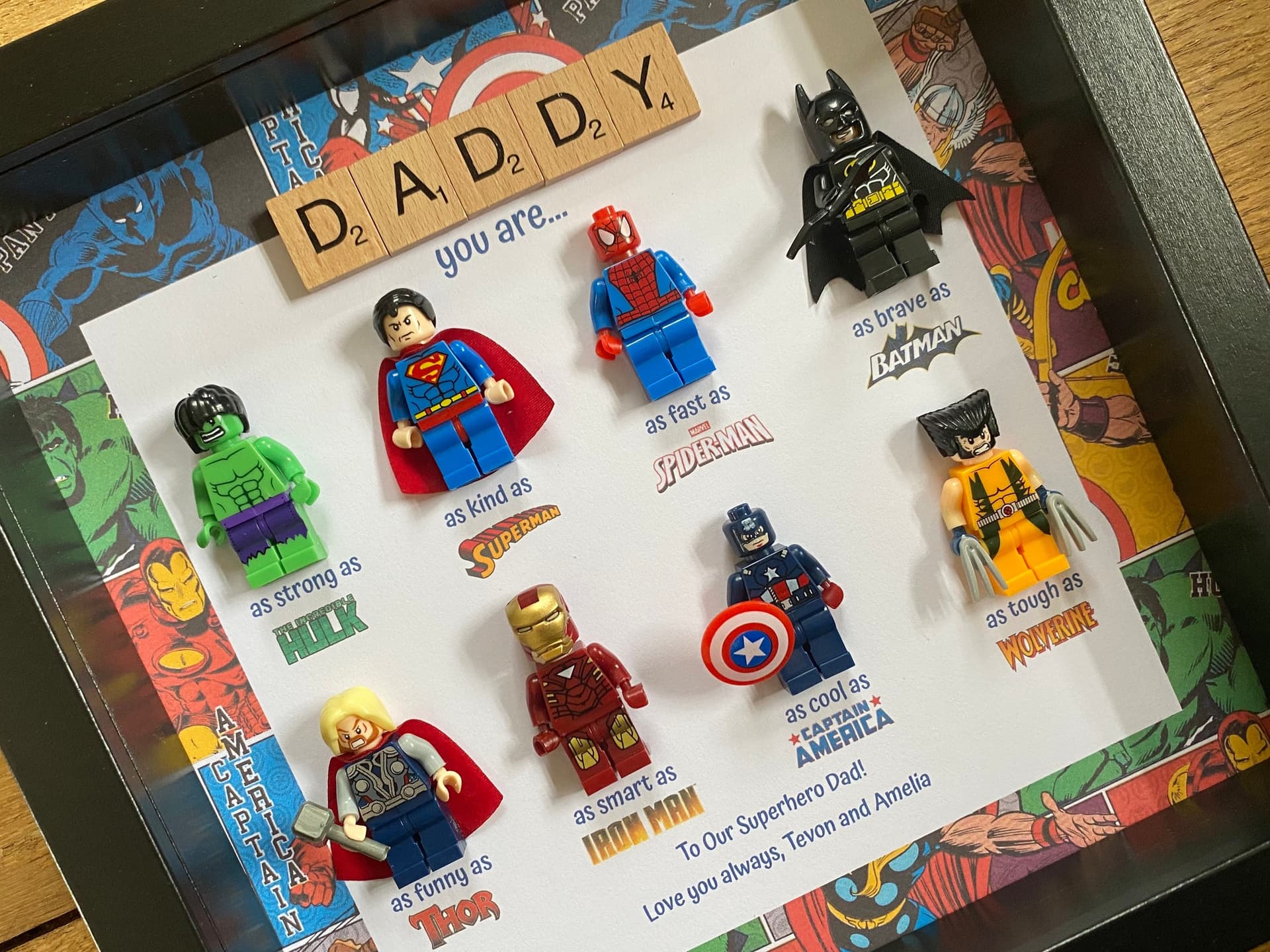
Personalized gifts work best when they earn daily use, not shelf space. Taste of Home’s tested Father’s Day roundup backs the practical, personalized buy.
The smartest Father’s Day gifts solve a problem first
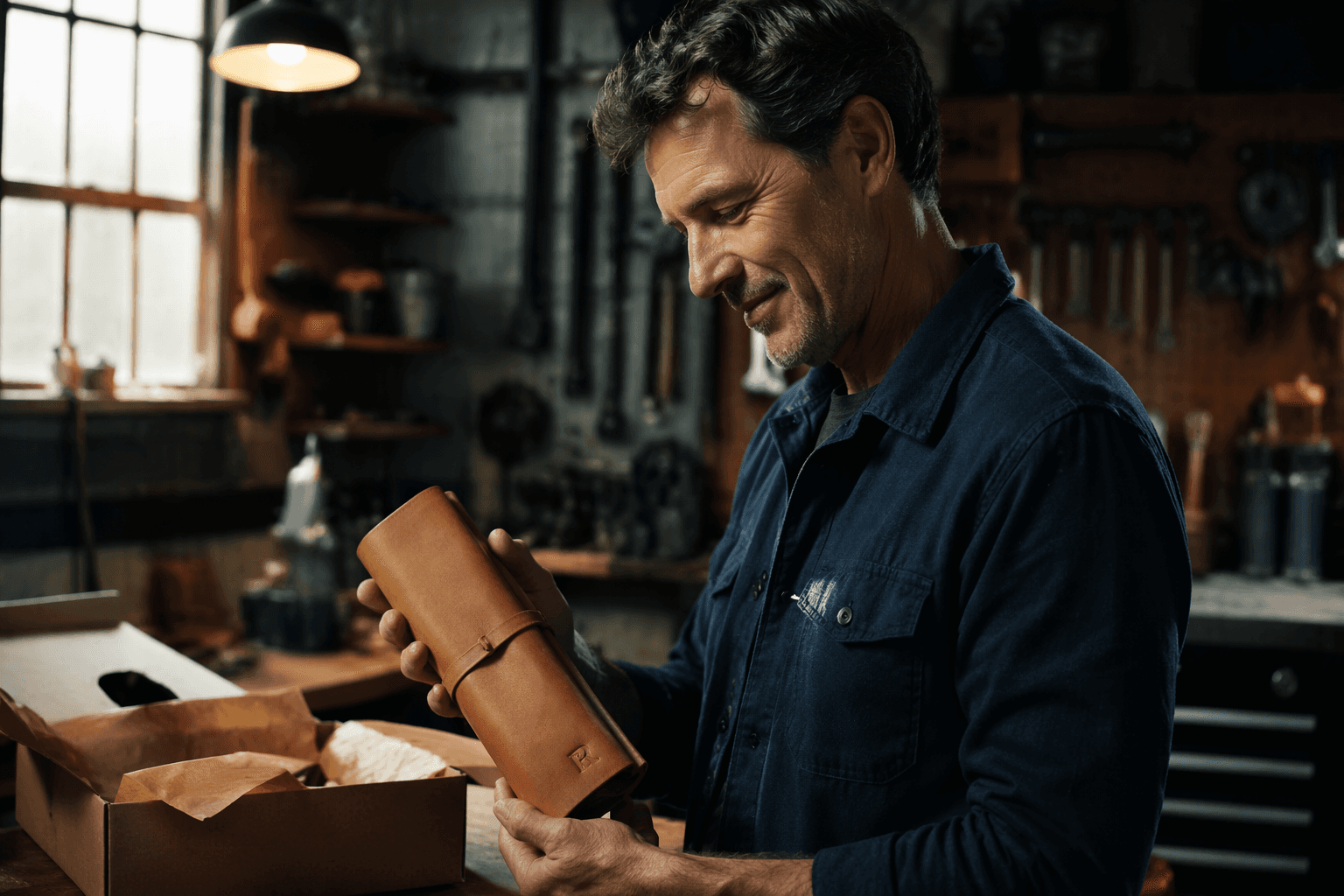
The best personalized gift for Dad usually is not the one with the biggest monogram. It is the one he will actually use, the one that makes a wallet, grill session, commute, or workday easier, and only then turns sentimental. That is the quiet logic behind Taste of Home’s editor-tested Father’s Day roundup, which was updated on May 20, 2026 after its team tested dozens of products to find the strongest options for every kind of dad.

That matters this year because Father’s Day lands on June 21, 2026, the third Sunday in June in the United States. The holiday has a long arc, too, from Sonora Smart Dodd’s push to honor her widowed Civil War veteran father, William Smart, to the first statewide Father’s Day celebration in Spokane, Washington, on June 19, 1910, and eventually to federal recognition in 1972. The tradition has deep roots, but the buying behavior around it is very current: dads are being celebrated with gifts that feel personal because they fit real life.
Why personalization keeps winning
Consumer data makes the case plainly. The National Retail Federation, which has tracked Father’s Day spending and celebration trends with Prosper Insights & Analytics since 2003, says spending is expected to hit a record $24 billion. Nearly half of consumers, 48%, plan to buy a gift for a father or stepfather. That is a major signal, and it explains why the smartest gifts keep drifting toward customization that improves usefulness instead of adding clutter.
Statista’s data points in the same direction. In 2024, around half of Gen Z and millennial consumers in the United States said they were more likely to buy or give a personalized gift. That younger-shopper preference helps explain the rise of gifts that blend function with feeling: gear with a name, a date, initials, a favorite team, or a family detail, but only if the object itself is genuinely good. Personalization is not the whole gift. It is the finish.
What dads actually respond to
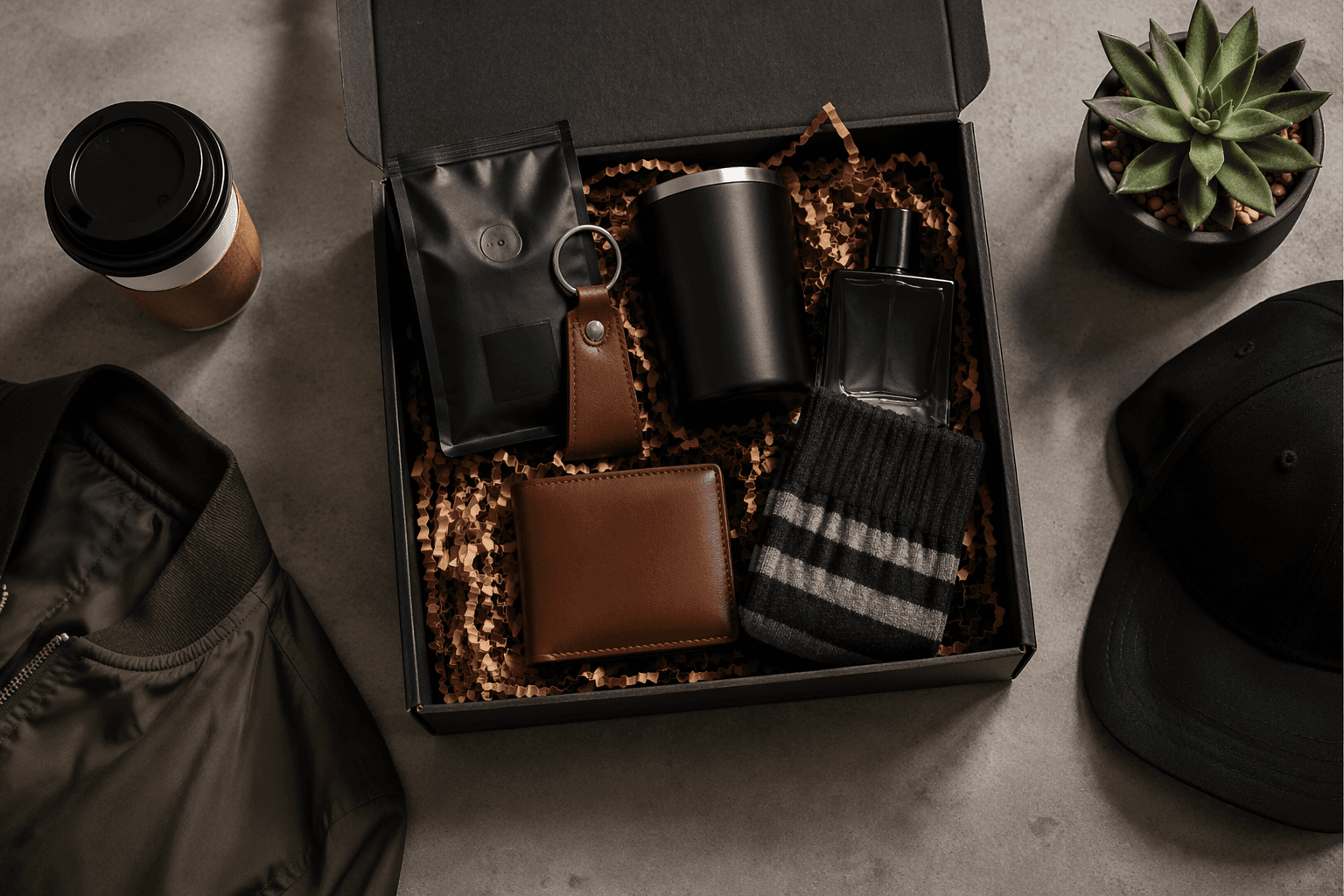
Taste of Home’s takeaway is refreshingly direct: dads respond best to personalized presents paired with practical gear. That means a customized item has to clear a simple test. Would he still want it if his name were not on it? If the answer is yes, you are in the right territory.
The categories that tend to work best are the ones already baked into Father’s Day spending patterns. Statista notes that Father’s Day 2025 spending plans included substantial outlays on clothing and electronics, which tells you something important: people already see this holiday as a time to buy useful things. Personalization makes those useful gifts feel considered rather than generic.
- Choose the object first, then personalize it.
- Make the customization legible but not loud.
- Favor items that will live in plain sight or get used every week.
- Skip anything that only works as a keepsake.
A good rule of thumb:
That approach is why personalized gear beats decorative trinkets almost every time. A well-chosen item can sit on a desk, ride in a car, hang in a mudroom, or live in a kitchen and still carry emotional weight.
The gift formula that works: practical first, sentimental second
The most successful personalized gifts do two jobs at once. They make a routine easier and make the giver look thoughtful. That is a rare combination, and it is exactly why these gifts keep outperforming overly sentimental buys that never leave a drawer.
- Morning coffee, where a customized mug or insulated tumbler actually gets used.
- Weeknight grilling, where personalized tools or gear feel both useful and celebratory.
- Commutes and errands, where an engraved carry item can be practical without feeling flashy.
- Workspaces, where a name or initials on a desk accessory can feel personal without becoming precious.
Think in terms of everyday moments:
The key is restraint. The more functional the object, the more room you have for customization. When the base item is already excellent, the personalization becomes a bonus rather than a gimmick.
Why this moment is different from old-school gift guides
A lot of Father’s Day guides still lean hard on sentiment, but the better editorial read is more practical than that. The market is telling us that people are willing to spend, and the style of spending has changed. Nearly half of consumers are planning to buy for a father or stepfather, the holiday remains one of retail’s biggest recurring occasions, and the gift preferences of younger shoppers suggest customization is no longer a niche flourish. It is part of the expectation.
That is the real shift Taste of Home is tapping into with its tested roundup. The promise is not “look how meaningful this is.” It is “this has been handled, tried, and sorted into what actually works.” That distinction matters for buyers who are tired of gift guides that confuse personalization with practicality. Dads do not need another object that says Dad in script lettering and does nothing else.
How to shop with more confidence
- Start with what he reaches for most often.
- Look for durability before decoration.
- Make the personalization subtle enough to age well.
- Aim for useful gear that can survive real wear.
If you want the gift to land, use the same filter editorial teams use when they test products:
That logic is especially strong in a year when Father’s Day spending is expected to hit a record $24 billion. Big holidays invite big waste, but they also reward sharp editing. The best personalized gift is not the loudest one in the cart. It is the one that feels tailored because it is tied to an actual habit.
Father’s Day has traveled a long way from a 1910 celebration in Spokane to a national spending event with billions on the line. The best gifts have changed with it. Personalized gear works now because it respects both sides of the holiday: the emotional impulse to say thank you and the practical truth that most dads would rather use a good thing than store a sweet one.
This article was produced by Prism’s automated news system from verified source data, official records, and press releases, then run through automated quality and moderation checks before publishing. The system is built and supervised by the people who set the standards it runs under. Read our full AI policy.
Know something we missed? Have a correction or additional information?
Submit a Tip