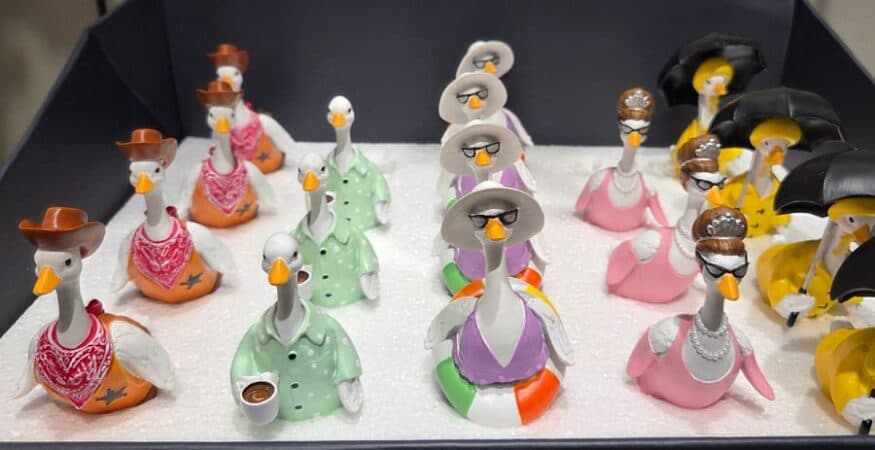
TEN March 2026 Issue Highlights Engraving, Personalization, and Gifting Trends
TEN Magazine's March 2026 issue digs into laser vs. rotary engraving, substrate selection, and how suppliers are scaling personalization without losing premium quality.
Personalization is no longer a niche add-on in the gift industry; it has become the baseline expectation for anyone buying something that is meant to last. TEN Magazine, the trade title dedicated to trophies, awards, engraving, and personalized gifts, makes that case thoroughly in its March 2026 issue. The edition is a dense, technically grounded look at where the sector is heading, written for the merchandisers, imprint suppliers, and gift brands who are actually making production decisions, not browsing wish lists.
Laser vs. Rotary: Choosing the Right Tool for the Job
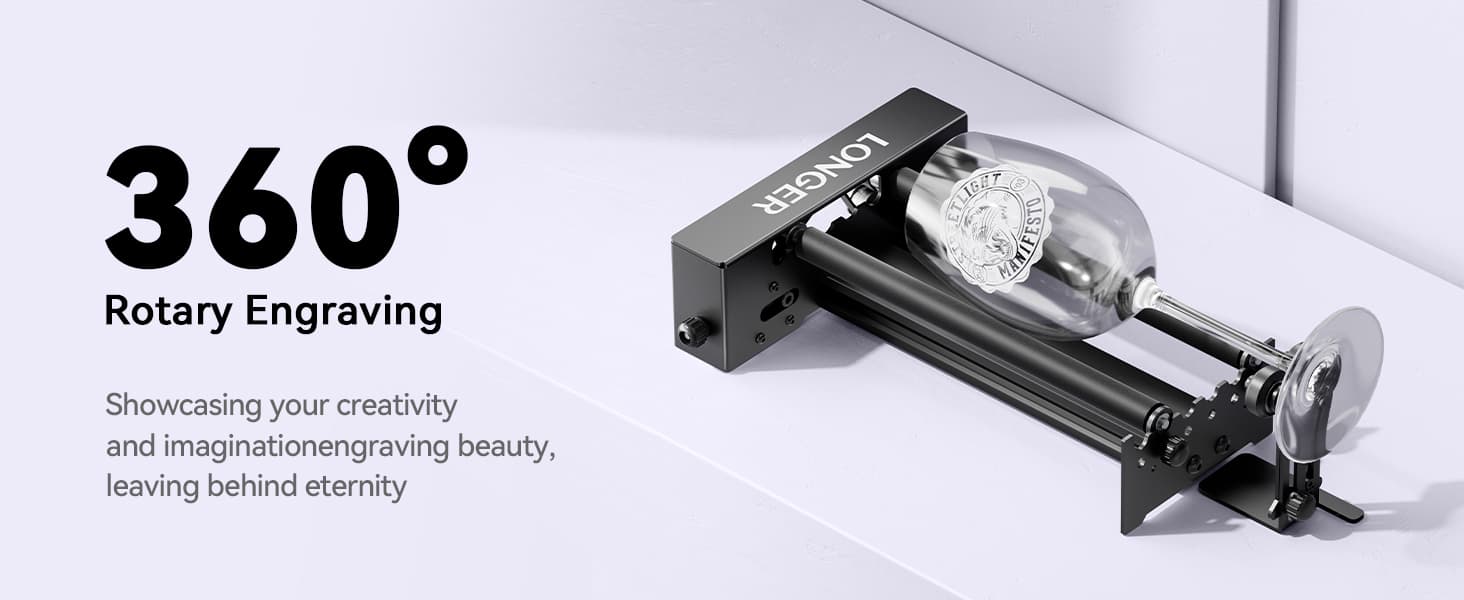
The issue's technical centerpiece is a breakdown of the two dominant engraving methods and when each earns its place on the production floor. Laser engraving works by reflecting a beam of light through a series of mirrors that direct it through a concentrating lens, generating precise, localized heat that ablates the surface of the material to expose either a contrasting color or leave an etched mark. The process is highly versatile, working across substrates including wood, acrylics, fabrics, paper, card stock, and rubber, as well as most metals.
Rotary engraving, by contrast, offers excellent mechanical control over the depth, size, and shape of each cut — a distinction that matters when working with tactile applications or thick two-ply engraving plastics where exposing the contrasting core color is the goal. For suppliers handling both consumer gift runs and institutional award orders, understanding where each method delivers the better finish is the kind of operational detail TEN's coverage is built around. The issue frames this as a substrate-first decision: matching the technique to the material, not the other way around.
Substrate Selection: Where the Craft Actually Starts
One of the issue's featured deep-dives addresses substrate choices for engraving directly, a topic that sounds technical until you realize it is the variable that determines whether a finished piece looks handcrafted or mass-produced. Crystal or blown glass delivers an upscale, light-catching finish; laser-cut wood reads as more tactile and artisanal. Acrylic sits in between, offering clean lines and color options at a lower price point, which is why it dominates corporate award assortments. Laser engraving's versatility across materials like metal, wood, and glass allows businesses to cater to a wide range of customer needs — and TEN's substrate coverage helps suppliers understand the finishing trade-offs before committing to a production run.
For seasonal gifting specifically, the choice of substrate communicates as much as the engraved text itself. Bamboo and hardwood cutting boards, for example, have become reliable high-margin items because the material signals warmth and permanence; they serve as family heirlooms, holiday kitchen decor, and wedding keepsakes, while also attracting bulk orders for corporate gifts or branded items.
Embossing, Transfer, and Sublimation: The Finishing Layer
Beyond engraving, the March issue includes a supplier roundup covering transfer and sublimation services, two finishing methods that have expanded what personalization can look like on soft goods, drinkware, and packaging. UV sublimation transfers dye onto materials using ultraviolet light, creating full-color, photo-quality images — a capability that opens the door to photographic personalization on items that traditional engraving cannot touch.
Embossing occupies a different register entirely. In corporate gifting specifically, subtlety is trending upward: small embossed logos, discreet typography, and brand color hints read as more sophisticated than bold, full-bleed branding. The goal in 2026 is to make the recipient love using the object, not advertise the sender. TEN's supplier roundup for transfer and sublimation services gives brands the sourcing map to execute that kind of restrained, high-craft finishing at volume.
Scaling Personalization Without Sacrificing Premium Quality
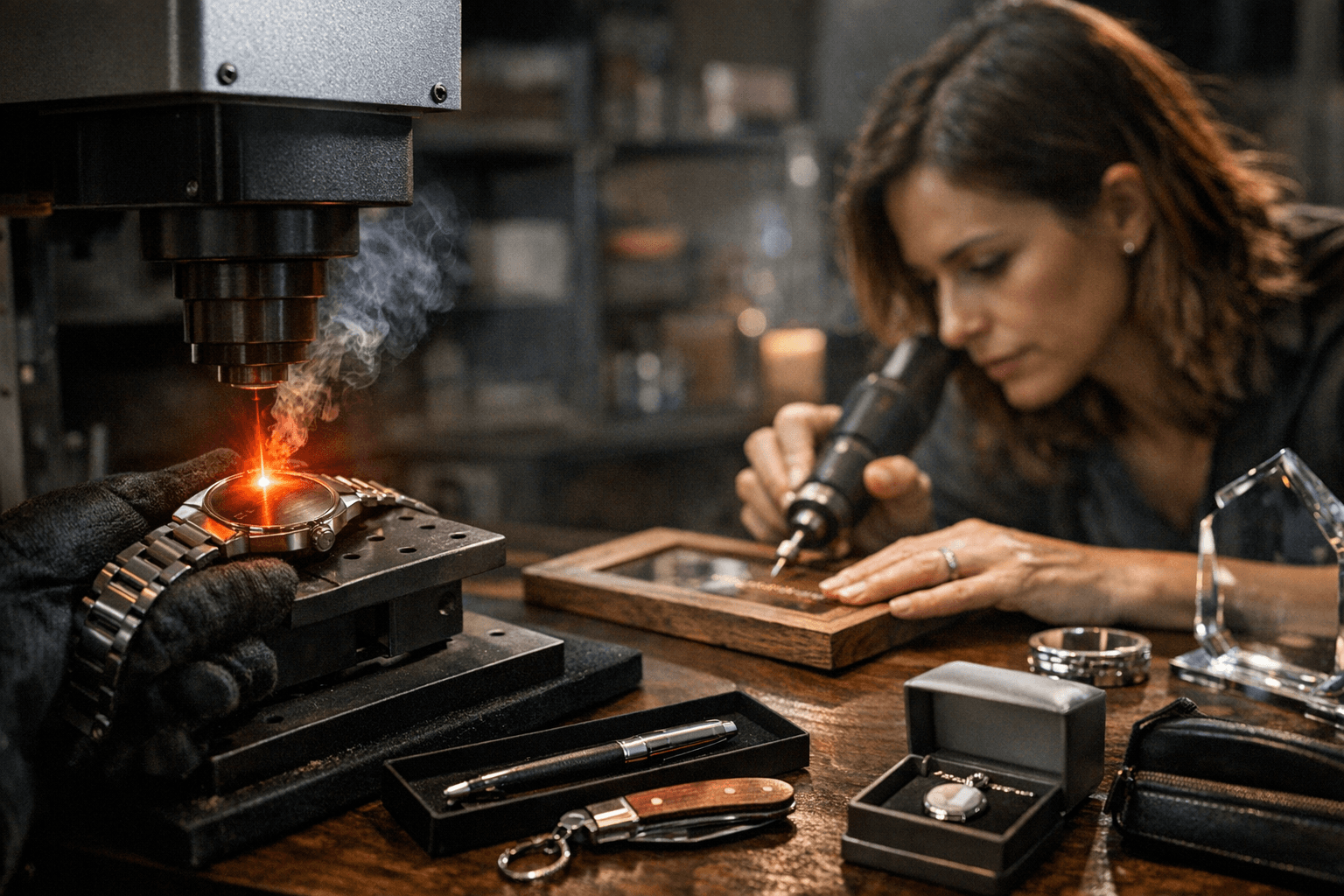
Perhaps the most commercially urgent topic in the issue is the challenge of keeping perceived quality high while scaling personalization workflows. More companies now believe personalization strengthens both internal and external relationships, which means order volumes are climbing at exactly the moment when shortcuts in finishing start showing up in the final product. TEN addresses this directly through supplier case studies and commentary on workflow design, covering how print embellishments and personalization processes can be built to scale without the loss of craft that tends to creep in when production speeds up.
The practical levers here include artwork standardization, material consistency across suppliers, and the choice of finishing technique relative to order size. Choosing finishes carefully, such as matte, soft-touch, or metallic accents, and keeping brand elements subtle through engraving or embossing rather than flooding with color, is one of the key recommendations for maintaining a premium feel at scale. These are not new principles, but TEN's value is in providing supplier-level specifics rather than general guidance.
Corporate and Seasonal Gifting: The Trend Layer
The issue's trend coverage spans both corporate and seasonal gifting, two markets that increasingly share the same production infrastructure. Eco-conscious gifting is now a baseline expectation, with companies seeking sustainable sourcing, long-life design, and reduced waste. Materials and finishes that communicate durability, including recycled metal, bio-resin, stone composite, or high-grade polymer with lasting finishes, are gaining favor. Packaging is part of this equation too: premium but minimal and recyclable, rather than elaborate and disposable.
For seasonal gifting, the personalization angle is less about corporate identity and more about narrative specificity. Marking milestones like "Baby's First Christmas," celebrating newlyweds with initials, or commemorating a new home with a family name and year are the kinds of personal details that turn a standard object into part of someone's story. That emotional weight is what justifies the price premium, and it is what keeps engraved and personalized gifts at the top of gifting hierarchies year after year.
Why This Issue Matters Beyond the Trade Floor
TEN's March 2026 issue is aimed at the supply side of the personalized gifts market, but its implications ripple outward. The finishing techniques and substrate decisions that suppliers make this spring will shape what personalized gifts look like at retail by the fourth quarter. The rising consumer demand for personalized products has turned laser engraving in particular into a high-margin opportunity, and the brands best positioned to capitalize on that demand are the ones with production workflows that can deliver genuine craft at genuine scale. That is precisely the operational gap TEN exists to close.
This article was produced by Prism’s automated news system from verified source data, official records, and press releases, then run through automated quality and moderation checks before publishing. The system is built and supervised by the people who set the standards it runs under. Read our full AI policy.
Did this article answer your question?