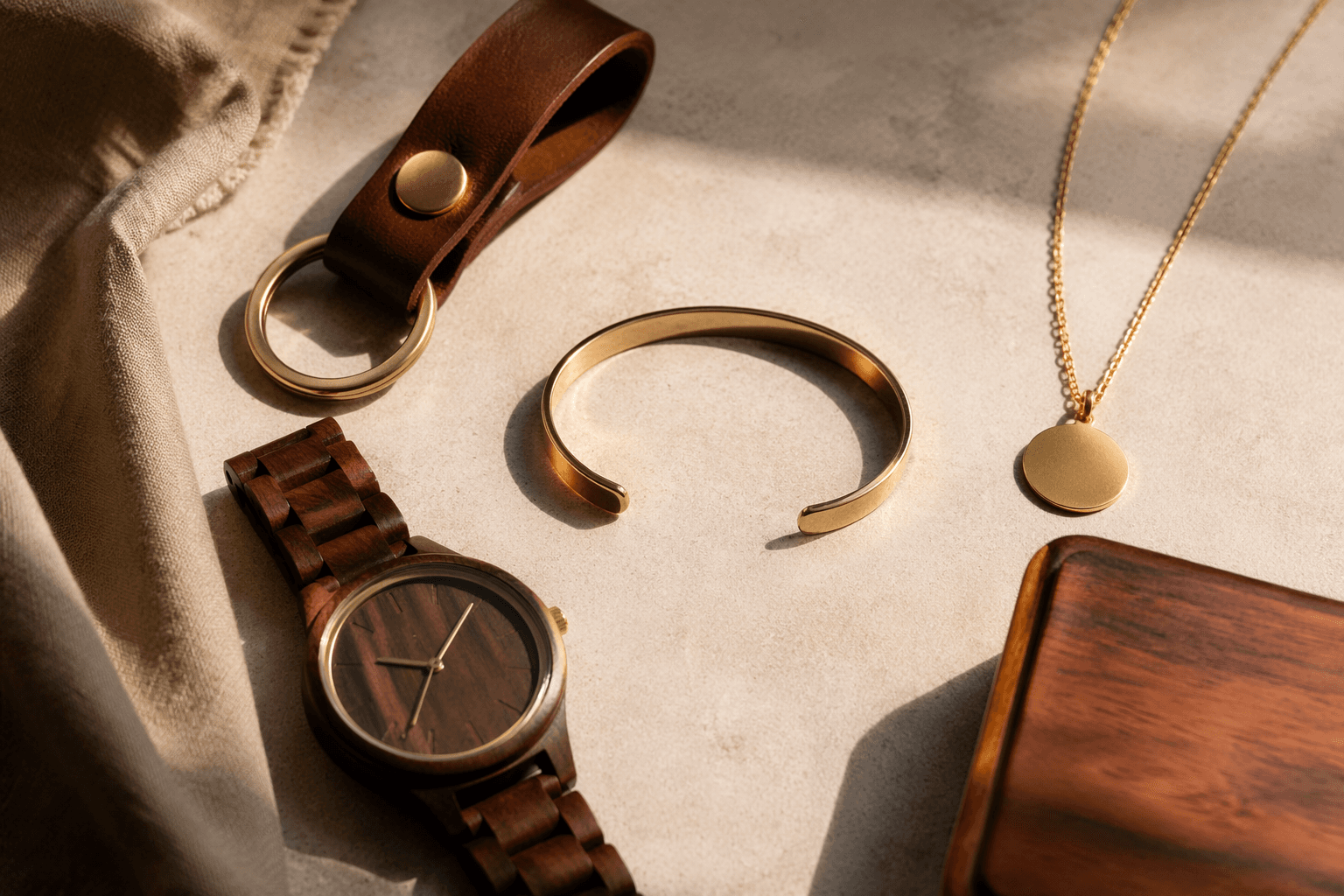
The Strategist rounds up personalized jewelry with subtle, stylish touches
Personalized jewelry has become the gift that feels most considered. The smartest pieces are subtle, wearable, and tailored to the person rather than the monogram.
Why personalized jewelry is having a moment
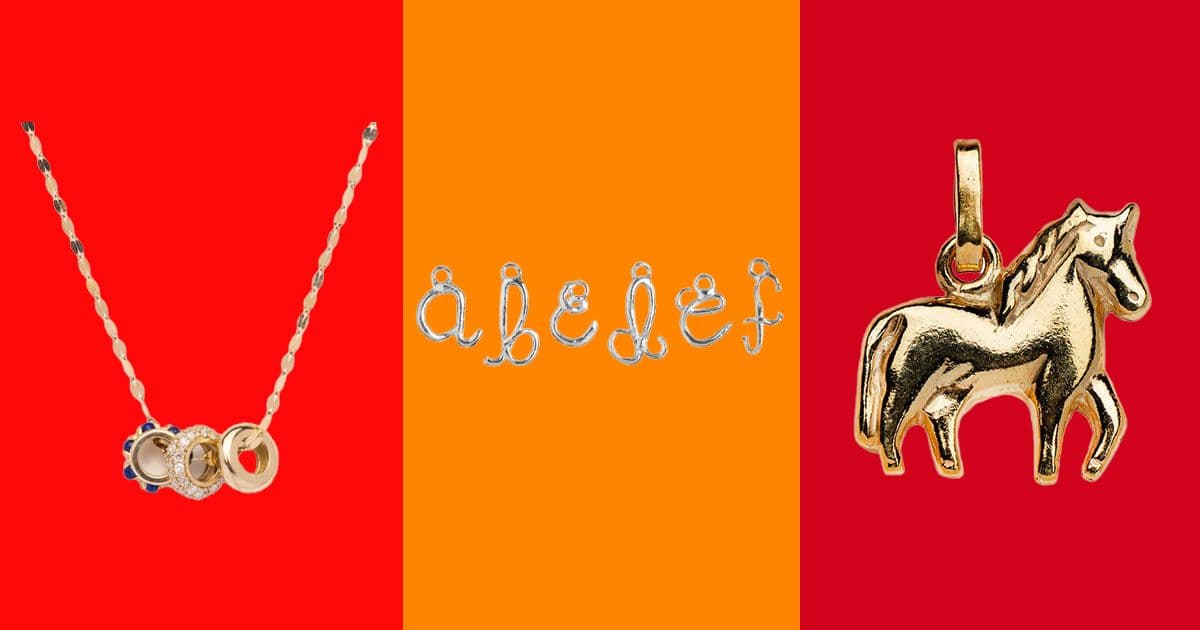
Personalized jewelry has moved far beyond the predictable initial necklace. Lauren McLemore’s Strategist guide leans into that shift, gathering rings, necklaces, earrings, and even vintage pieces that feel individual without looking overworked. The appeal is obvious: the best pieces carry a private meaning, but still read as polished enough for everyday wear.
That broader appetite is backed by the market itself. The U.S. jewelry market was estimated at $78.40 billion in 2025 and is projected to reach $114.11 billion by 2033, with growth increasingly tied to premium, exclusive, personalized accessories. In other words, customization is no longer a niche flourish. It is becoming one of the category’s main selling points.
The Strategist’s approach fits that reality well. The site describes itself as New York Magazine’s product-recommendation arm, curated by journalists, and this guide was built by reaching out to jewelry influencers and stylish people about the pieces they own and love. That matters because the strongest personalized jewelry does not rely on gimmick. It comes from the right object, the right touch, and the right level of restraint.
Subtle everyday pieces that do the most with the least
For someone who wears jewelry daily, the best personalization is usually quiet. Think initials, symbols, birthstones, or a discreet engraving hidden on the back of a pendant or inside a band. The point is not to announce the message across the room. It is to make the piece feel like it belongs to one person and one person only.
This is where engraveable charms and smaller rings shine. A charm can hold a name, a date, or a single word that means something between you and the recipient, while still staying sleek enough to layer. Non-boring initials are especially effective here when they are worked into a pendant or a ring with a clean, modern silhouette rather than a school-yearbook look.
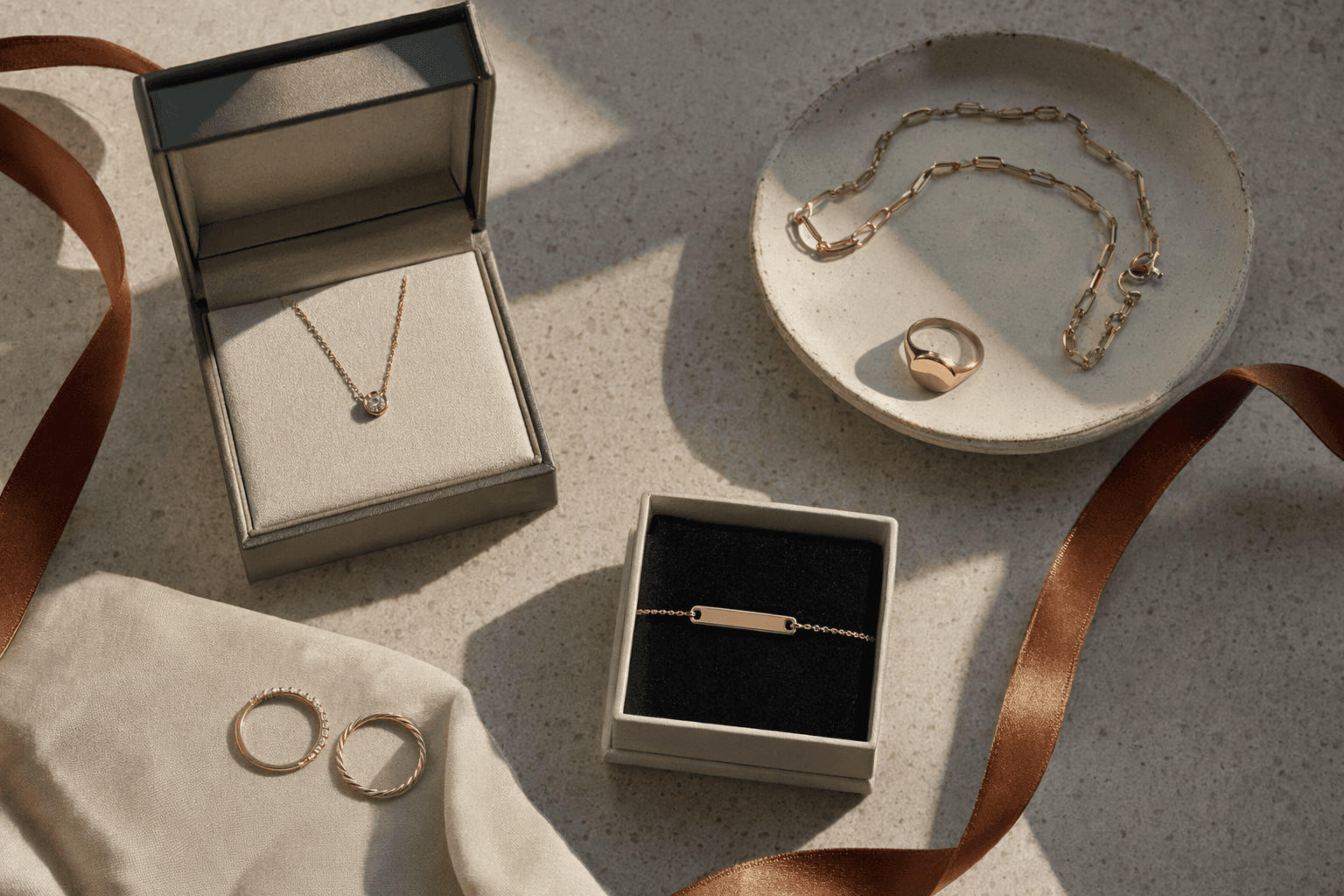
Kay’s personalized jewelry assortment shows just how broad this category has become. Personalized pieces now span necklaces, bracelets, rings, earrings, pendants, charms, and cufflinks, with customization options including engravings, birthstones, monograms, and other personal touches. That breadth makes it easier to choose a gift around how someone actually dresses. A minimalist may prefer a small pendant or thin ring. Someone who layers everything can handle a charm or bracelet with a slightly more visible message.
What makes these pieces special
• They work with almost any wardrobe. • They feel personal without demanding attention. • They are easy to wear often, which is what makes the sentiment stick.
Heirloom-inspired gifts that feel sentimental, not sentimentalized
The most successful heirloom-style personalized jewelry borrows the emotion of a keepsake without looking fussy. This is where vintage pieces, engraved lockets, birthstone settings, and symbolic motifs become especially strong. Instead of chasing trendiness, these gifts lean into permanence, memory, and the sense that a piece might be passed down.
Birthstones and zodiac motifs fit neatly into this lane, especially when the design stays elegant and restrained. The 2025 trend picture makes that clear: engraved bracelets, initials, birthstones, zodiac motifs, and interchangeable systems are defining the conversation around personalized jewelry right now. Those details give a piece meaning while keeping it wearable enough to outlast the occasion it marks.
Tiffany & Co. takes a notably selective approach here. Its personalization services include engraved initials, monograms, or symbols, but only on a limited selection of products. That limitation is part of the point. It signals that personalization can be treated as a craftsmanship detail rather than a novelty, especially when the base piece is already well made and the engraving is used sparingly.
For a gift that is meant to feel heirloom-worthy, that restraint matters. A good engraving should look like it was always part of the piece, not added to make it more marketable. The most resonant versions usually pair one meaningful detail with a strong form, then let the materials carry the rest.
Statement gifts for partners and moms
When the recipient is a partner or a mother, the best personalized jewelry can be bolder, but it still should not be obvious for the sake of it. The right choice often uses scale, layering, or symbolic elements to turn sentiment into something visibly special. That might mean a larger bracelet with a hidden message, a charm cluster built around family initials, or a ring with a gemstone choice that references a birth month or milestone.
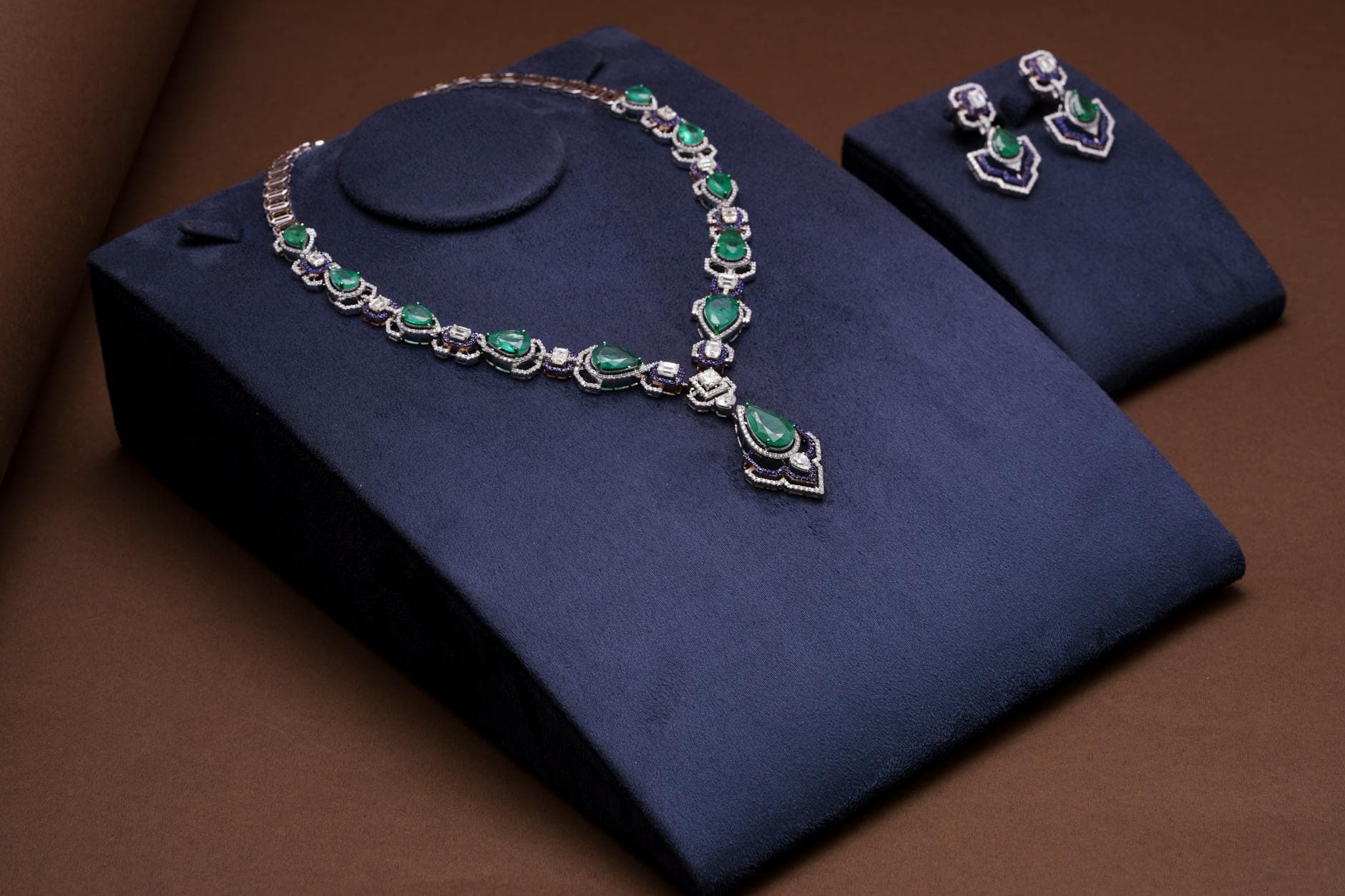
Jared’s customization model is a useful example of how brands are leaning into this space. The company points to state-of-the-art engraving machines and gemstone selection as part of its personalized jewelry offering, which suggests a broader, more configurable approach than a simple letter pendant. That kind of flexibility works well for gifts that need to feel specific, not standardized.
This is also where the market’s move toward interchangeable systems becomes useful. A gift that can be worn in more than one configuration has a better shot at becoming a regular part of someone’s life. That matters for a mother who wants to change a piece as family circumstances evolve, or for a partner who prefers jewelry that can shift from everyday wear to a more dressed-up setting.
The strongest statement gifts still have one thing in common: they are unmistakably chosen with the recipient in mind. A name, symbol, or stone is only part of the equation. The rest is the shape, the scale, and whether the piece feels like it matches the person wearing it.
How to choose the right kind of personalization
The safest place to start is with the recipient’s existing jewelry habits. If she wears delicate chains, look for engraving or a small charm rather than a large monogram. If she loves stacking rings or bracelets, birthstones, initials, or an interchangeable system may feel more intentional. And if she tends to keep jewelry on every day, choose a form that is comfortable, low-maintenance, and sturdy enough to be worn often.
- Choose initials when you want the customization to stay private and minimal.
- Choose symbols or hidden messages when the emotional meaning matters more than the visual impact.
- Choose birthstones or zodiac motifs when you want the piece to feel personal without using a name.
- Choose interchangeable designs when you want the gift to evolve with the wearer’s style.
A useful rule of thumb:
That is why The Strategist’s guide is such a smart reference point. It does not treat personalized jewelry as one thing. It treats it as a range of styles, from subtle everyday pieces to heirloom-minded gifts and more expressive options for major relationships. In a category growing as quickly as this one, the smartest gift is not the most personalized piece on paper. It is the one that feels like it was made for a real person, and will still look right on them years from now.
Know something we missed? Have a correction or additional information?
Submit a Tip