Useful personalized gifts create stronger emotional closeness, Duke study finds
A Duke study found candy bars and flowers beat supportive conversations, and useful personalization made gifts feel emotionally closer, not just prettier.
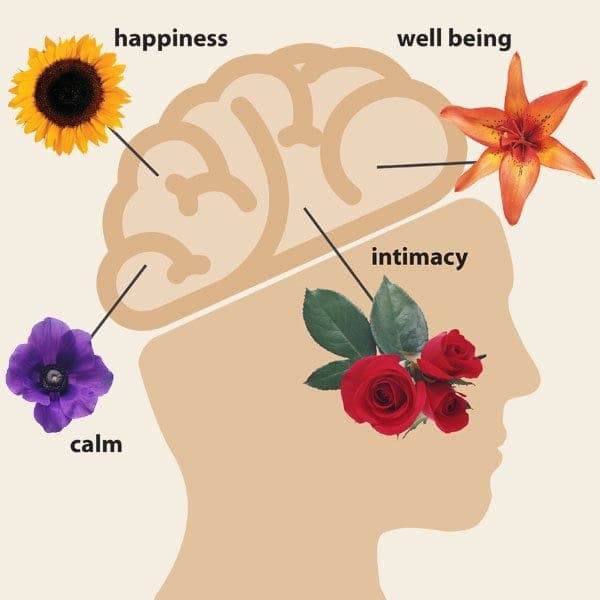
Candy bars or flowers improved receivers’ mood more than a supportive conversation in a 2025 Duke study. Across seven studies, including an in-person gifting test, gifts felt like a larger sacrifice and more receiver-focused, which helped emotional recovery.
In The Gift of Psychological Closeness: How Feasible Versus Desirable Gifts Reduce Psychological Distance to the Giver, published in Personality & Social Psychology Bulletin in March 2019, SoYon Rim and colleagues showed that feasible gifts, meaning practical items or gifts that are easy to use, made recipients feel psychologically closer to the giver than desirable gifts centered on overall quality. In one follow-up, the item itself did not change. Recipients felt closer when they were told the giver had been thinking about usefulness instead of prestige.
A monogrammed tote works when it is the bag someone already carries to work, the gym or the train. An engraved kitchen tool works when it fits a real cooking habit, not a fantasy one. A custom notebook works when the recipient writes things down for meetings, classes or daily planning. For a partner, that might mean a leather travel pouch or toiletry kit used on every trip. For a parent, it might be a serving piece or recipe box that enters family routines.
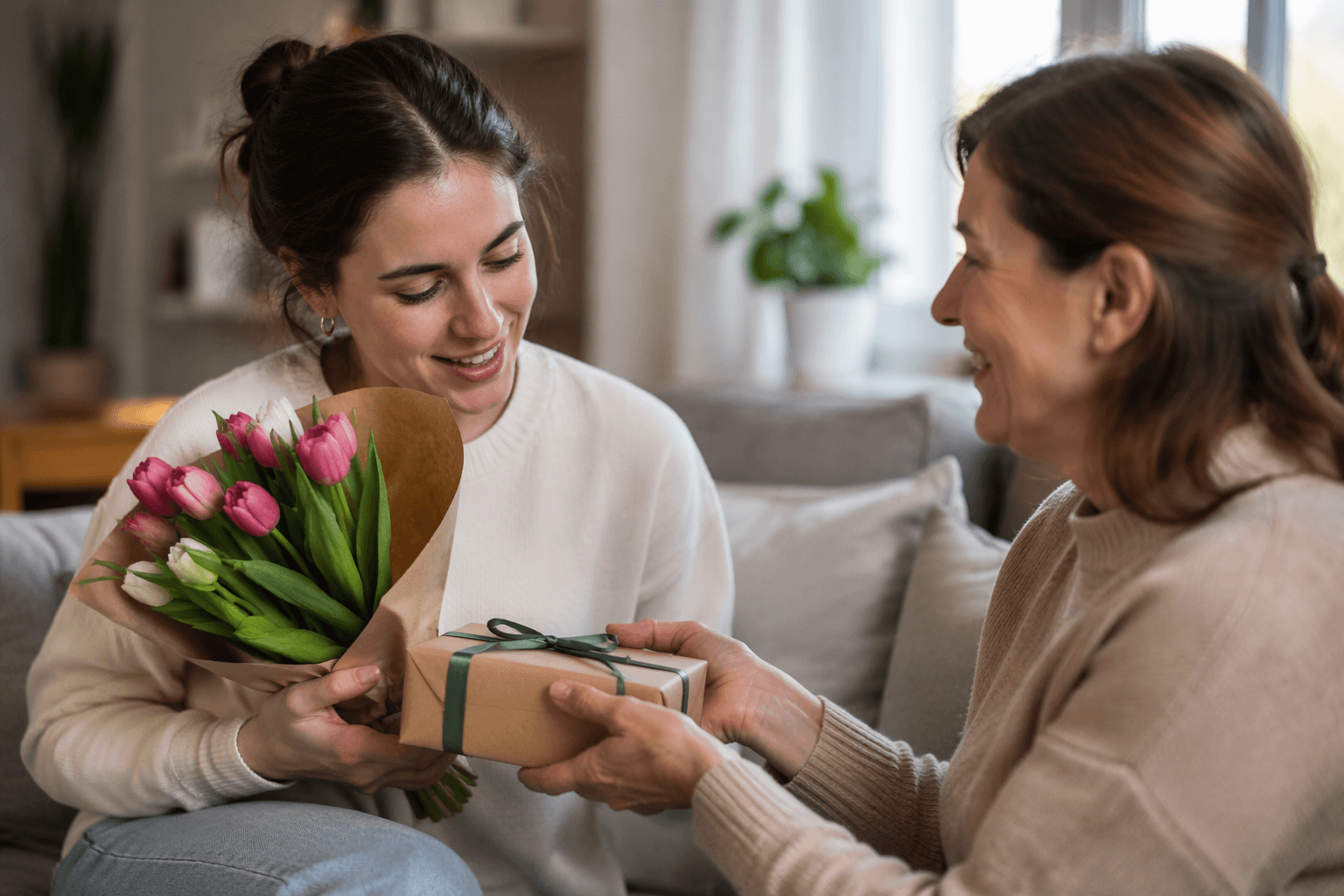
The same logic applies to longer-distance giving and corporate gifting. Duke’s 2021 paper Being there without being there shows that when in-person support is prohibitively difficult, givers tend to choose more expensive gifts, a sign that presents can carry some of the emotional work of showing up. In business settings, that can mean a travel-ready tech organizer, a high-quality notebook, or a desk accessory someone will actually keep.
Gift-giving, especially to someone with whom you have a close relationship, activates key reward pathways. Both giving and receiving gifts activate brain regions tied to reward and pleasure, including dopamine.
This article was produced by Prism’s automated news system from verified source data, official records, and press releases, then run through automated quality and moderation checks before publishing. The system is built and supervised by the people who set the standards it runs under. Read our full AI policy.
Did this article answer your question?