Why Personalized Gifts Feel More Meaningful, and Keep Growing
Personalized gifts are now the default for thoughtful giving, because the right custom detail can feel more luxurious than a pricier object.
Why personalization keeps winning
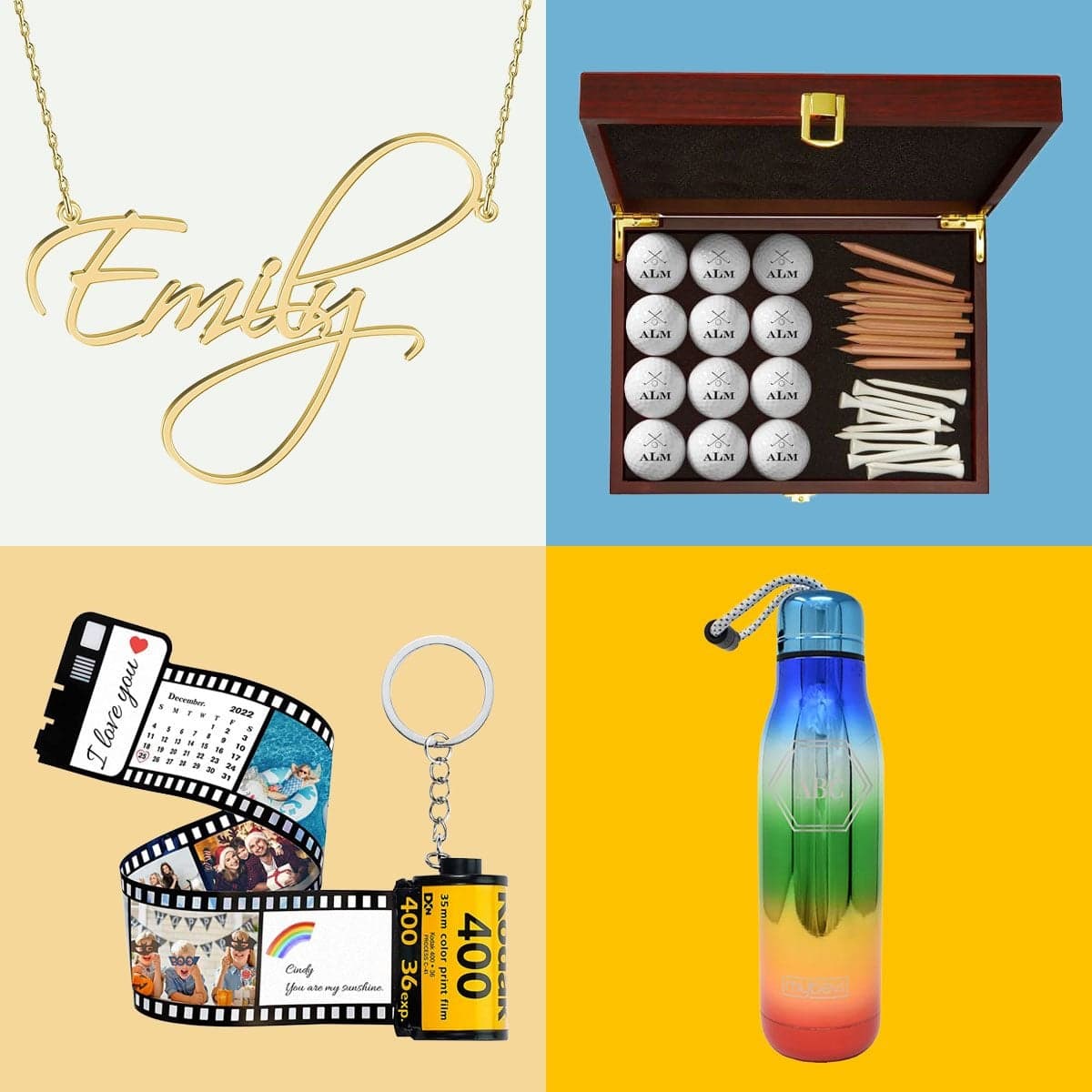
The appeal is simple: a gift with a name, date, place, or shared reference feels like it was made for one person, not bought for anyone. Reader’s Digest has long treated personalized gifts, from name necklaces and personalized books to star maps, as the answer for people who are hard to shop for, because they go "the extra mile" without needing to be extravagant.
The market has also changed around that instinct. In the United States, around half of Gen Z and millennial consumers said they were more likely to buy or give a personalized gift in 2024, while fewer than a quarter of baby boomers said the same, according to Statista. The National Retail Federation says consumers increasingly expect shopping to be personalized, and it estimated that 183.4 million people would shop during the Thanksgiving holiday weekend, a reminder that gift-buying is now a high-volume, highly curated business.
Why a customized gift feels emotionally bigger
This category is not growing only because it photographs well. The American Psychological Association says gift-giving, especially when the recipient is someone close to you, activates key reward pathways in the brain. That means the experience is emotionally charged on both sides: the giver is not only purchasing something, but also signaling attention, memory, and care.
A University of Bath study released in December 2024 sharpened that point. It found that customized gifts increased appreciation and recipients’ self-esteem, and the researchers said personalization can make a gift feel more meaningful and help the recipient feel more cherished. That is why a small change, like a name, a date, or a custom message, can matter more than moving up a price tier.
Best for birthdays: the gift that proves you know them
Birthdays are where personalized gifts make the strongest first impression, because the occasion already invites a little self-reflection. A name necklace, a personalized book, or a star map tied to a meaningful date turns a standard birthday present into something with a specific story behind it. That is the kind of choice that feels thoughtful even when the actual object is modest.
For birthdays, choose the customization that mirrors how the person sees themselves. A reader who loves sentiment will usually prefer a personalized book or a keepsake with a short message, while someone who likes design may respond better to a clean name necklace or a minimalist star map. The best birthday gifts do not just say happy birthday, they say, I paid attention.
Best for anniversaries: make the memory visible
Anniversaries reward gifts that hold a shared timeline. Personalized gifts work especially well here because the occasion already centers on a milestone, and a date, location, or shared reference can make the moment feel anchored rather than generic. A star map or a custom keepsake tied to where something important began can feel far more intimate than another piece of jewelry with no story.
This is where personalization does the most emotional work. The University of Bath findings matter here, because appreciation rises when the gift feels tailored, and that feeling of being cherished is exactly what anniversary giving should deliver. If the relationship has a strong visual memory, such as a first home, a proposal spot, or a wedding day, lean into that rather than trying to impress with scale.
Best for parents: choose meaning over display
Parents are usually not looking for spectacle, they are looking for proof that the gift came from a real thought. Personalized books and custom keepsakes are especially strong here because they can hold names, family details, and messages in a way that feels intimate rather than decorative. Reader’s Digest’s roundup works for this exact reason, because it treats personalization as a solution for the person who already seems to have everything.
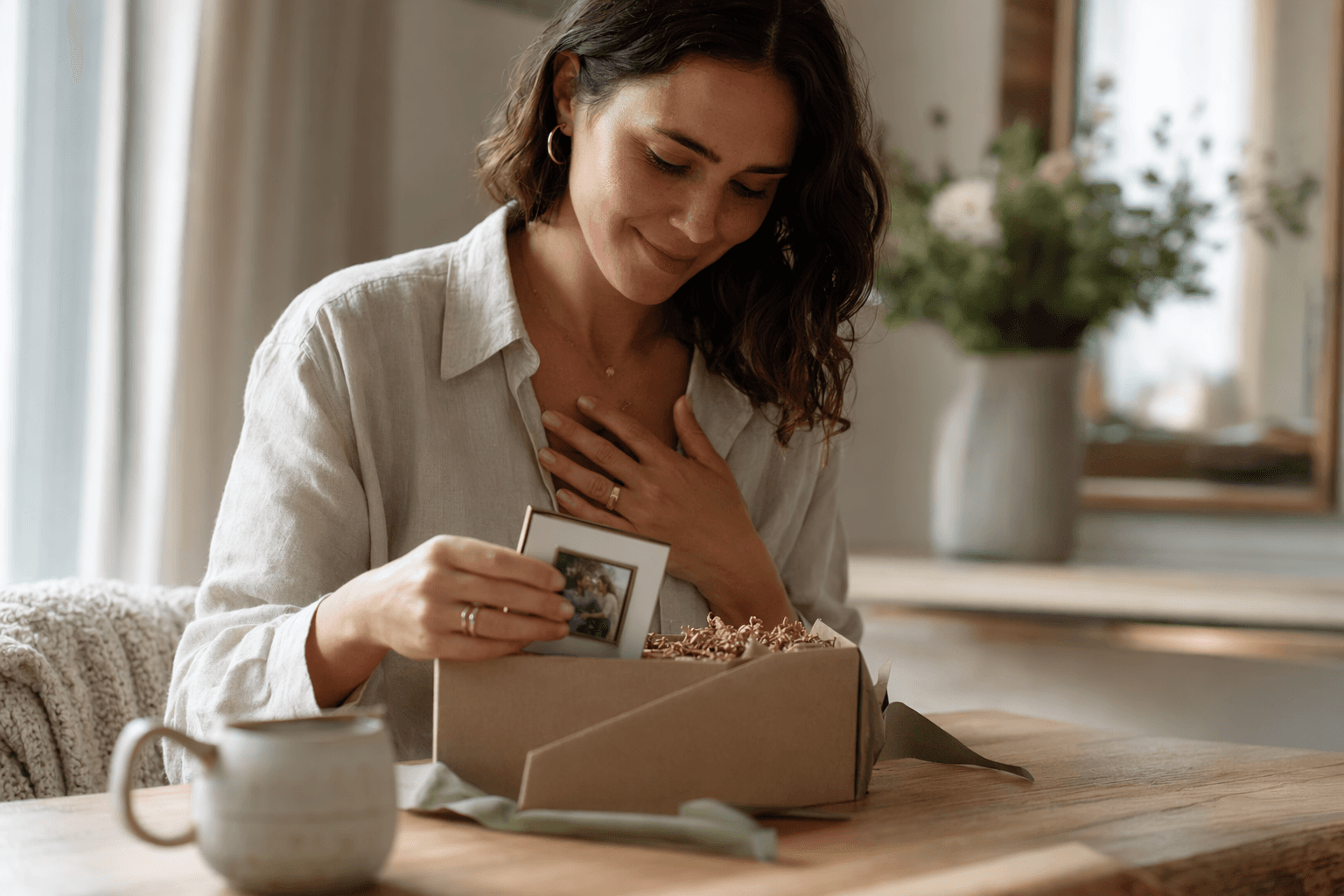
For parents, the most successful gifts tend to be quietly specific. A custom item does not need to be expensive to feel generous; it needs to reflect the family story clearly. The emotional payoff is often higher when the gift is something they will see regularly, because repeat viewing turns a one-day present into a daily reminder.
Best for long-distance relationships: make the distance feel smaller
Long-distance gifting needs a stronger emotional anchor, because the point is not just to send something nice. It is to close the gap, even briefly, with a physical object that carries shared meaning. That is where personalized books, star maps, and custom keepsakes become especially useful, since they can reference the same date, place, or memory from both sides of the relationship.
Here, personalization does what standard gifts cannot: it creates a sense of presence. A gift that names a shared moment can feel like a stand-in for being there in person, which is why the APA’s point about close relationships matters so much. The gift becomes less about the object and more about the reassurance behind it.
Best for last-minute shoppers: keep the customization simple
The smartest last-minute personalized gift is not the most elaborate one. It is the one that relies on a simple, high-impact customization rather than a fully bespoke build, because turnaround time matters as much as sentiment when the calendar is tight. A name, a date, a short message, or a ready-made template with one meaningful detail will usually be the safest path.
This is also where restraint looks luxurious. A rushed gift can still feel elevated if the personalization is clean and deliberate, while an overworked concept can look late, not thoughtful. The goal is to make the gift feel intentional without forcing a complicated production schedule.
What to look for before you order
The category keeps growing because it now spans everything from marketplace finds to legacy gifting brands. Research and Markets describes the U.S. personalized gifting market as a growing multi-vendor sector that includes Etsy, Hallmark, Shutterfly, Cimpress, and American Greetings, which tells you this is no longer a niche corner of the gift aisle. It is a broad retail category, and that breadth gives shoppers more control over style, turnaround, and budget.
When you are choosing, think in this order:
- Recipient first: pick a format that matches the person, not the trend.
- Occasion second: birthdays want surprise, anniversaries want memory, parents want meaning, and long-distance gifts need emotional closeness.
- Customization third: the best options usually keep one detail front and center, like a name, date, or place.
- Timing last: the more complex the personalization, the more lead time it needs.
Personalized gifting keeps growing because it solves the modern problem of how to make a present feel specific. In a market where consumers increasingly expect shopping to be personalized, the most memorable gifts are often the ones that look simple from the outside and feel unmistakably personal once they are opened.
This article was produced by Prism’s automated news system from verified source data, official records, and press releases, then run through automated quality and moderation checks before publishing. The system is built and supervised by the people who set the standards it runs under. Read our full AI policy.
Did this article answer your question?