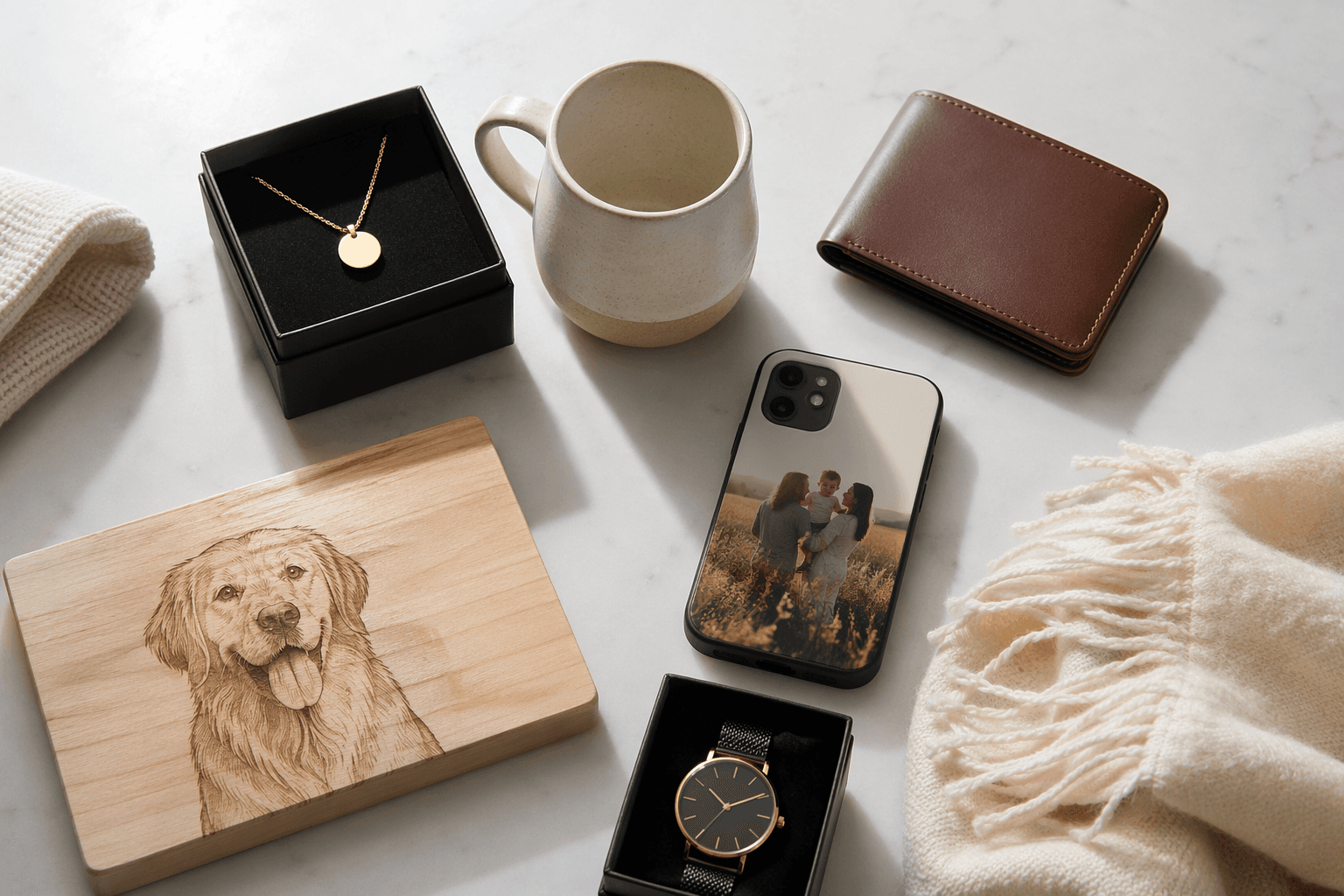
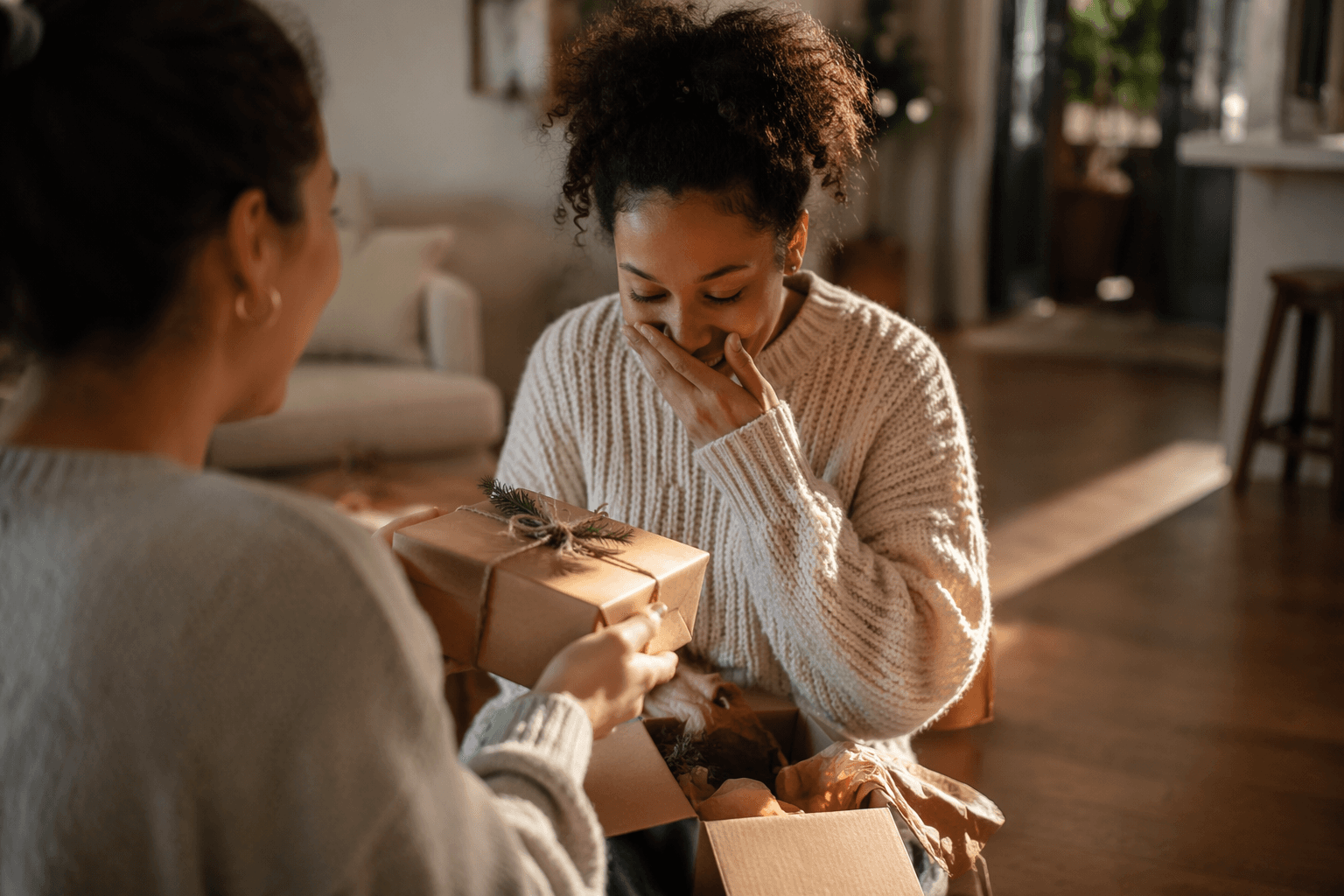
Why personalized gifts feel more thoughtful, from monograms to custom style
Personalization has moved from prep-school polish to everyday style signal, with initials and monograms reading freshest on useful pieces, not loud novelty.
Personalization has moved from polite to stylish
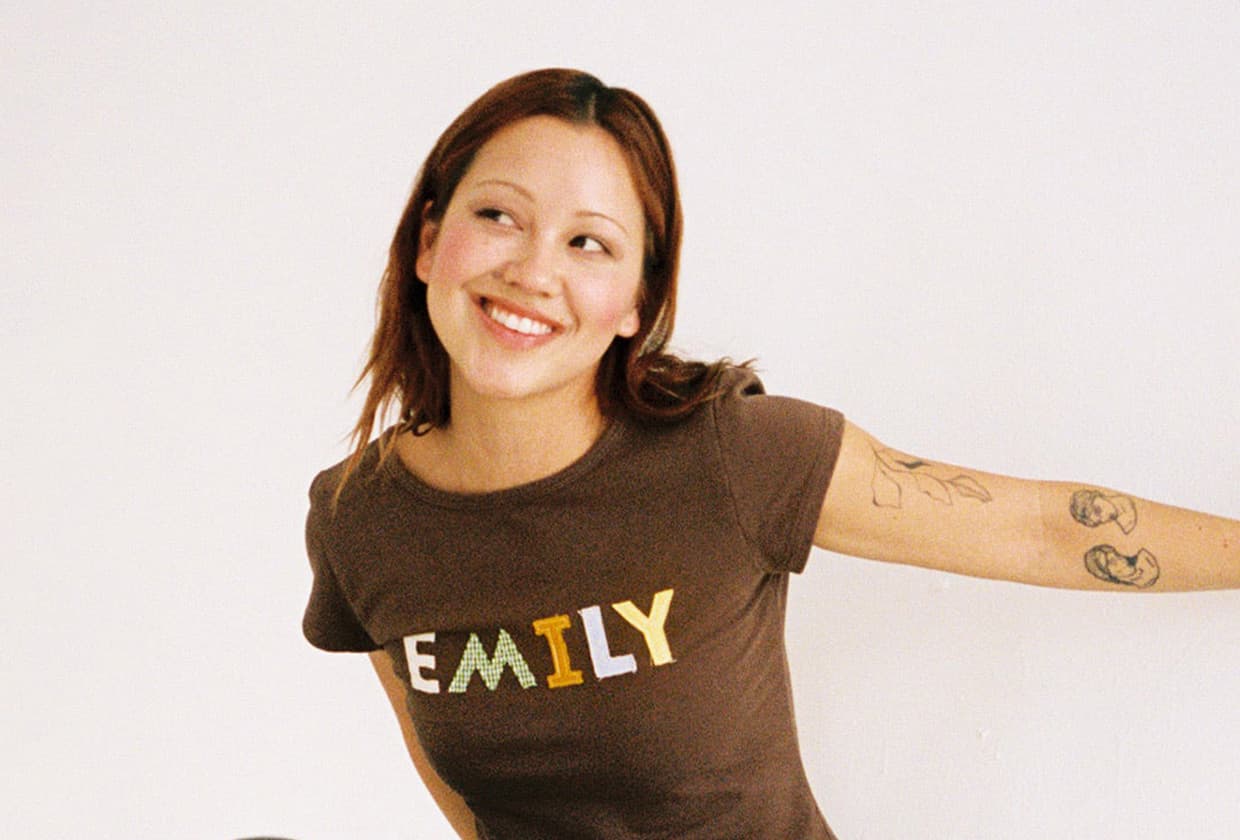
Personalized gifts feel special because they are tailored to one person, but the appeal now goes beyond sentiment. Who What Wear has framed the category as a fashion story, not just a gifting one, with monogrammed travel bags, custom baby tees, embroidered pillows, and add-a-monogram wardrobe pieces showing how initials can make an object feel more considered and more current. The strongest examples are the ones that say something about the recipient’s taste, not just their name.
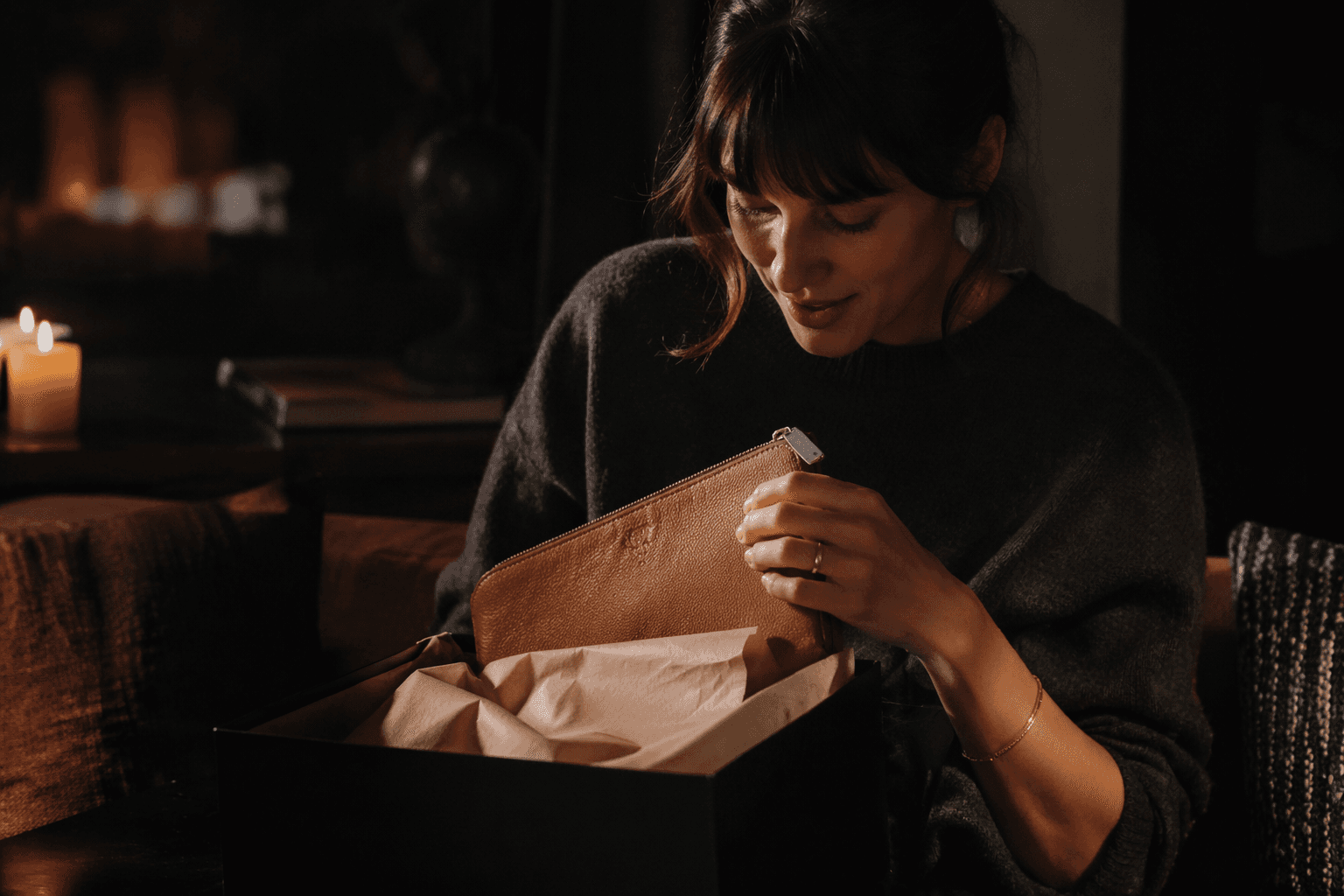
That shift matters because personalization is no longer limited to formal leather goods or inherited monogram etiquette. It now lives in the places people actually use every day, from makeup pouches to phone cases to home accents. The result is a gift category that can feel intimate without being fussy, and polished without looking precious.
The most current versions are subtle, useful, and a little bit self-aware
The customized pieces that feel freshest are usually the ones with a clear purpose. A sleek leather phone case embossed with initials reads as modern because it is practical first and decorative second. The same is true for monogrammed travel bags, which turn a workhorse item into something more personal without changing its function. Even the viral Parisian lip balms fit this newer mood, because the appeal is not only in the beauty product itself but in the sense that it belongs to a specific aesthetic world.
Fashion has also made room for personalization that is more playful than formal. Who What Wear later described Gen Z as embracing hyperpersonal style and personality-first fashion, with ironic baby tees and monogrammed makeup pouches standing in for a more individual way of dressing. That is the key distinction now: the monogram is less about inherited restraint and more about identity signaling. When the customization feels like an extension of someone’s style, it reads current. When it feels overly ornate or overly literal, it can tip back into costume.
Heritage brands made the monogram feel like fashion in the first place
Luxury houses have long understood that personalization can carry both status and meaning. Louis Vuitton says its Monogram canvas was created in 1896 by Georges Vuitton as an anti-counterfeiting signature, and the house is now marking the design’s 130th anniversary. That history is part of why monograms still resonate: they were never just decorative. They were originally a signature, a mark of authorship and ownership, which is exactly what makes the concept feel durable even when the styling changes.
L.L.Bean tells a similar story from a more practical angle. The Boat and Tote was introduced in 1944 as Bean’s Ice Carrier, built for hauling ice from car to chest, and it later evolved into a fashion object that is often customized with monograms. That transformation explains a lot about personalization today. The most compelling monogrammed gift is often the one that begins as a useful object and becomes a style statement because the personalization is light, not loud.
The best personalized gifts are the ones people actually use
Bags remain one of the easiest places to start. Monogrammed L.L.Bean totes are a perfect example because they sit at the intersection of utility and style, especially for commuting, errands, travel, or school runs. Louise Carmen’s initialed notebooks push the same idea into stationery, where a name or set of initials can make an everyday object feel more like a kept possession than a disposable one. For anyone who loves organization, writing, or carrying their life in one place, that kind of customization feels especially considered.
Beauty is another sweet spot because it rewards small, precise details. Officine Universelle Buly says its Baume des Muses can be engraved with a first name or initials, which makes the product feel more giftable without changing what it is. That same logic explains why monogrammed makeup pouches remain appealing: the personalization is visible, but the object still earns its place in a handbag, a carry-on, or a bathroom drawer. A custom beauty gift works best when the engraving or monogram feels like a finishing touch, not the whole point.
Home accents make personalization feel warmer, not just prettier
Personalized home pieces are having a real moment because they turn a private aesthetic into part of everyday life. Embroidered pillows can be deeply personal without being overly formal, especially when the embroidery is restrained and the color palette is quiet. Engraved dishware works for the same reason: it brings a name, initials, or family symbol into a setting people already use, which makes it feel intimate rather than staged. Who What Wear’s 2026 shopping coverage placed these kinds of pieces alongside monogrammed totes and initialed notebooks, showing how broad the category has become.
Abbode’s personalized items fit this broader home-and-lifestyle shift as well. The appeal is not only that the object is customized, but that it looks like it was chosen with a specific room, ritual, or routine in mind. That is what separates thoughtful personalization from gimmickry. The best custom home accents are the ones that feel quietly integrated into a space, so the personalization becomes part of the atmosphere rather than a novelty label.
The category is growing because it solves a real gifting problem
This is not just an aesthetic trend. Technavio projected in late 2024 that the global personalized gifts market would grow by USD 14.98 billion from 2024 to 2028, at a CAGR of 8.35 percent. A separate U.S. personalized gifting report pointed to rising demand for customized apparel such as monogrammed shirts and personalized jewelry. That commercial momentum tracks with what fashion editors are already seeing: people want gifts that feel specific, but they still want them to look good on their own.
The smartest personalized gifts now sit at the overlap of utility, identity, and presentation. A monogrammed tote, an engraved balm, an initialed notebook, or a custom pillow can feel more luxurious than something far more expensive if the choice is exact. In 2026, the best personalization does not scream status. It signals taste, attention, and the kind of thoughtfulness that makes a gift feel chosen, not just bought.
This article was produced by Prism’s automated news system from verified source data, official records, and press releases, then run through automated quality and moderation checks before publishing. The system is built and supervised by the people who set the standards it runs under. Read our full AI policy.
Know something we missed? Have a correction or additional information?
Submit a Tip