Baltimore postpartum shower offers Black moms support, healing, and resources
A Baltimore postpartum shower reframes push gifts around the mother, pairing healing services with a clear reminder that Black moms should not be forgotten after birth.
Why the postpartum shower matters
A new kind of support gift is taking shape in Baltimore, and it puts the mother at the center. DMC Promise Foundation Inc.’s second annual Postpartum Shower is built around a simple idea with real force: after the baby arrives, the care should not stop. For Black mothers especially, that message lands with urgency, because the event is designed to offer healing, resources, and community at a time when many women feel overlooked.
The shower is not a baby giveaway in the usual sense. It is a free, intimate gathering meant to honor recovery, mental health, and practical help, while also showing how a push present or support registry can be more meaningful when it addresses the mother’s actual needs. Instead of defaulting to another blanket, the model points toward therapy access, wellness services, and a village of people who stay engaged after delivery.
What happens on April 17
The event takes place at Morgan State University in Baltimore, Maryland, on April 17, 2026, from 9:00 a.m. to 2:00 p.m. Registration is capped at about 75 to 80 people, which keeps the atmosphere personal rather than transactional. That smaller scale matters, because the goal is connection, not crowd size.
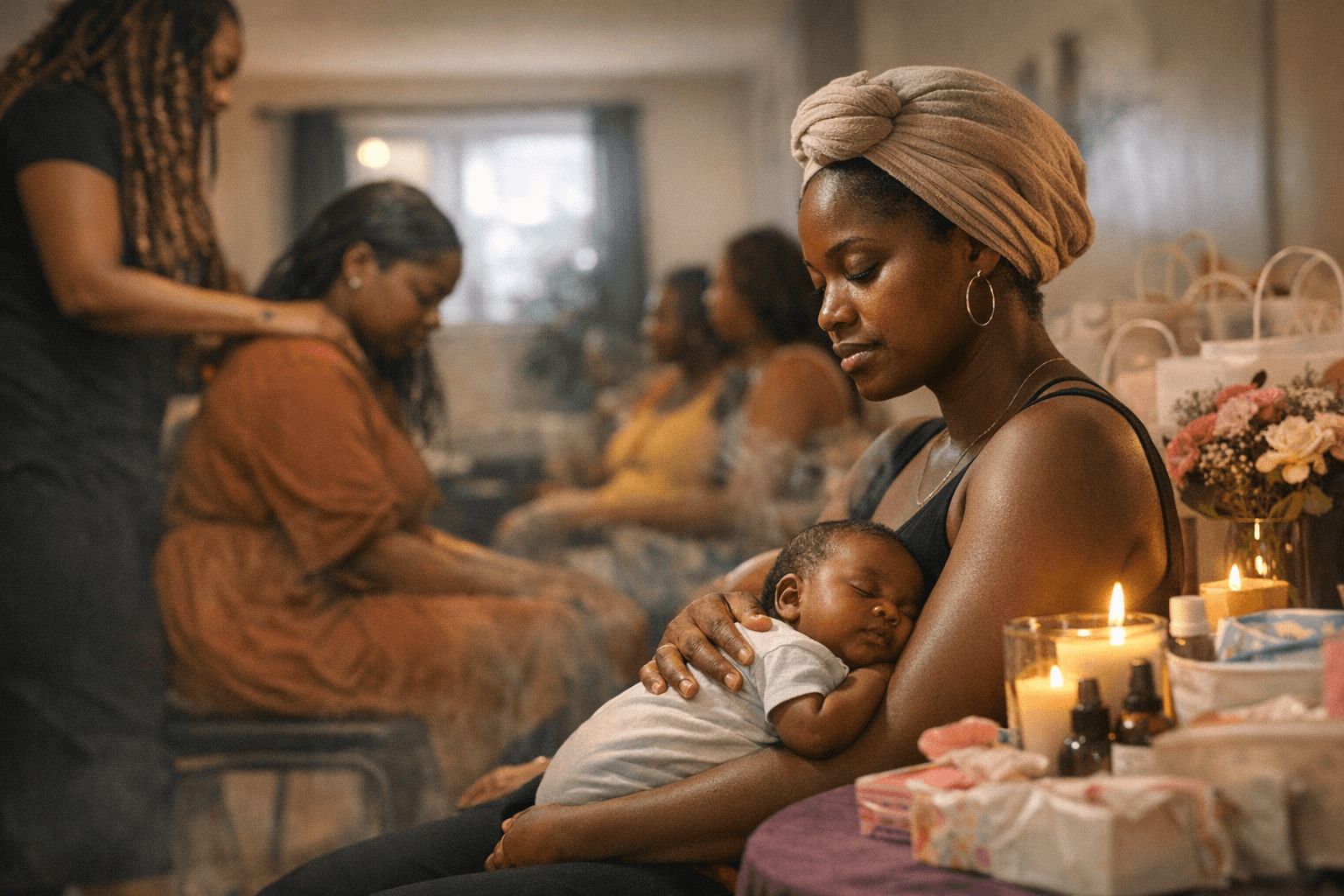
The 2026 theme, “You Are the Reason,” sets the tone for the day. The schedule includes an expert-led panel, a town-hall style discussion, workshops on postpartum care and emotional resilience, a resource fair, food, relaxation, giveaways, and raffle prizes. This year’s additions, meditation, chair massages, and facials, push the idea further by treating recovery as something that deserves comfort, not just information.
The structure is smart because it blends emotional support with practical access. A mother can listen, learn, rest, and leave with contacts and resources instead of only a stack of newborn items that do little for her own healing.
Why this is bigger than one event
Tamira Dunn, CEO of DMC Empowering Health Services, says the shower responds to a familiar problem: mothers are often forgotten once the baby arrives. That is the real emotional center of the story, and it explains why postpartum depression and postpartum anxiety are part of the conversation, not side notes. When a gift culture focuses only on the infant, it misses the person who just did the hardest work.
Dunn also brings lived experience to the mission. After miscarrying at 15 weeks, she created Elijah’s Hope Foundation, an infant-loss organization that supports grieving women and doctoral students studying reproductive health. That background gives the event a deeper register, one that understands postpartum care as part of a wider continuum of maternal health, grief, and recovery. The result is a model that feels personal, not performative.
The shower also reflects DMC Promise Foundation’s broader effort to build a village around mothers. Its fundraising page says the program provides therapy, supplies, and community support for Black mothers, which is exactly the kind of language that should shape better push presents and registries. A gift that funds meals, counseling, or child care is often more luxurious in the truest sense than something decorative, because it changes the day-to-day experience of motherhood.
The partners give the idea reach
This is not an isolated gesture. Morgan State University, My Sister’s Keeper, the Johns Hopkins Urban Health Institute, Pampers, Amazon, M&T Bank, Baltimore Healthy Start, Postpartum Support International’s Maryland Chapter, and the University of Maryland Department of Gynecology and Reproductive Sciences are all part of the effort. That mix of academic, corporate, and community partners gives the shower a practical backbone, especially through the resource fair and the expert voices promised in the program.
The partnership list also shows where postpartum support is headed. It is no longer enough to celebrate a new baby with gifts that assume the mother will simply bounce back. A more thoughtful model draws in mental health specialists, health educators, and service providers who can help solve the problems that emerge after discharge, when the hospital lights are gone and real life begins.
Why Black Maternal Health Week gives this extra weight
The shower lands during Black Maternal Health Week, observed every year from April 11 to 17 and founded and led by the Black Mamas Matter Alliance. The 2026 theme is “Rooted in Justice & Joy,” and the week marks the alliance’s 10-year anniversary. It is intentionally scheduled to align with National Minority Health Month, and it begins on April 11 to match International Day for Maternal Health and Rights.
That context matters because the stakes are still grim. A 2024 presidential proclamation said women in America die from pregnancy-related causes at a higher rate than women in any other developed nation, and Black women are three times more likely than white women to die from pregnancy-related causes. The same proclamation pointed to systemic racism, bias, and barriers such as housing, transportation, food access, and mental health care as drivers of worse outcomes. It also noted that the American Rescue Plan allowed many states to extend Medicaid postpartum coverage from 60 days to a full year.
The message is hard to miss: postpartum care is not a luxury add-on. It is part of the response to a national crisis.
What this means for better push presents
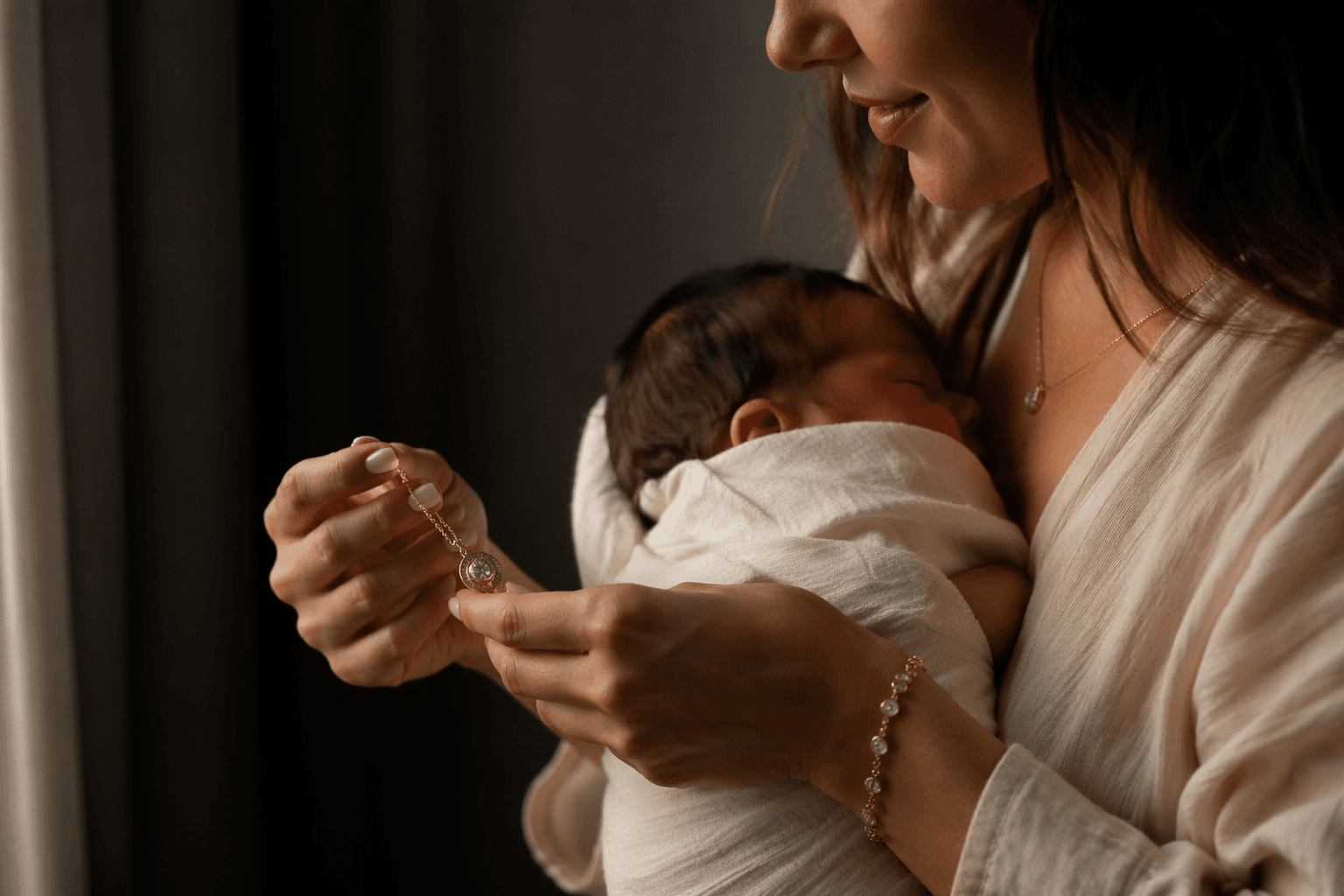
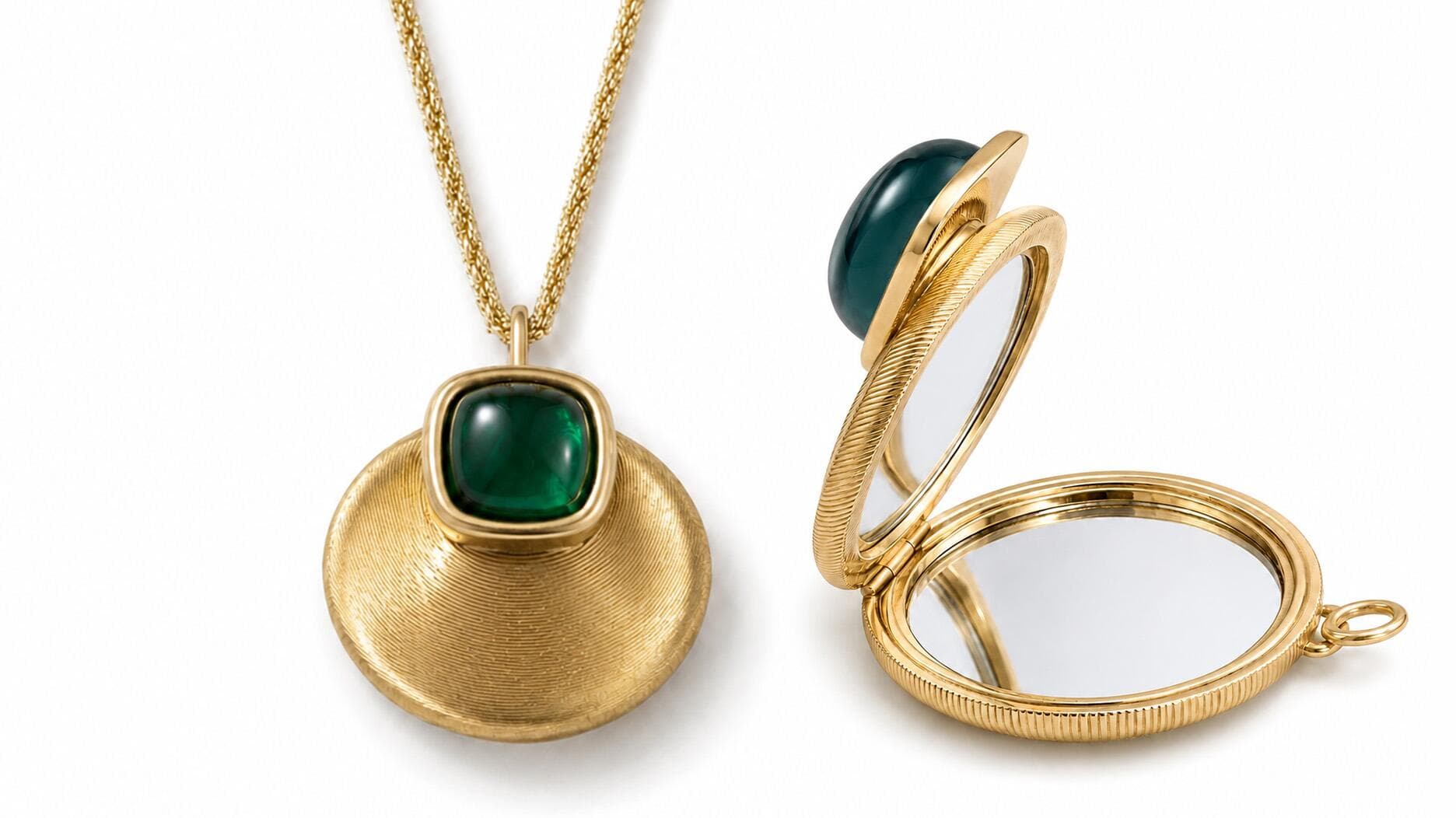
The strongest push present idea in this story is not jewelry or flowers, although those can be lovely. It is the shift in intent. A gift becomes more memorable when it says, clearly, that the mother is seen, protected, and worth investing in after birth.
- A massage, facial, or meditation session for a body that has just carried and delivered a baby.
- Therapy support or postpartum counseling, especially when depression or anxiety may surface.
- Meal help, supply bundles, or practical recovery items that reduce pressure at home.
- A registry built around rest, not just the nursery.
Think of the model this way:
That is why a postpartum shower resonates. It turns celebration into care, and care into community. In a culture that often showers attention on the baby alone, this Baltimore gathering makes a sharper, kinder case: the mother is the reason, and she should not be the one left out.
This article was produced by Prism’s automated news system from verified source data, official records, and press releases, then run through automated quality and moderation checks before publishing. The system is built and supervised by the people who set the standards it runs under. Read our full AI policy.
Did this article answer your question?