Best Push Presents Help New Moms Recover, Not Accumulate Clutter
The most meaningful push presents do not add another keepsake. They buy back sleep, time, and support during the 12 weeks after birth.
What a push present actually is
A push present is a gift given at or after childbirth, and the best version recognizes the physical work, pain, and recovery that follow delivery. That simple idea has changed the way many people think about gifting for new mothers: the point is not to add one more beautiful object to a house already filling with bottles, blankets, and baby gear. It is to make the postpartum period easier to live through.
That shift matters because the early weeks after birth are not a single moment to celebrate and move on from. They are a stretch of physical recovery, emotional adjustment, and constant need. A thoughtful push present meets that reality instead of pretending the only thing a new parent needs is something for the nursery.
Why support beats stuff
The clearest rule for choosing a push present is also the least glamorous: gift relief, not clutter. Help with meals, housekeeping, rest, and recovery often feels more luxurious than another bracelet or baby outfit because it solves a real problem in the home. A beautiful object can be touching, but a clean kitchen, a stocked fridge, or a few uninterrupted hours of sleep can change the day.
That is why experienced moms tend to value practical support so highly. Newborn life is repetitive, physical, and often exhausting. Anything that trims the mental load, reduces the number of tasks waiting on the counter, or gives a parent one less thing to organize will usually be remembered longer than a decorative gift.
The postpartum window is longer than people think
The American College of Obstetricians and Gynecologists describes the postpartum period as the 12 weeks after the birth of a child, and it treats postpartum care as an ongoing process rather than an isolated visit. That is a useful lens for gift-givers, because it reframes the push present from a one-day gesture into support for a real recovery period. New parents are not simply “back to normal” after the hospital stay.
ACOG also emphasizes education and support early in pregnancy and again in the postpartum period. In practical terms, that means a gift that keeps life moving, whether that is food, cleaning help, or a paid service that lightens the load, is aligned with the way recovery actually works. The smartest push presents fit inside that larger arc of care.
Why the stakes are real
This is not just about convenience. CDC data show that about 1 in 8 women with a recent live birth report symptoms of postpartum depression, and one analysis across 31 sites found postpartum depressive symptoms in 13.2% of women with a recent live birth. The CDC also found that little or no social support is a risk factor for depression during and after pregnancy.
That is the heart of the matter: support is not a nice extra. It is part of the environment that helps a new parent recover. The CDC also reported screening gaps, with one in five pregnant women not asked about depression at a prenatal visit and one in eight not asked at a postpartum visit. In that context, a push present that makes daily life easier is not only thoughtful, it is unusually relevant.
The best push presents are practical, but they can still feel special
A practical gift does not have to feel clinical. The most memorable support gifts are the ones that are arranged with care, presented beautifully, and tailored to the person receiving them. A meal delivery gift can feel intimate if it reflects the family’s tastes. Housekeeping support feels indulgent when it is framed as permission to rest. Even a small budget can go far if it buys time rather than objects.
Consider gifts that work because they remove friction:
- A few weeks of prepared meals, especially if they can be frozen and reheated easily
- Housekeeping support, so the new parent is not choosing between rest and a clean home
- Grocery or essentials delivery help, which cuts down on errands
- Childcare support for an older sibling, if there is one
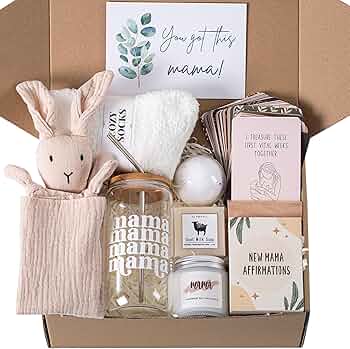
- A postpartum care basket that includes comfort items for recovery, not baby decor
What makes these gifts feel luxurious is not price alone. It is that they restore a little control to a life that suddenly revolves around feeding schedules, healing, and interrupted sleep.
What to avoid when you are choosing one
The easiest mistake is buying for the baby when the gift is meant for the birthing parent. New clothes in newborn sizes, duplicate toys, and decorative nursery items may be charming, but they rarely help the person recovering from birth. If the gift does not reduce stress, save time, or support healing, it is probably not the strongest push present.
It is also worth resisting the temptation to make the gesture bigger rather than better. A push present does not need to be extravagant to be meaningful. Often, the most elegant choice is the one that acknowledges the right need at the right moment: recovery first, objects second.
A more modern standard for gifting after birth
The old logic of baby gifting was accumulation. The newer, more thoughtful logic is care. That change reflects a broader understanding of postpartum life, where the body is healing, emotions are shifting, and support from other people is not optional if recovery is going to feel manageable. A push present that helps with the day-to-day burden understands that reality.
That is why the best gifts after birth are increasingly the least showy ones. They are the gifts that clear a counter, fill a fridge, buy a nap, or make the house feel less demanding for a few precious days. In a season defined by exhaustion and tenderness, the most luxurious thing you can give a new mother is not more to hold, but less to carry.
This article was produced by Prism’s automated news system from verified source data, official records, and press releases, then run through automated quality and moderation checks before publishing. The system is built and supervised by the people who set the standards it runs under. Read our full AI policy.
Did this article answer your question?