How to choose a push present diamond using the 4Cs
The smartest push-present diamond is cut-first and certification-led. Choose a low-profile setting she can wear through newborn life, not just admire.
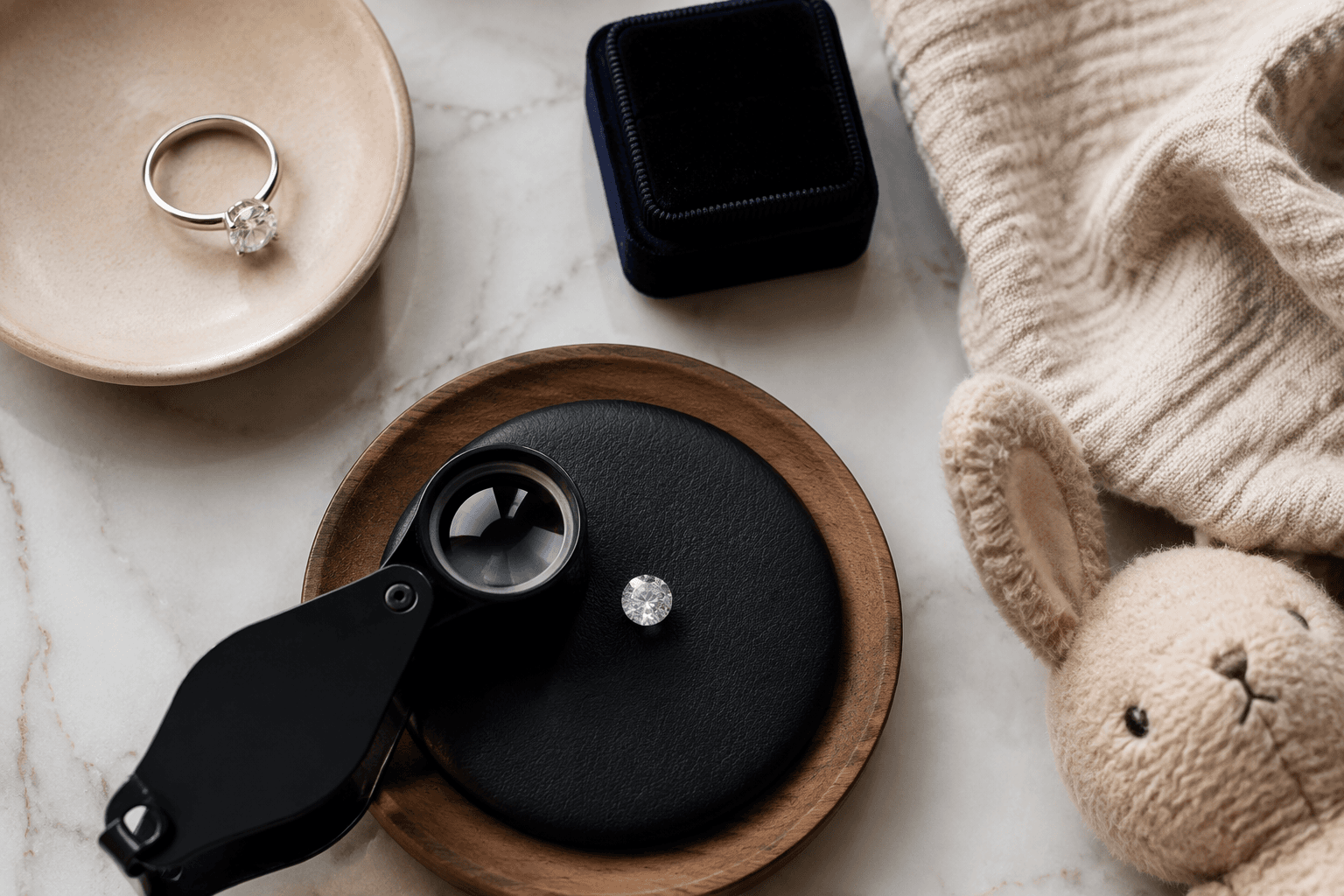
A push-present diamond has to survive sleepless nights, constant hand-washing, and the practical chaos that follows a newborn. The best one is the one she can actually live in. A gift that marks childbirth should feel like recognition, not a trophy case flex.
Start with the job the diamond has to do
A push present is a gift given to mark childbirth and say, plainly, that she is seen. The idea can still spark debate, but the version worth buying is the one she reaches for on ordinary days, not just for photos. That means choosing a stone and setting that balance beauty with durability, because everyday jewelry has to survive real life, not just a velvet box.
Use the 4Cs as a spending map
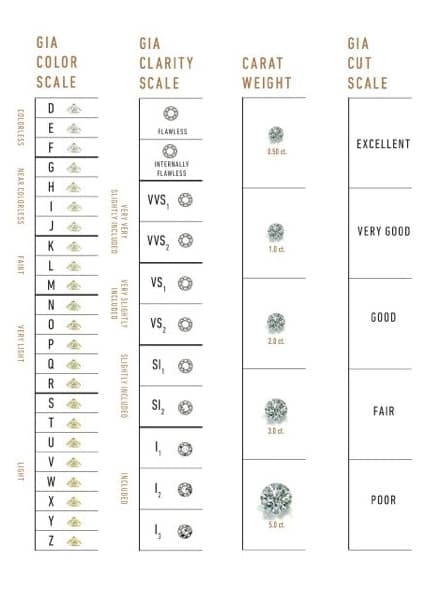
The 4Cs are the industry standard for evaluating diamond quality, and GIA created the system in the first place. Use it as a spending map: cut first, then the rest. GIA made the same point in its July 21, 2014 video, “How to Choose a Diamond: Four-Minute GIA Diamond Grading Guide”: do not buy on carat or price alone.
Cut
If you want the stone to look beautiful every time it catches the light, this is where to spend. Cut has the biggest visual payoff, which is why a smaller diamond with excellent cut can look brighter, livelier, and more elegant than a larger one with a mediocre cut.
Color and clarity
This is where you can usually save without feeling deprived, especially if the diamond will be set in a ring or pendant that does not demand a flawless, museum-like look. Compare quality factors instead of fixating on size. If the budget is tight, a slightly lower color or clarity grade with a stronger cut is usually the better trade.
Carat
Carat is the easiest number to obsess over and the least useful one to lead with. If the diamond is going into a wearable setting, the visual presence will come from proportion, shape, and cut, not just raw weight. A well-cut 0.50-carat stone can feel more polished than a bigger diamond that overwhelms the hand or sits awkwardly on a pendant chain.
Certification is where confidence comes from
Certification is the difference between buying something sparkly and buying something you actually understand. For natural and lab-grown diamonds alike, recognized reports from labs such as GIA and IGI matter because they tell you what the stone is, not just how it was photographed. That becomes even more important with lab-grown stones, where grading language is shifting.
In June 2025, GIA announced that it would no longer use the traditional color and clarity scale for lab-grown diamond reports, a major change in how those stones are talked about and shopped for. If you are considering lab-grown, ask for the report, check the lab name, and make sure the grading language is current. IGI remains a familiar name in diamond grading and report verification, and shoppers compare these certificates side by side.
Pick a shape and setting that works on a newborn schedule
This is the part most people get wrong. A ring can be gorgeous and still be impractical if it catches on clothing, hair, or a baby blanket. For a push present, the safest bets are the shapes and settings that sit close to the body: round brilliant stones, low-profile bezel settings, sturdy prongs, classic studs, and pendants that do not demand constant adjustment.
Round brilliant is the easiest shape to recommend if you want something that feels special and still lives well in the real world. Tiffany’s Elsa Peretti Diamonds by the Yard single diamond pendant in rose gold is $1,600, and the design is all about restraint, with a small diamond floating from a delicate chain rather than sitting high off the skin. Brilliant Earth’s Perfect 4-Prong Diamond Stud Earrings in 18K white gold, at 1/5 carat total weight, are $350.
If you want more presence, Brilliant Earth’s Perfect 4-Prong Lab Diamond Stud Earrings in 18K yellow gold are $825 for 1 carat total weight, while its Perfect 4-Prong Diamond Stud Earrings in platinum at 2 carats total weight are $9,500. The 1/4-carat Princess Diamond Stud Earrings in 18K white gold are $425 and read a little sharper and more architectural. For a truly high-luxury pendant benchmark, Cartier lists the Cartier d’Amour pendant, diamond, small model, at THB 49,900, and the LOVE necklace with three diamonds at 8,100 C$.
A practical buying formula that will not leave the diamond unworn
If you want the shortest possible roadmap, use this one:
- Put the budget into cut before size.
- Choose a recognized lab report from GIA or IGI.
- Favor low-profile settings, bezel if you want maximum security, or sturdy prongs if you want a lighter look.
- Consider studs or a pendant if she is unlikely to wear a ring every day.
- Use carat as the last decision, not the first.
This article was produced by Prism’s automated news system from verified source data, official records, and press releases, then run through automated quality and moderation checks before publishing. The system is built and supervised by the people who set the standards it runs under. Read our full AI policy.
Did this article answer your question?