How to choose a push present that feels personal and thoughtful
A thoughtful push present is less about price than timing, taste, and relief. The best ones feel chosen for one person, not bought for the occasion.
What a push present really means
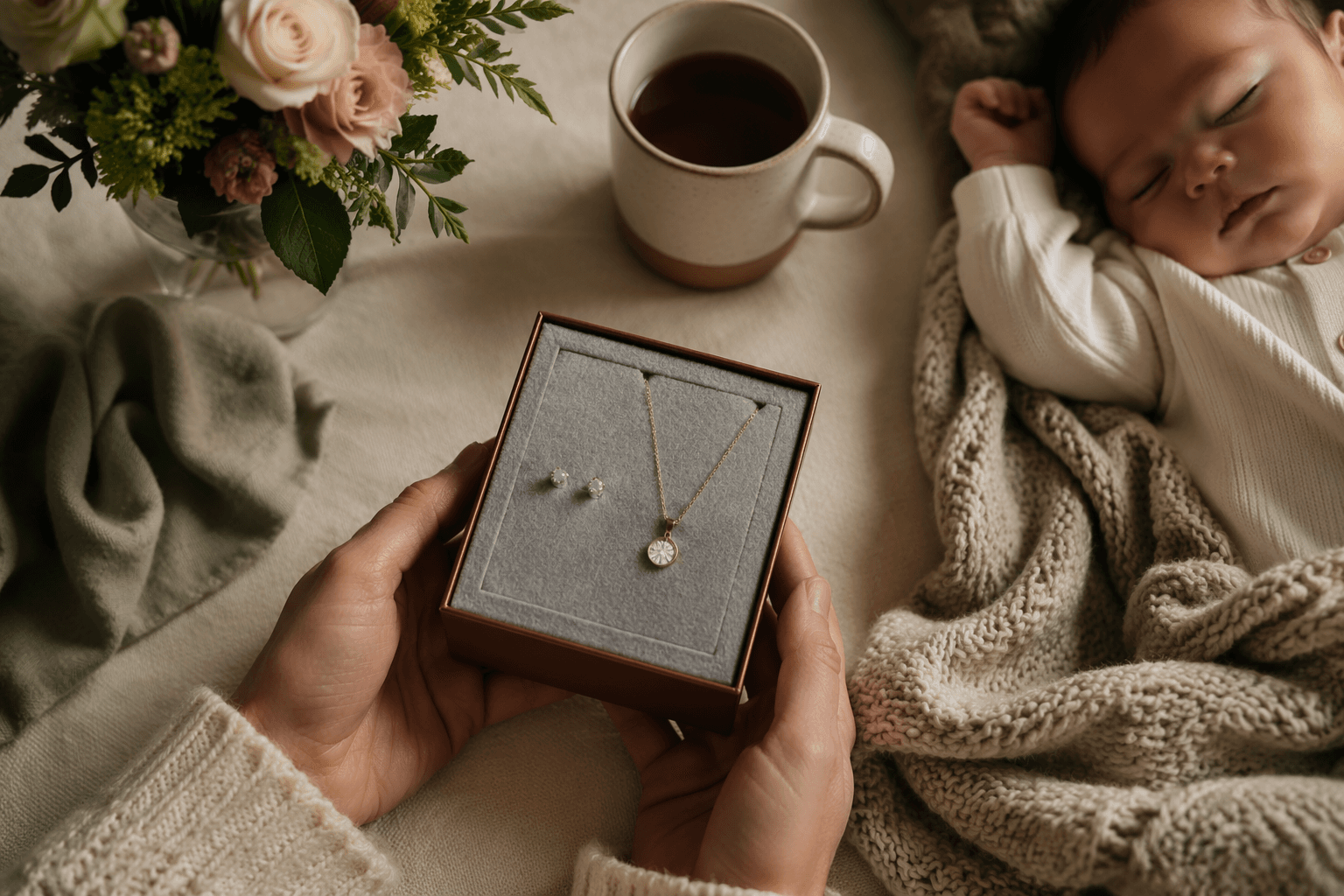
A push present should answer three simple questions: does it need to be expensive, when should it be given, and how do you make it feel personal instead of obligatory. The short answer is no, it does not need to be expensive, there is no single correct moment beyond the time around the baby’s birth, and the most successful gifts reflect the recipient’s taste rather than a generic idea of celebration.
The term itself is not a medical or legal category. It is a gift-trend label for a postpartum present given by a parenting partner to the pregnant person around the baby’s birth, and it can be as modest as a candle or robe or as grand as jewelry, a car, or a vacation. That range is exactly why etiquette matters here: the gesture should feel intentional, not performative.
How much should you spend?
There is no required budget, and the history of push presents makes that clear. Mainstream parenting coverage has described them as expected in some circles for years, yet later reporting showed more moms pushing back against the idea altogether. That tension is the point: this is not a universal ritual, so the best version should never feel like pressure to spend big.
A small, carefully chosen gift can feel far more luxurious than something expensive but generic. A candle in a scent she actually loves, a robe in the fabric she always reaches for, or a practical item that makes the first postpartum weeks easier can feel more considerate than a flashy object chosen to impress other people. If you want the present to read as thoughtful, make the gift about comfort, taste, or relief, not about scale alone.
When to give it
The cleanest answer is: around the time of the baby’s birth. Some people give the gift in the hospital, others at home once the immediate rush has passed, but the point is the same. It should feel tied to the transition into parenthood, not like a delayed afterthought or a public event that adds another obligation to an already intense moment.
That timing matters because the first days after delivery are not about presentation for most new parents. A push present works best when it acknowledges what the recipient has just gone through, then gives something useful, soothing, or deeply meaningful without demanding energy in return.
What makes it personal instead of generic
The strongest advice from The Bump is simple: choose based on personal preference. There is no harm in asking directly or hinting gently if you are unsure. That advice may sound obvious, but it is the difference between a gift that lands and a gift that sits in a drawer.
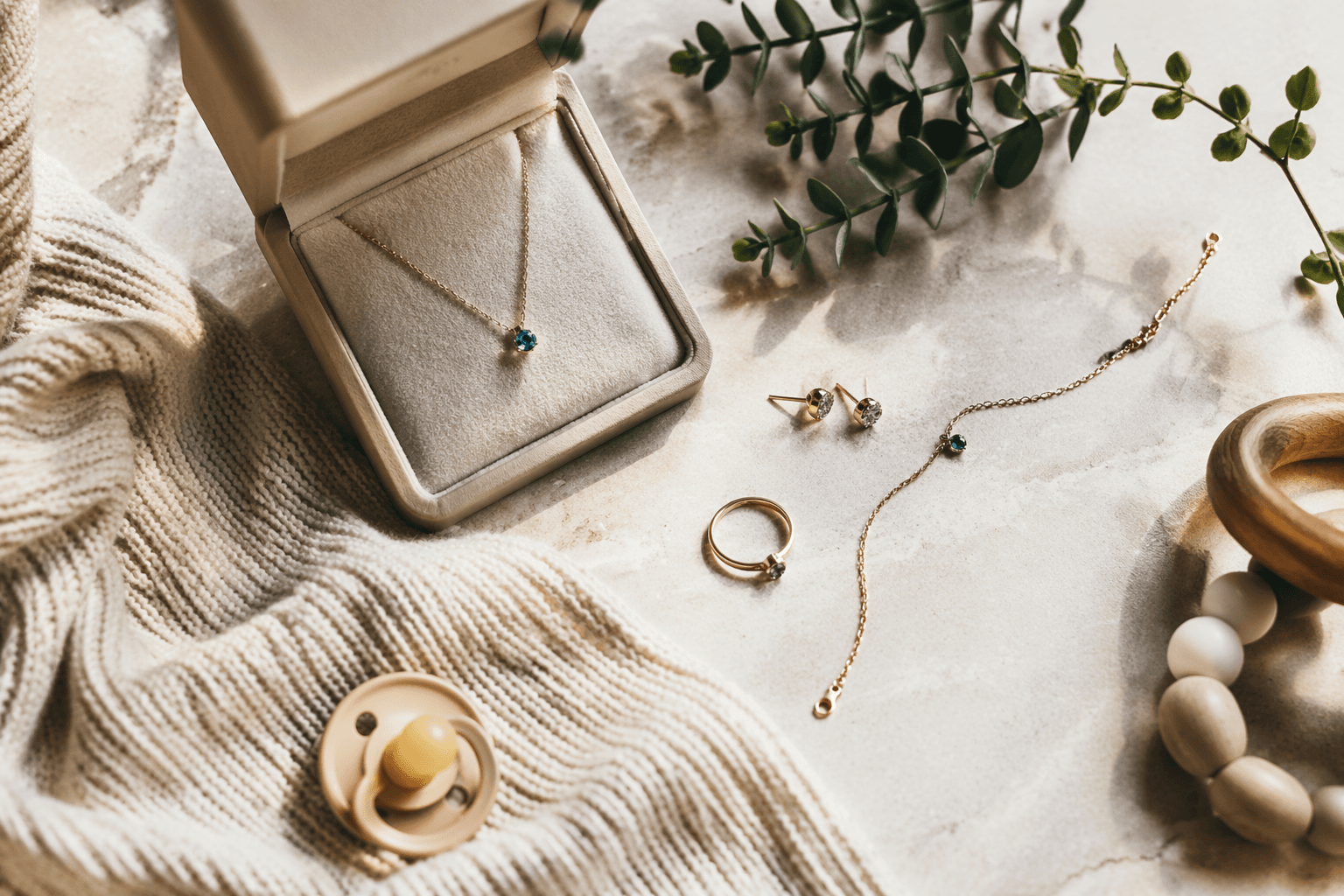
Sentimental jewelry remains one of the most popular answers because it can carry the story of the baby and the birth without becoming sentimental clutter. The Bump notes that many expectant moms put birthstone jewelry high on their wish lists, which makes a ring, pendant, or bracelet an especially strong choice if the recipient already likes jewelry. Jewelry has long carried meaning beyond decoration too: in human history it has served as a sign of social rank and as a talisman, and Victorian-era traditions in Britain and the United States made sentimental adornment a language of keepsakes. That history is part of why a carefully chosen piece can feel so emotionally exact.
The other route to personalization is practicality. TODAY’s coverage of real postpartum gifts shows that many new parents would rather receive help, food, or recovery support than appearance-focused gifts. Food you can eat with one hand, a stocked freezer, or help that lightens the recovery load can feel more loving than lingerie or anything that assumes the new mother is thinking about looking polished. If she would value rest over romance, choose accordingly.
Six thoughtful directions that work at different price points
- A robe or candle for calm, immediate comfort
This is the low-key option that still feels considered. A soft robe, a favorite fragrance, or a small candle is ideal for someone who values comfort and quiet more than ceremony. It is especially good when you want the gesture to feel warm and personal without turning the moment into a spending contest.
- Food and recovery support for the first weeks home
This is the practical choice, and it can be one of the most appreciated. Think one-handed meals, prepared food, or anything that makes recovery easier. It is best for a partner who would rather have help than jewelry, and it has the advantage of being useful immediately.
- Birthstone jewelry for a sentimental milestone
This is the elevated, highly specific gift that feels both celebratory and intimate. A birthstone ring, pendant, or bracelet works because it marks the baby without becoming showy for the sake of it. It is a strong pick when the recipient likes personal jewelry and would appreciate a keepsake she can wear long after the newborn haze fades.
- A piece of baby gear, but only if it matches her taste
The Bump’s guidance is clear that baby gear can be a good push present if it fits the recipient’s preferences. This is not the time for a random stroller or a bulky item chosen for convenience alone. It works best when she has already expressed interest in a specific style, feature, or brand.
- A fine jewelry piece with heirloom energy
If you want a more luxurious gesture, choose something with craftsmanship and lasting wear, not just sparkle. A beautifully made necklace or bracelet can feel more enduring than a trend-driven accessory, especially because jewelry carries such strong historical associations with memory, status, and talismanic meaning. The key is restraint: make it something she would genuinely wear, not something that only reads as expensive.
- A larger experience or major-ticket gift, such as a car or vacation
This is the grandest end of the spectrum, and it should only happen when it truly suits the household and the recipient. TODAY has long described push presents that can range all the way to cars and vacations, but bigger is not automatically better. If the gift does not reflect her actual life, it stops being thoughtful and becomes theatrical.
The etiquette that keeps it elegant
The best push presents are not defined by price tags or by how loudly they announce themselves. They feel right because they are timed well, tailored closely, and chosen with enough attention that the recipient can see herself in the gift. That is what separates a polished gesture from a forgettable one: the present should say you noticed what she loves, what she needs, and what the moment really means.
This article was produced by Prism’s automated news system from verified source data, official records, and press releases, then run through automated quality and moderation checks before publishing. The system is built and supervised by the people who set the standards it runs under. Read our full AI policy.
Know something we missed? Have a correction or additional information?
Submit a Tip