Listener-loved Mother’s Day gifts prove thoughtful gestures matter most
The gifts people keep retelling are the quiet ones: soup, notes, rituals, and small gestures that make motherhood feel seen.
The gifts that linger are usually the ones that feel personal
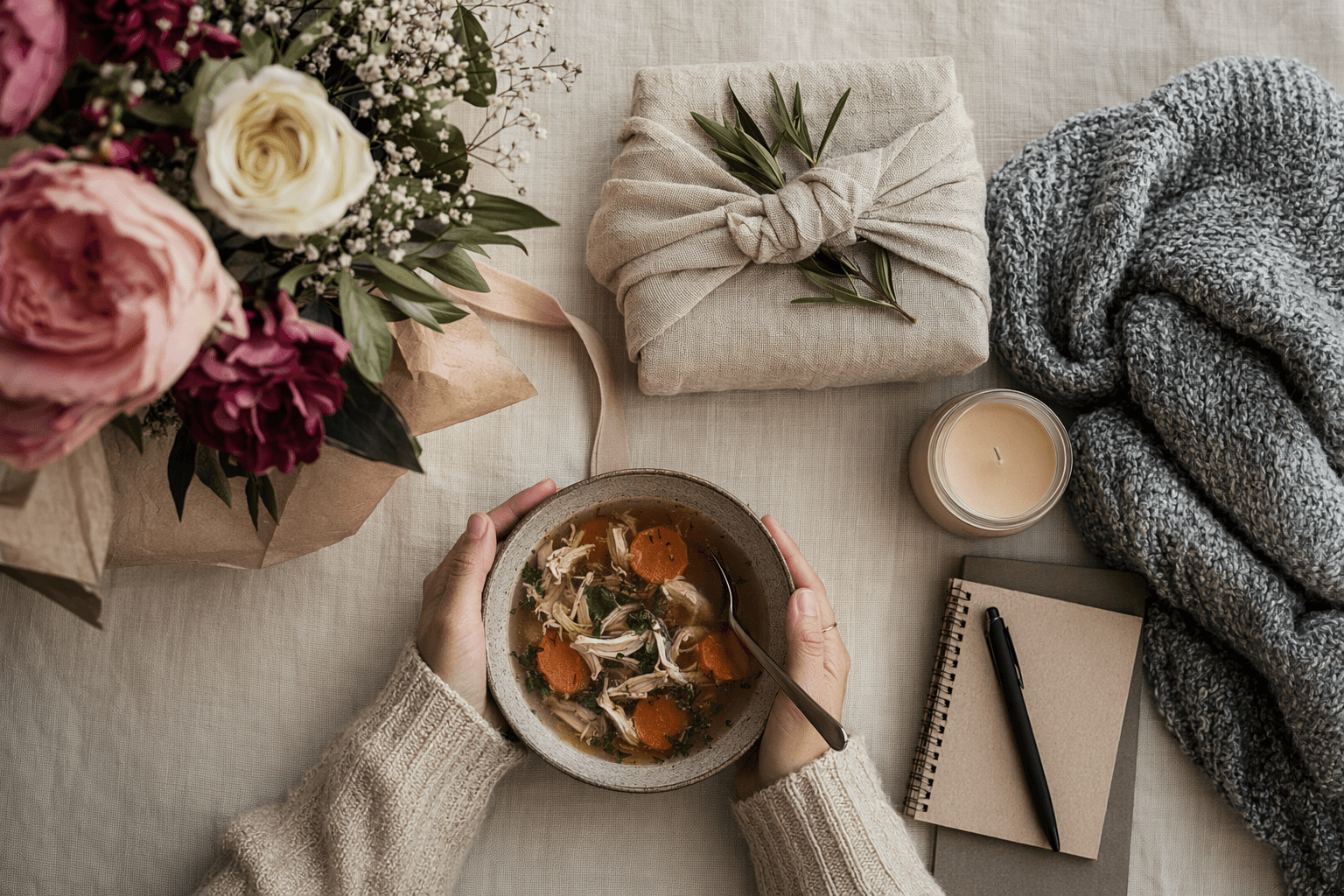
A listener’s first Mother’s Day memory was not a big box or a flashy splurge. It was homemade chicken soup and a handwritten note, the kind of gesture that feeds somebody, marks a milestone, and becomes family lore because it was so clearly made for one person at one moment.
That is the real lesson hiding inside Mother’s Day gifting, and it matters even more when push presents enter the conversation. The most memorable gifts rarely announce their price. They signal care, recovery, recognition, and a little bit of ceremony, which is why the best ones often cost less than the things shoppers are trained to click on first.
Mother’s Day was built as a ritual, not a retail category
In the United States, Mother’s Day falls on the second Sunday in May, which makes 2026’s observance May 10. The holiday traces back to Anna Jarvis’s campaign, with the first official church observance in 1908 in Grafton, West Virginia, and national recognition arriving in 1914. The original symbolism was simple, too: HISTORY says Jarvis sent 500 white carnations to that first observance, and the flower became closely tied to the day.
That origin story matters because Jarvis later criticized the commercialization of the holiday she helped create. She wanted a day of recognition, not a shopping ritual, and that tension still defines how people feel about Mother’s Day gifts now. A thoughtful gesture lands differently when it feels like acknowledgment instead of obligation.
The numbers show how far the holiday has moved into the mainstream marketplace. The National Retail Federation has tracked Mother’s Day spending since 2003, and its 2026 survey expects a record $38 billion in total spending. Shoppers are budgeting an average of $284.25 per person, and 84% of U.S. adults say they plan to celebrate. Jewelry, flowers, and special outings remain the biggest gift categories, which tells you plenty about what the average buyer still thinks counts as a good present.
Push presents sit inside that same emotional tug-of-war
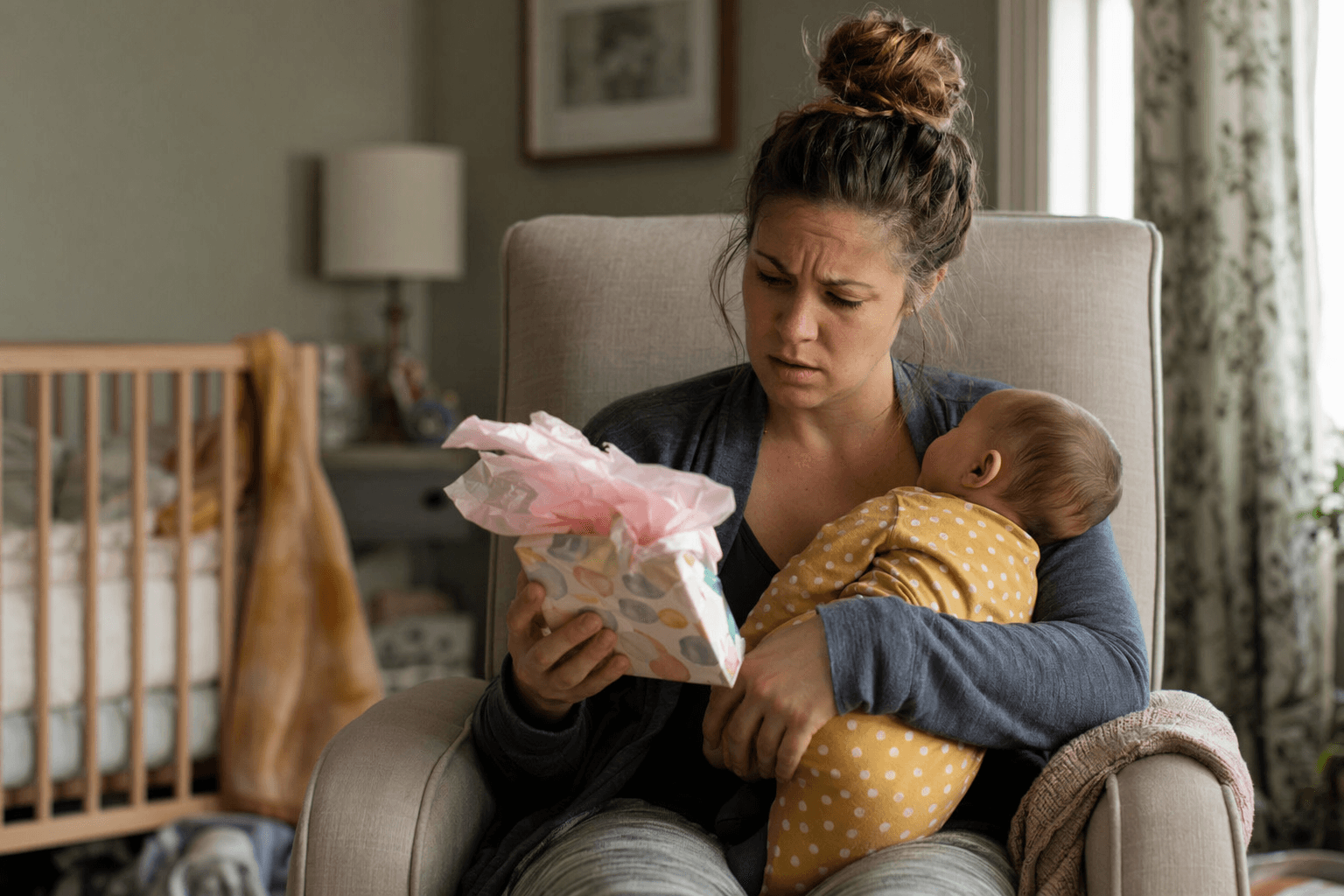
Push presents have become a newer, more debated part of the postpartum gift landscape. TODAY describes them as gifts given around the time of a baby’s birth, and the range is wide enough to include candles, bathrobes, jewelry, cars, or vacations. That spread is part of the problem and part of the appeal: the idea can be sweet, excessive, symbolic, or all three at once.
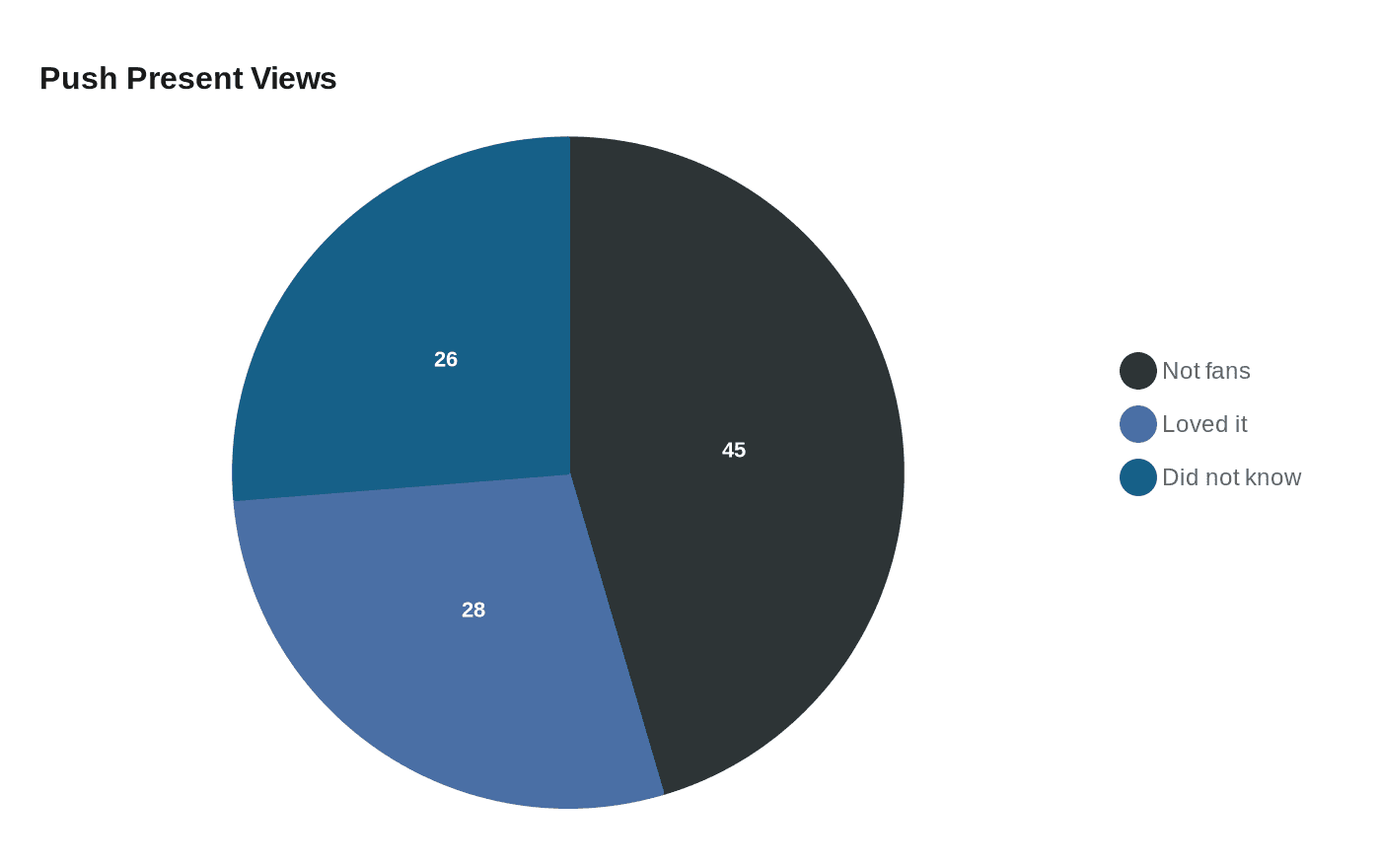
The concept still divides people. In a 2015 TODAY survey of nearly 8,000 respondents, 45% said they were not fans of push presents, 28% loved the idea, and 26% did not know what they were. TODAY also noted in 2024 that the concept can spark backlash, while TheGrio has pointed out that the phrase itself can feel exclusionary because it centers one type of birthing experience. In other words, even before you get to the gift, you are already in a cultural argument.
That is exactly why the best push-present alternatives are often the least performative. A handwritten note, a home-cooked meal, or any gift that eases the day instead of dressing it up tends to hit harder than a luxury object. The point is not to prove you spent money. The point is to recognize what has actually happened to somebody’s body, schedule, and life.
What actually becomes family lore
The soup-and-note story works because it solves something practical and emotional at once. It says, I see you, and it also says, I brought dinner. That combination is hard to beat, especially in the first stretch after birth, when attention is scarce and small acts of relief feel enormous.
The same logic explains why carnations took hold so quickly. A white flower, sent in an exact number to a specific observance, is not a big spend. It is a symbol with a story, and stories are what people keep. That is why a gift does not need to be expensive to feel formal, and why a ritual can become more meaningful than any object bought off a list.
If you want a gift that actually resonates, think less about category and more about what the gesture does.
- For the new mother who needs recovery support, food and care beat novelty every time. A cooked meal, a meal train, or another practical gesture says this day is about rest, not performance.
- For the sentimental mom, the handwritten note is still undefeated. It costs almost nothing and outlives most flowers, because it can be saved, reread, and passed around the family later.
- For the mom who likes tradition, flowers still work, especially when they are tied to a ritual instead of dropped on the doorstep as an afterthought. That is why the carnation remains such a durable symbol.
- For the person tempted by a bigger push present, remember the category already includes everything from bathrobes to jewelry to vacations. The stronger choice is the one that reflects the person and the moment, not the size of the purchase.
Why smaller can feel bigger now
Motherhood itself looks different than it did a decade ago. Pew Research Center says the average age at first birth in the U.S. was 27.3 in 2021, up from 25.6 in 2011. That shift is not a gift guide in itself, but it helps explain why many people now treat motherhood milestones with more intention, more deliberation, and less interest in throwing money at the problem.
So yes, Mother’s Day has become a huge spending moment, and push presents have become part of the modern gift vocabulary. But the most successful gifts still follow the oldest rule in the book: make the person feel known. A note, a meal, a flower, or a ritual that can be repeated every year will outlast the expensive thing bought in a hurry, and that is usually the gift everybody remembers.
Know something we missed? Have a correction or additional information?
Submit a Tip