Popular Science updates Mother’s Day gift guide with tested, budget-spanning picks
Push presents work when they feel specific, not expensive: think comfort, keepsakes, and gifts that still make sense when bought late.
The new rule of last-minute gifting
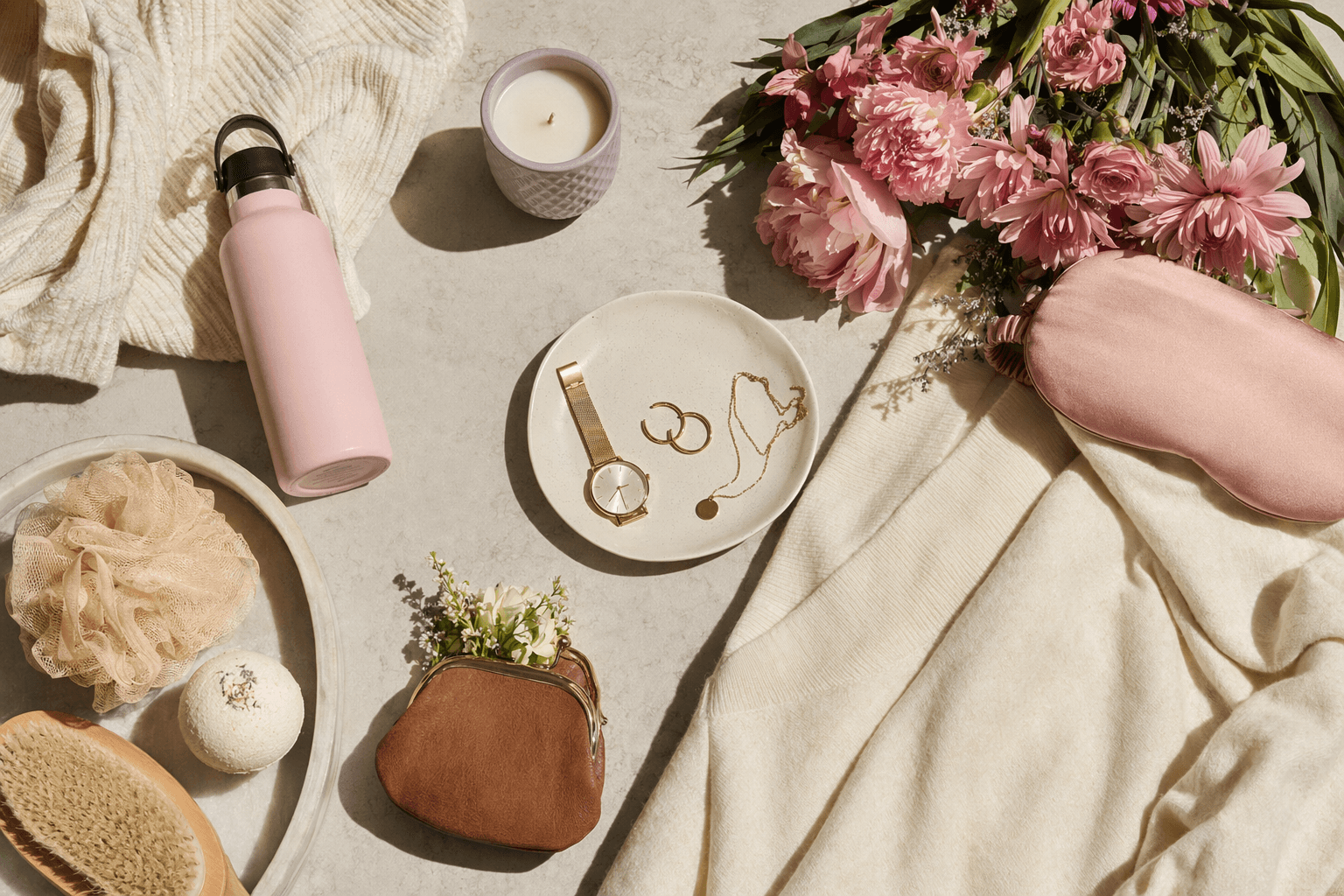
The smartest late gift is the one that does not look late. Popular Science’s updated Mother’s Day guide is built like a last-minute shopping resource, but it still aims for something rarer than convenience: a present that feels chosen, not grabbed. That matters this year because Mother’s Day in the United States falls on Sunday, May 10, 2026, and the holiday still carries the weight of a national ritual, not just another calendar reminder.
The scale is enormous. The National Retail Federation expects Mother’s Day spending to hit a record $38 billion in 2026, with shoppers planning to spend a record average of $284.25 per person. The NRF also says 84% of U.S. adults plan to celebrate, and 54% of celebrants expect to buy for their mother or stepmother. In other words, this is not a fringe occasion anymore. It is one of the biggest emotional spending moments of the year, which is exactly why the difference between thoughtful and generic matters so much.
Why this holiday still carries old baggage
Mother’s Day has always had a built-in tension between meaning and commerce. Anna Jarvis created the American incarnation of the holiday in 1908, and it became an official U.S. holiday in 1914, after President Woodrow Wilson set it as the second Sunday in May. Jarvis later denounced the holiday’s commercialization, and that complaint still hangs over every rushed bouquet, spa card, and overnight delivery.
That history is part of why a good gift guide has to do more than list things to buy. It has to help you avoid the obvious trap: confusing speed with sincerity. A last-minute present can still feel deliberate if it solves a real need, marks a moment clearly, or gives someone a small but meaningful lift in daily life. The holiday’s origin story makes the point for you: this was always supposed to be an act of recognition, not a transaction with bows on it.
Push presents, explained without the cringe
Push presents are part of the same conversation, just with the stakes turned up by childbirth. The term usually refers to a gift given to a mother around the time of a baby’s birth, commonly by a partner. Coverage around the idea has described push presents as ranging from a sweet-smelling candle or soft bathrobe to jewelry, cars, or vacations, which tells you how elastic, and how loaded, the category has become.
That flexibility is also why push presents can be divisive. Some people see them as a meaningful acknowledgment of pregnancy, labor, and postpartum recovery. Others dislike the implication that childbirth should require a gift at all. The most useful way to think about them is not as an obligation, but as a language of appreciation: a way to say, this changed your body, your routine, and your life, and I noticed.
What still feels thoughtful when you buy late
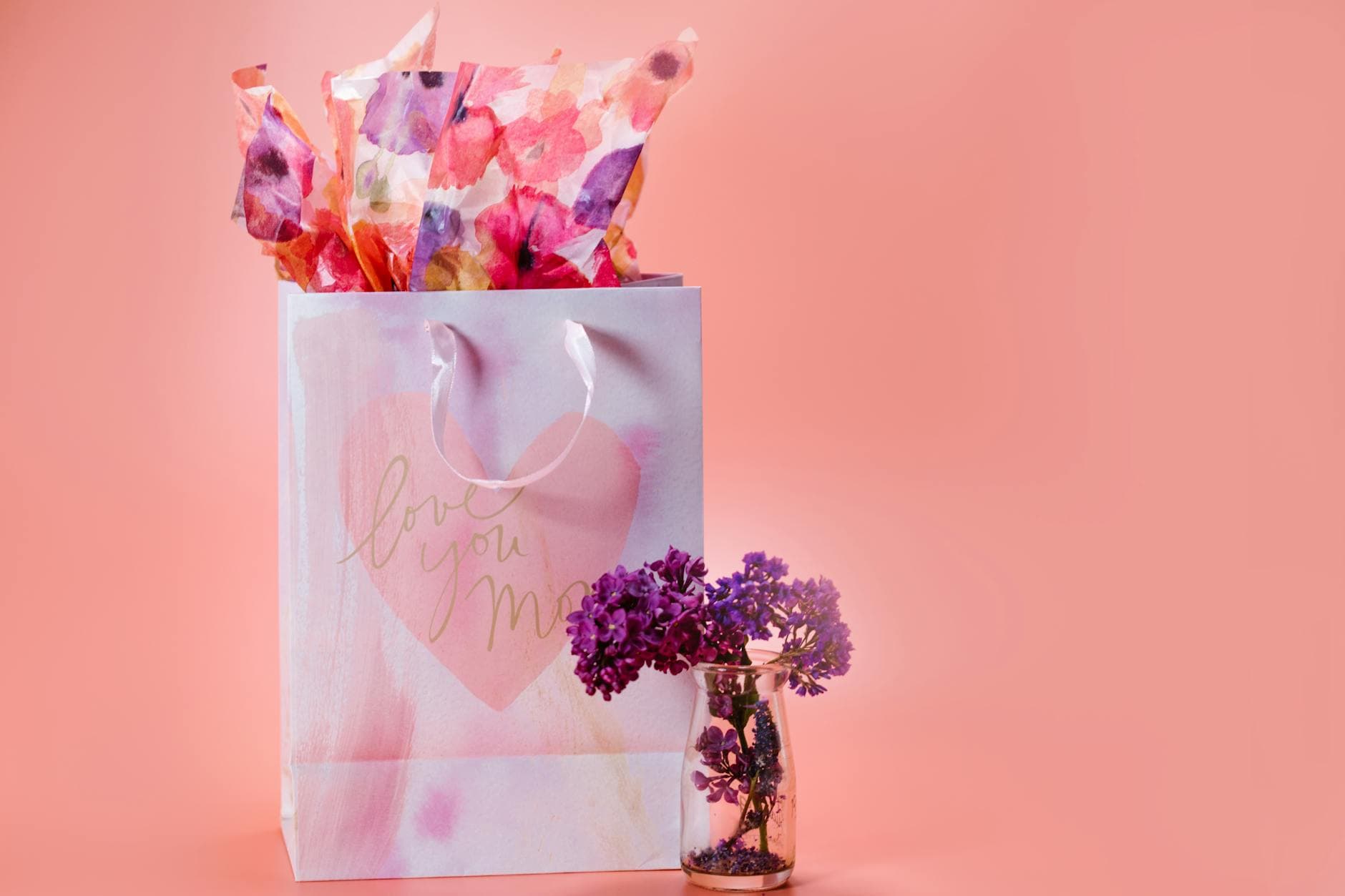
The best late gift is usually the one that has a job. A bathrobe works because it lives in the real world of sleepless nights, feedings, and exhaustion. A candle works because it changes the atmosphere of a room with almost no effort. Jewelry works because it does not disappear into the clutter of newborn life; it becomes a keepsake with a memory attached. Those are different gifts, but they all do the same thing: they create relief, comfort, or permanence.
That is why a budget-spanning guide is more useful than a pile of flashy options. If the national average spend is $284.25, you do not need to pretend every gift should behave like a luxury purchase. A $35 candle can be the right answer if it gives a parent one quiet hour at the end of the day. A $120 robe can be the right answer if it becomes the one thing she wants to wear at home. And if the budget is larger, the category already has room for it, from jewelry to a vacation, without forcing every gift into the same emotional register.
- Choose comfort when sleep is scarce and the house feels like a work site.
- Choose a keepsake when you want the gift to outlast the newborn haze.
- Choose a larger experience only when it fits the relationship, the budget, and the actual moment.
Why tested picks beat generic filler
Popular Science’s approach matters because testing changes the whole calculus. A specialist-vetted list does not just tell you what exists; it tells you what is worth giving when time is short. That is the difference between a gift that looks like a backup plan and one that looks like it was chosen by someone who understands the person well enough to skip the clichés.
The smartest practical rule is simple: avoid anything that is only doing the work of appearing generous. The best last-minute gifts are specific enough to feel personal, useful enough to matter immediately, and durable enough to avoid the fate of filler. That is what made Mother’s Day vulnerable to commercialization in the first place, and it is also the reason a modern guide has to be so careful. The right present does not just fill a gap on the calendar. It makes the day feel considered, which is still the hardest gift to fake.
Know something we missed? Have a correction or additional information?
Submit a Tip