Push presents spark a rise in personalized milestone jewelry
Push presents are becoming collectible milestone jewelry, with customization, birthstones and heirloom details steering the smartest gifts. Diamonds still anchor the splurge tier.
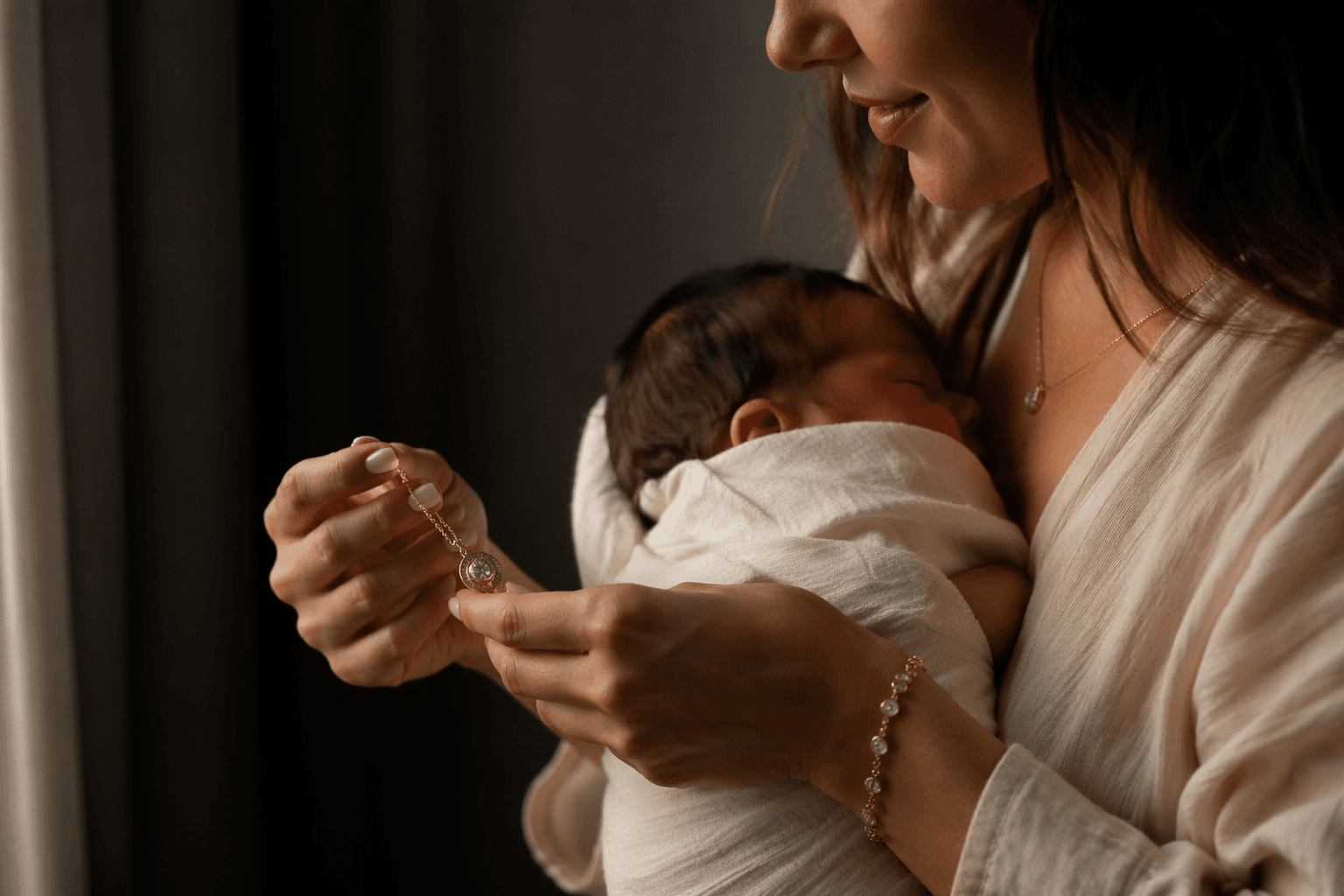
In De Beers’ latest U.S. study, three-quarters of U.S. diamond demand came from non-bridal occasions, and push presents have moved from sentimental afterthought to the front line of milestone jewelry. The new version is far more personal than a generic diamond ring: monogrammed pendants, birthstone bracelets that stack over time, and recycled-gold pieces built to outlast the newborn phase.
The new push present is a story, not just a token
The strongest push presents now carry a clear narrative. A customizable pendant can mark a birth date, a charm bracelet can grow with each child, and a birthstone piece can feel more intimate than a standard band because it points to one specific person, one specific moment. In The Bump’s social media survey, 34 percent of respondents said they received a push present and 38 percent said they did not but wished they had.
That same appetite for meaning is visible well beyond motherhood. De Beers found that personal motivations, including a new job, a promotion, an achievement or a “just because” purchase, are increasingly driving diamond buys in the United States. Jewelry designers are responding with pieces that feel collected, expressive and a little unexpected, rather than polished into sameness. Jillian Sassone described 2026 jewelry as “sculptural, statement-making and personal,” while Ashley Moubayed said people are craving “connection to history, touch and process.”
What the market says about spending
The 2026 U.S. Diamond Acquisition Study surveyed 18,500 women ages 18 to 74 and found that natural diamonds are the most desired luxury jewelry item in the U.S. market. The study also found that average prices for natural diamond jewelry rose to $4,063 per piece in 2025, up from $3,242 in 2023.
There is also a sharp generational split in spend. Gen Z is spending almost double what Baby Boomers spend when buying natural diamonds, at $4,080 per piece versus $2,250.
For the new parent who wants something she will wear every day
If you want the safest, most emotionally durable push present, start with customizable jewelry. An engraved pendant or a bracelet with a baby’s birthstone gives the gift a permanent reason to be worn, not just saved. Customizable jewelry and birthstone bracelets are where the category feels most useful: pieces that can be layered later with anniversary gifts, milestone charms or another child’s birthstone.
This is the right lane if you want intimacy without overcommitting to a big, ornate object. It is also the best choice if the wearer prefers jewelry that slips into an existing wardrobe rather than announcing itself. Keep the design simple, because the personalization is already doing the emotional work.
For the parent who wants fashion first, sentiment second
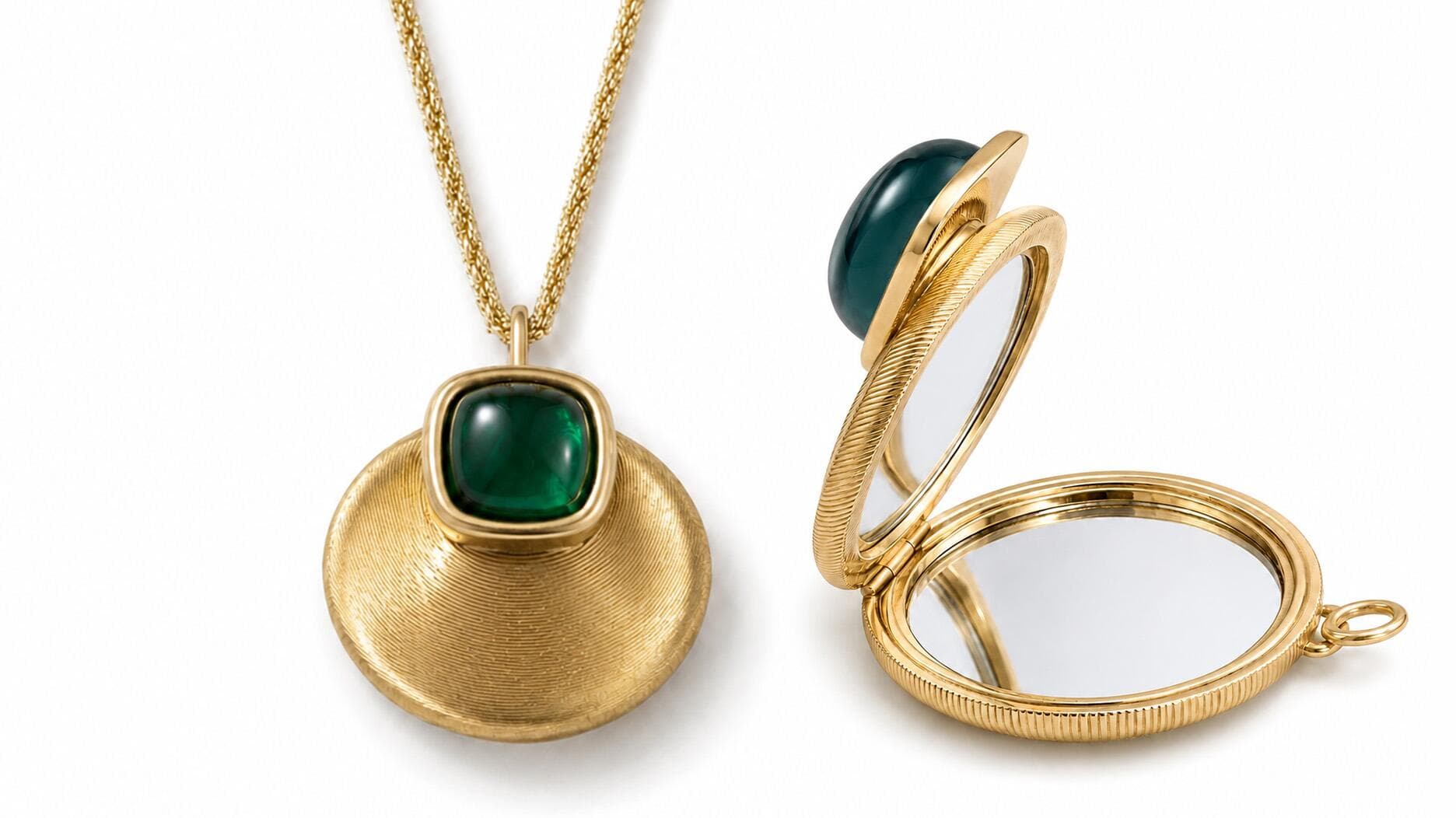
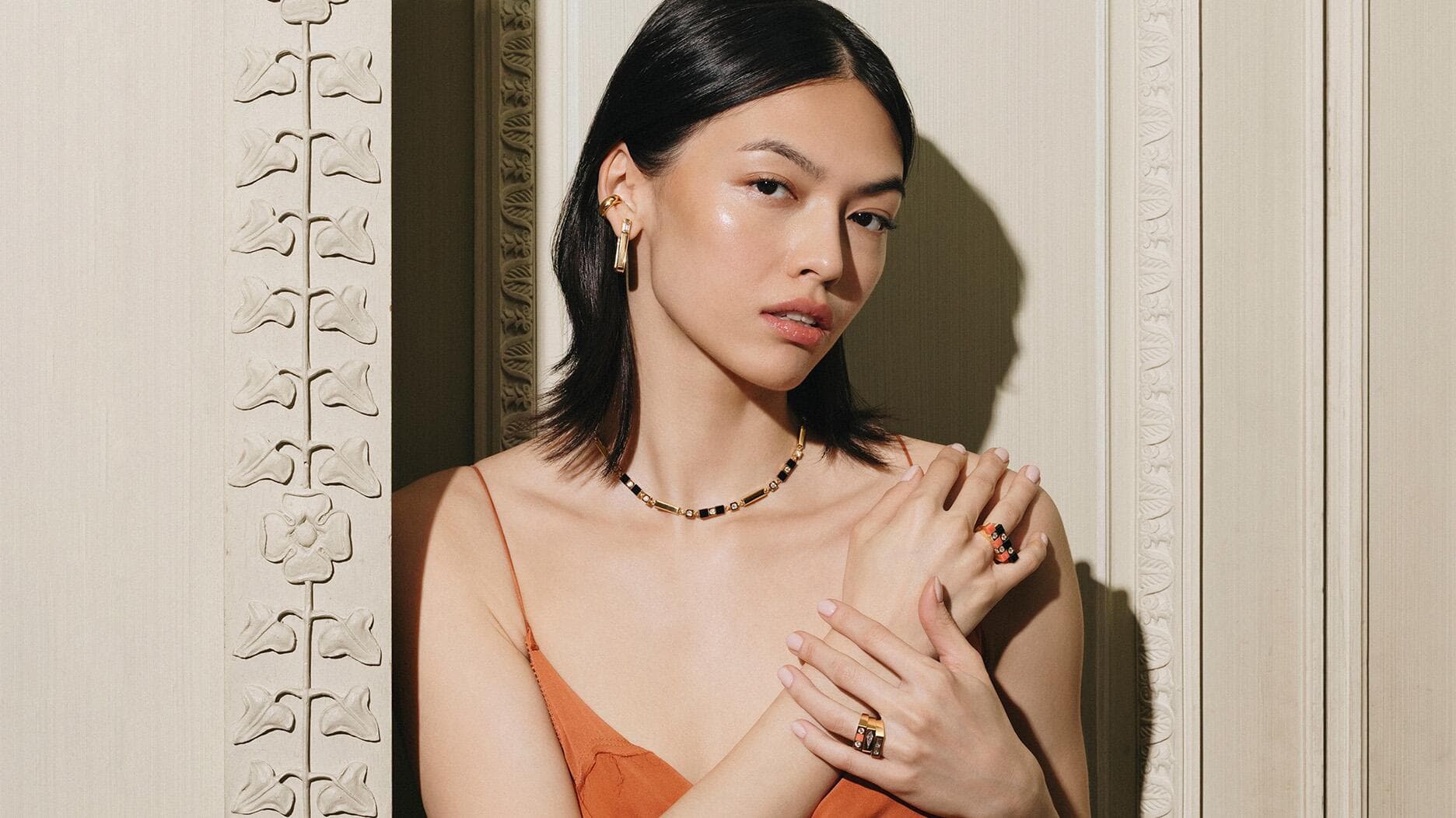
Personalization is taking center stage, with colored gemstones, artisan finishes, mixed metals and meaningful details shaping demand. That translates neatly to push presents. A mixed-metal stacking ring or a colored-stone pendant feels current now and still reads as a keepsake later.
This is also where charm bracelets come back with real force. A good charm bracelet can start with one symbol and expand over time, turning a single birth into a larger family archive. If you are choosing for someone who already loves jewelry, the smartest move is not to duplicate what she owns, but to add a piece with a different finish, a bolder color or a more handmade edge.
For the heirloom-minded buyer
Gold still matters, but the way it is being used is changing. Higher gold prices are affecting how designers make and position jewelry in 2026, pushing the market toward smaller-batch pieces, alternative materials and designs that feel more emotionally resonant. That makes recycled-gold artisan jewelry especially relevant right now. It carries the environmental and material story in the object itself, and it often looks less precious in a stiff way, more like something meant to be worn hard and kept.
This is also the category where a natural-diamond piece makes sense if you want the gift to feel definitive. At De Beers’ 2025 average of $4,063 per piece, natural-diamond jewelry sits in the clear splurge tier. A small diamond pendant, a single-stone band or a clean stacking ring can do that without feeling overbuilt.
The unexpected piece that now feels right
Searches for “brooch aesthetic” were up 110 percent in Pinterest’s 2026 trend report, alongside rising interest in heirloom jewelry and maximalist accessories. That does not mean every push present should become a brooch, but it does mean the old rules about what counts as a meaningful milestone piece are loosening fast.
For a new parent who loves fashion history, a brooch, a statement pendant or a more sculptural jewel can feel fresher than another dainty initial necklace.
This article was produced by Prism’s automated news system from verified source data, official records, and press releases, then run through automated quality and moderation checks before publishing. The system is built and supervised by the people who set the standards it runs under. Read our full AI policy.
Did this article answer your question?