Push Presents That Support Recovery, Self-Care, and the Fourth Trimester
The smartest push present is the one that eases the fourth trimester. Babylist’s mom-first registry advice puts recovery, rest, and real help ahead of baby-only clutter.
The fourth trimester is the real registry story
The best push present is rarely the one that looks most giftable. It is the one that makes the first weeks after birth feel less chaotic, which is why postpartum care belongs in the registry conversation from the start. ACOG treats recovery as a “fourth trimester,” with contact recommended within the first three weeks after birth and a comprehensive visit no later than 12 weeks postpartum.
That framing matters because the emotional stakes are real. CDC says about 1 in 8 women with a recent live birth report symptoms of postpartum depression, and its research found depression diagnoses at delivery were seven times higher in 2015 than in 2000. For immediate support, the National Maternal Mental Health Hotline is free, confidential, and available 24/7 at 1-833-TLC-MAMA, with trained counselors reachable by call or text.
Recovery
This is where a mom-centered registry starts to correct the usual baby-only bias. Babylist’s guidance now makes room for postpartum, nursing, and self-care products meant for the mother, because the baby’s biggest need is a happy and healthy parent. That means the right gift may live in the hospital bag first and the nursery never.
Recovery gifts work best when they solve an actual first-week problem: soreness, swelling, bathroom trips, and the constant feeling that every movement takes effort. A tightly edited recovery kit can be a modest spend, while a premium robe or a fuller comfort package becomes a larger splurge, but the point is the same. If the gift is built around comfort and ease, it will matter long after the ribbon comes off.
Sleep and feeding
Sleep is the first thing to disappear in the fourth trimester, so the most useful gifts are the ones that protect a little rest. That might mean covering a meal, taking over a chore, or making the house quieter and easier to live in for a few days. A gift card can be practical here, but a scheduled act of help is even better because it removes an item from the mental queue.
Feeding support deserves the same level of thought. Whether the parent is breastfeeding, pumping, combination feeding, or simply trying to make feeding less of a production, nursing-friendly pieces and supplies can save time and frustration. These are not decorative gifts; they are tools that reduce the number of steps between exhaustion and one less hard moment.
Hygiene and self-care
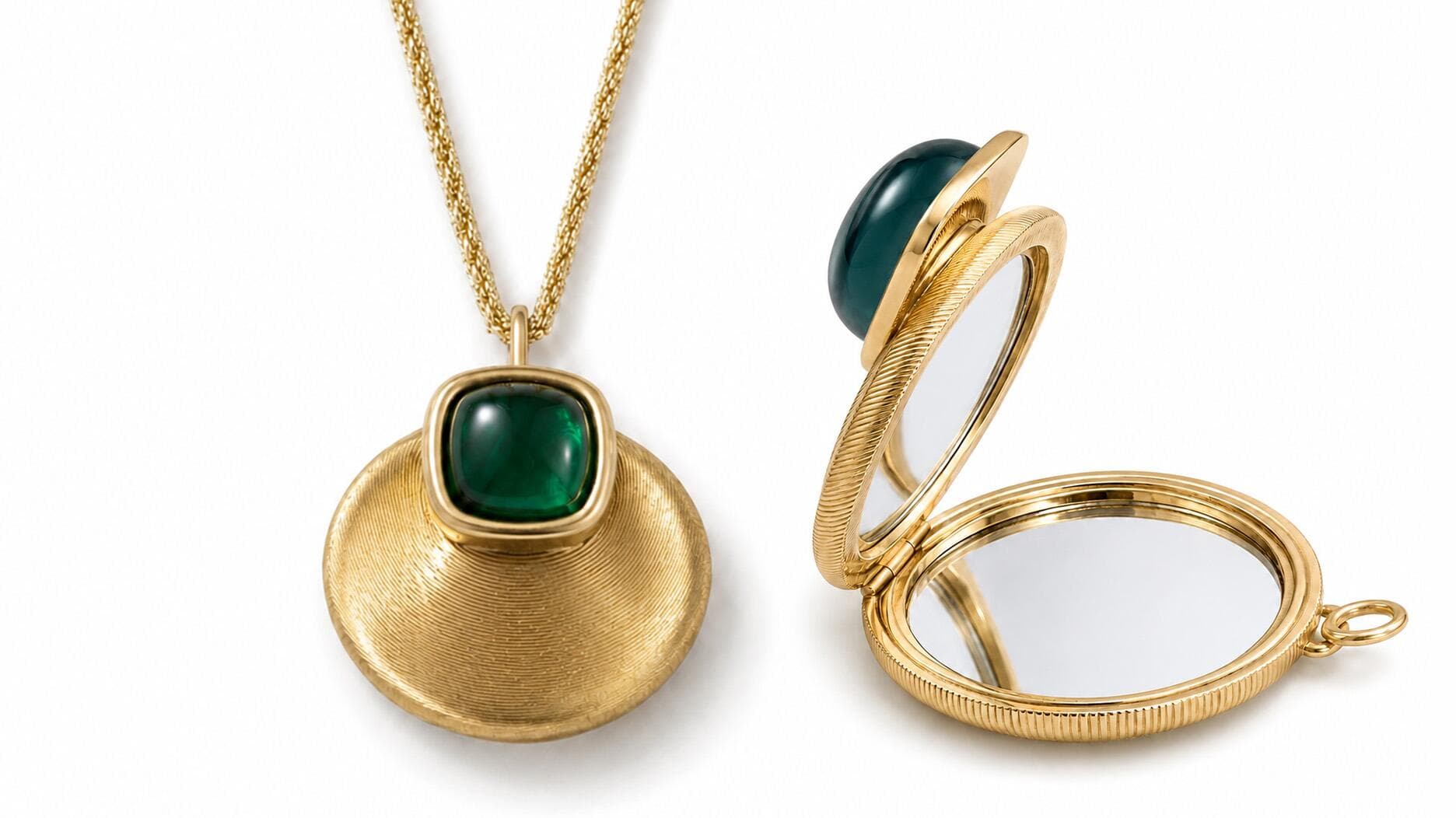
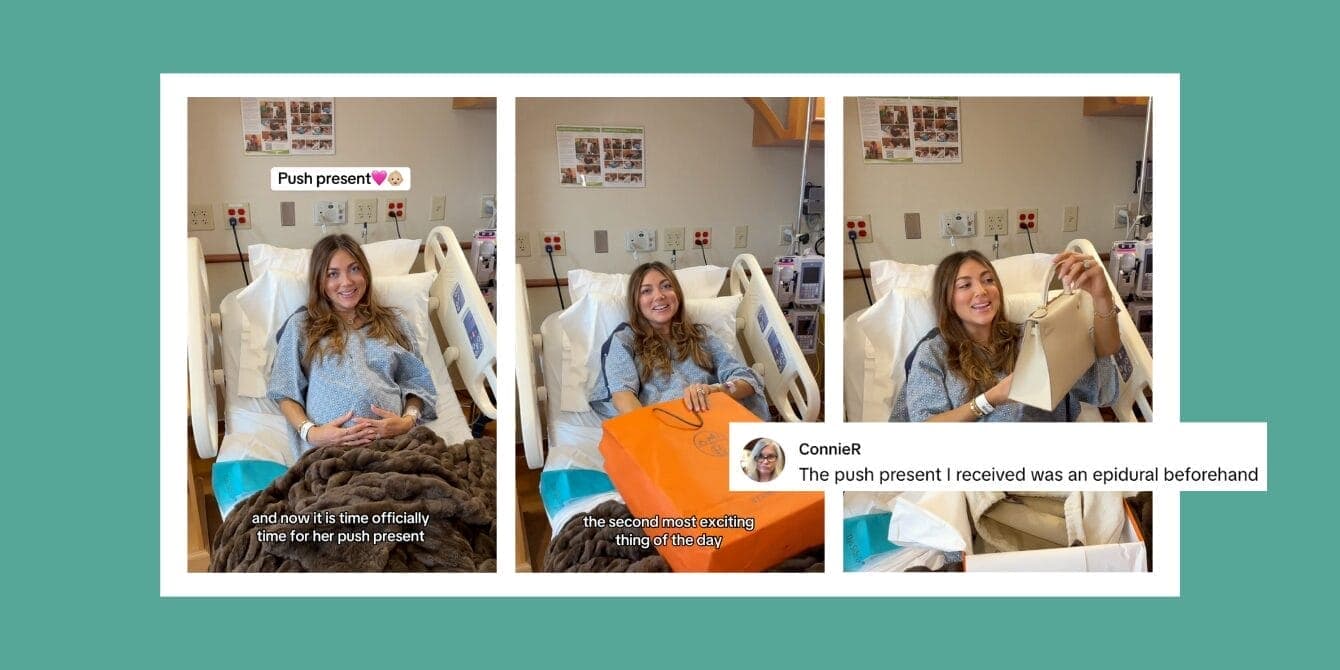
Self-care lands best when it restores dignity rather than adding another task. A robe, a beautifully chosen bath or body item, or even a small comfort object can feel luxurious in this period because it makes getting clean, getting dressed, or simply getting through the day feel more manageable. TODAY describes push presents as gifts given around the time of a baby’s birth, and its examples range from candles and bathrobes to jewelry, cars, or vacations.
That range is useful because it shows how wide the category can be. A bathrobe is not a flashy gesture, but in the fourth trimester it can feel more thoughtful than something far pricier that gets used once. Luxury here is not about excess; it is about choosing something that works immediately and beautifully.
Help is the real high-end gift
Babylist says some of the nicest postpartum help people receive is an act of service, especially meal drop-offs and babysitting. That is the clearest sign that the most valuable support is often the least photogenic. A new parent does not just need objects. She needs fewer decisions, fewer errands, and fewer reasons to leave the couch.
This is also where gift cards become genuinely smart. Food delivery, groceries, and other practical services can be more useful than another bouquet, especially when the household is trying to function on little sleep. A $50 gesture can feel more luxurious than a $500 one if it solves an immediate problem with precision and care.
Why push presents still matter
The tradition is not as simple as the name makes it sound. TODAY describes push presents as a gift around the time of birth, and Motherly’s community poll shows how mixed the feeling still is: 35% said they had received one, 3% expected one soon, and 62% said no. That split is exactly why the most successful version of the gift is not transactional.
It should acknowledge labor, recovery, and the invisible work that follows delivery. A gift that reflects that reality feels culturally meaningful without trying too hard, and it gives the occasion emotional weight without turning it into a shopping script. The strongest push presents are the ones that honor the mother’s body and the life she is stepping back into at the same time.
The clearest formula
If you want the gift to feel elevated, pair one tangible comfort with one form of help. A recovery kit plus a meal drop-off, a robe plus babysitting coverage, or a nursing-friendly piece plus a gift card all do the same thing: they reduce friction. In the fourth trimester, that is the true definition of luxury, and it is the kind of gift that actually earns its place in the home.
This article was produced by Prism’s automated news system from verified source data, official records, and press releases, then run through automated quality and moderation checks before publishing. The system is built and supervised by the people who set the standards it runs under. Read our full AI policy.
Did this article answer your question?