What is a push present, and why the term divides parents
The push present has shifted from jewelry marketing to postpartum acknowledgment, but the term still sparks debate over pressure, price and meaning.
The meaning of a push present
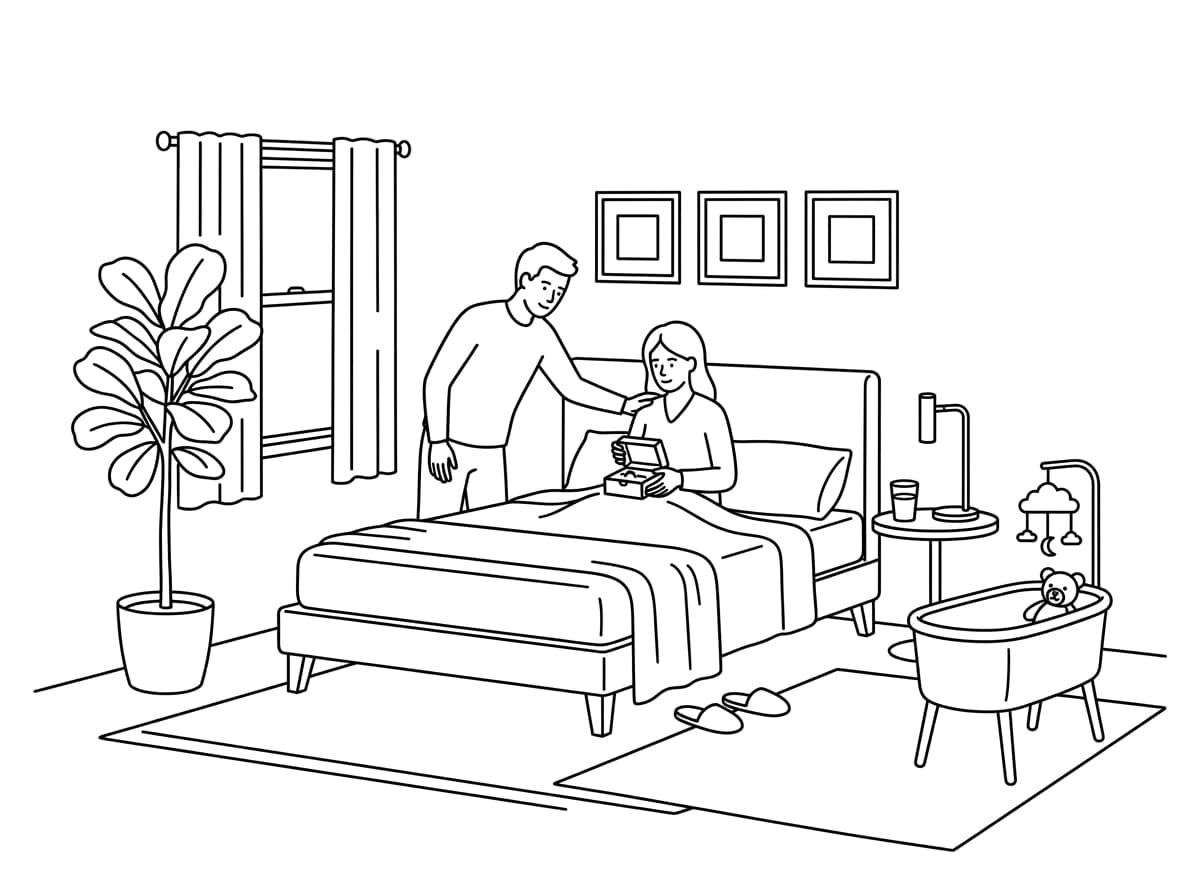
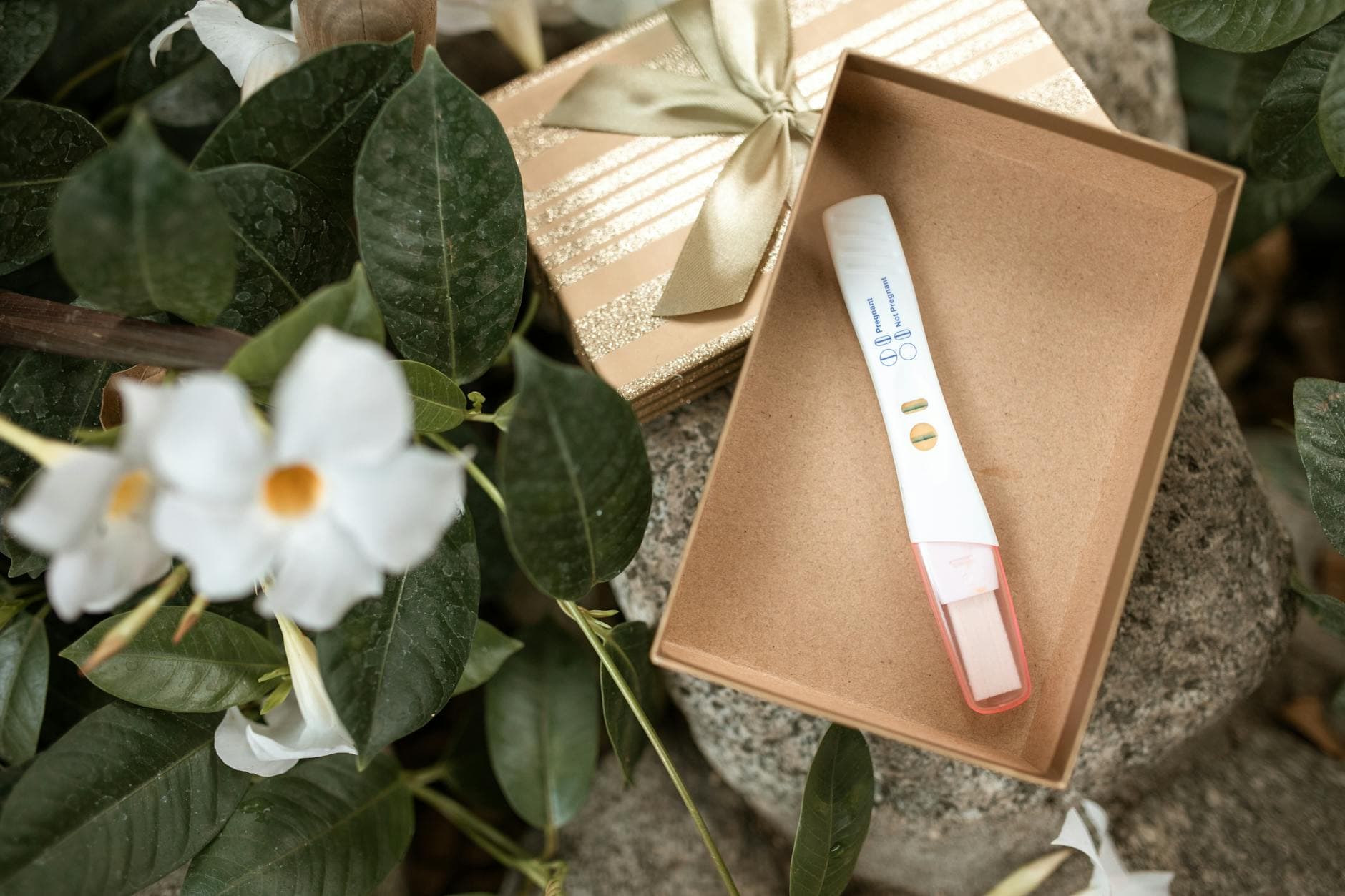
The Instagram version of a push present still looks like jewelry in a velvet box, but the modern meaning is wider than that. It is a gift given after childbirth, usually by a partner, to recognize labor, recovery, and the abrupt leap into parenthood, and the best versions feel less like spectacle than support.
That shift matters because the term itself is still new, even if the instinct behind it is not. The phrase gained traction in the early 2000s, helped along by jewelry-industry marketing, but the custom it names is part of a much older tradition of honoring new mothers after birth. In other words, the label is modern; the impulse is ancient.
Why the term divides parents
Push presents divide parents because they sit at the intersection of gratitude, money, and expectation. Supporters see them as a clear way to acknowledge what pregnancy and childbirth actually cost the body and mind. Critics hear something else: pressure, consumerism, and a marketing idea dressed up as affection.
That is why the language around the gift has become as important as the gift itself. A 2024 Newsweek story quoted relationship expert Sylvia Smith saying the key is “the intention and not the actual present.” That framing captures the split neatly. For some families, the point is emotional recognition; for others, the term itself feels loaded, especially when it starts to sound like a standard purchase rather than a voluntary gesture.
The custom can also be divisive because it arrives in a culture shaped by celebrity reveals, social media, and public displays of material life. A push present can easily become a status signal if it is treated as a prop. It feels different when it is framed as care.
Older than the hashtag
The most useful way to understand a push present is to see it as a modern label for a long-standing human practice. A PubMed review of postpartum traditions considered 72 studies and found 12 that met the inclusion criteria, a sign of how long researchers have documented rituals around birth. Another qualitative systematic review covering 51 studies in more than 20 countries found recurring themes of organized support for the mother, rest, prescribed food, hygiene, and infant-care rituals.
That broader history makes one thing clear: postpartum honoring is not a trend invention. It is a cross-cultural pattern. Across non-Western traditions, two ideas appear again and again, the importance of hot and cold balance and the necessity of confinement after birth. In many Chinese, Thai, Lao, Malaysian, and related postpartum customs, family members are central to the process, helping the mother recover rather than treating childbirth as an isolated event.
The numbers back up how embedded these rituals remain. In one study of immigrant and non-immigrant Chinese women in Toronto, 82.2 percent practiced at least one postpartum ritual. A 2016 ethnographic study at a postpartum nursing center in Taipei interviewed 27 first-time mothers and 3 nurses, underscoring that these practices are still lived, adjusted, and negotiated in real time. This is not nostalgia. It is active maternal care.
When a push present is given
A push present is discretionary, not standardized. It may be given before birth, after birth, or even in the delivery room, depending on the family and the meaning attached to it. That flexibility is part of why the custom has spread: it can be intimate rather than ceremonial, private rather than performative.
The timing also reveals what many people now want the gift to signal. The strongest modern versions do not say, “Look what I bought.” They say, “I saw what you went through.” That distinction is especially important because the gift is often expected to acknowledge both labor and transition, not just the baby’s arrival. It is a small object carrying a large message.
What modern gift-givers are really signaling
The current expectation around a push present is less about flash and more about care. A piece of jewelry can still make sense, but only if it feels personal enough to mark the occasion and not merely expensive enough to post. The more interesting shift is toward gifts that support recovery and the first weeks of parenthood, because that is where the real labor continues.
That is why a thoughtful push present now often feels closer to postpartum acknowledgment than to a luxury purchase. It may be a beautiful object, but it should also carry evidence of attention: something chosen for the specific person, the specific birth, and the specific fatigue that follows. A small, well-considered gift can feel more luxurious than a larger one if it recognizes that reality with precision.
A modern push present works best when it avoids the trap of obligation. It is not proof of love, and it is not a price competition. It is a gesture that says childbirth was seen, recovery matters, and the new parent is not expected to absorb the entire experience without acknowledgment.
That is why the term keeps dividing parents. It names a real desire to honor birth, but it also exposes how uneasy people still are about turning care into a consumer ritual. The most convincing push present, in the end, is the one that understands the difference.
This article was produced by Prism’s automated news system from verified source data, official records, and press releases, then run through automated quality and moderation checks before publishing. The system is built and supervised by the people who set the standards it runs under. Read our full AI policy.
Did this article answer your question?