What The Cut Team Is Giving Moms This Year
Push presents are shifting from status symbols to practical luxuries, with the smartest gifts now favoring recovery, comfort, and meaning over sheer size.

The new shape of the push present
The phrase push present sounds modern, but the instinct behind it is not. The Oxford English Dictionary traces the earliest known use of the noun to 1992, and the broader idea of marking childbirth with a gift reaches across cultures and generations. What has changed is the spotlight: celebrity culture, social media, and a more open conversation about postpartum recovery have turned the gesture into something more visible, more debated, and, at its best, more thoughtful.
That is why the strongest gifts for moms right now are not necessarily the biggest or the most expensive. They are the ones that feel like a direct response to the moment, whether that means easing recovery, recognizing the emotional gravity of childbirth, or giving a new mother something she will actually use once the flowers fade.
What good taste looks like now
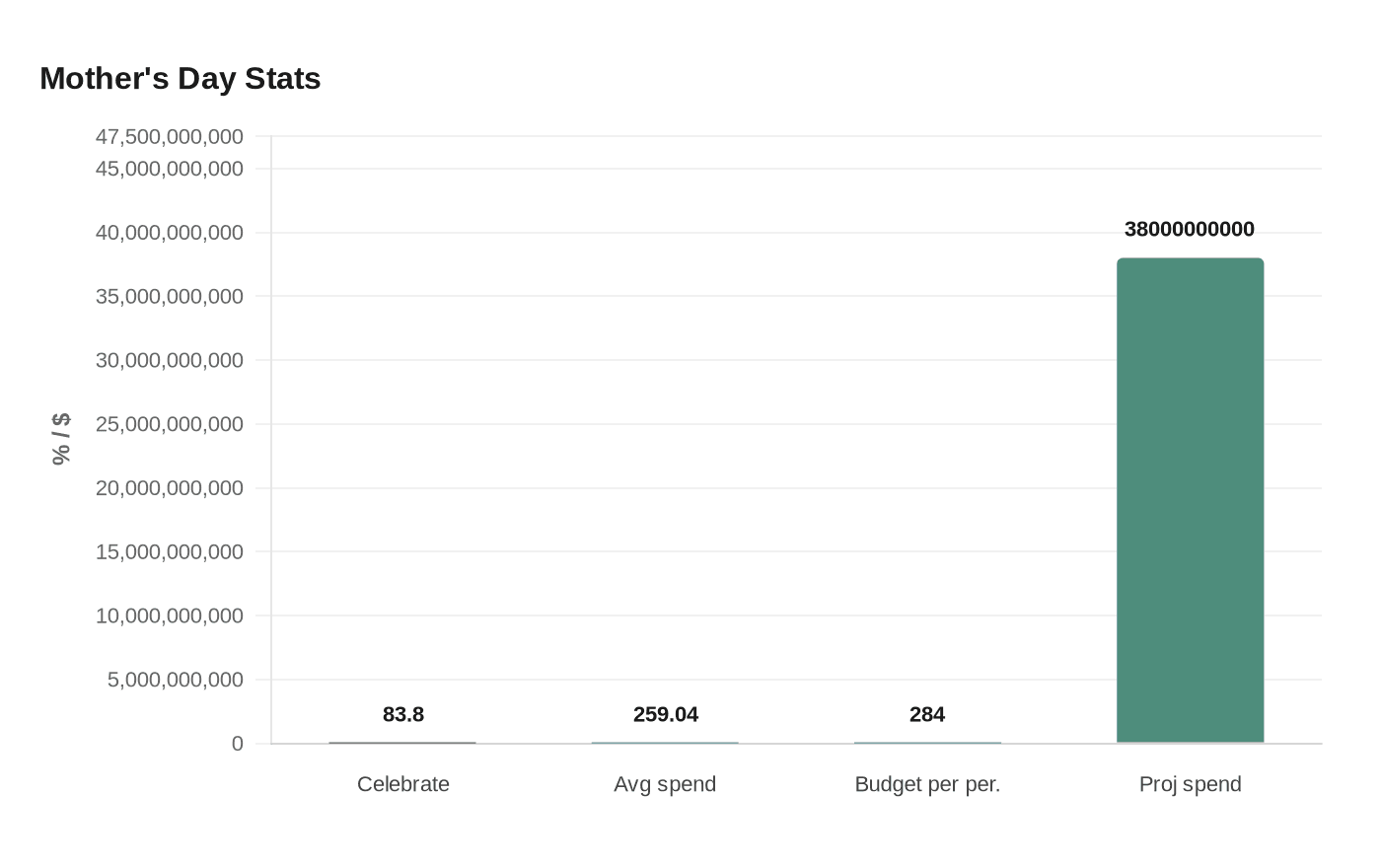
The clearest shift in gifting is toward practicality that still feels indulgent. In the most recent Mother’s Day research from Northwestern’s Medill Spiegel Research Center, 83.8% of U.S. adults said they celebrate the holiday, and average spending per celebrator reached $259.04. But the mix of what people want is changing. Spending on physical gifts was down, while gift cards rose 7.3% and outings like brunch or dinner rose 4.8%. That says a lot about where taste is heading: less clutter, more utility, and a stronger appetite for experiences that can be enjoyed immediately.
The National Retail Federation’s long-running survey, which it has conducted since 2003, points to the same pattern at a larger scale. It projects Mother’s Day spending to hit a record $38 billion in 2026, with shoppers budgeting $284 per person. The money is still there, but it is being spent more deliberately. The gift that wins now is the one that feels specific to the person receiving it, not generic enough to fit any mother on a spreadsheet.
The three signals that matter most for new or expecting moms
The best push-present thinking is clustering around three ideas that feel especially relevant for pregnancy, birth, and the first hard months afterward:
- Comfort upgrades
Anything that improves sleep, softness, or recovery has real staying power. The appeal is obvious: postpartum life is physical, and gifts that reduce friction become part of the daily routine rather than decorative afterthoughts.
- Sentimental keepsakes
This is where meaning matters more than scale. A gift that carries a date, a birthstone, a name, or another personal marker can feel far more luxurious than an object with a bigger price tag. The emotional value comes from being unmistakably tied to this exact child, this exact season.
- Viral-but-useful buys
Millennials and Gen Z are turning to social media and influencers for gift inspiration more than older shoppers, according to NielsenIQ, and that has changed what rises to the top. The most shareable gifts are not empty trends when they solve a problem or make life easier in a way other people immediately recognize.
For new and expecting moms, that combination matters. It is the difference between a gift that photographs well and one that actually gets used during the 3 a.m. feedings, the hospital bag scramble, or the slow return to ordinary life.
Why timing and format matter now
Mother’s Day shopping is also starting earlier. NielsenIQ found that most 2025 purchases were expected to happen in April, which makes planning part of the culture now, not a last-minute scramble. That matters for push presents too, because the best gifts are rarely impulse purchases. They are the ones chosen with enough lead time to feel considered, especially when the buyer is trying to balance sentiment with practicality.
That shift helps explain why gift cards and outings are gaining ground. They solve the problem of uncertainty without feeling lazy. A beautiful dinner, a postpartum massage, a nursery refresh, or a card that gives a new mother control over what she actually needs can feel far more generous than a decorative object chosen in a hurry.
The bigger meaning behind the moment
There is also a more serious reason these gifts resonate. The Centers for Disease Control and Prevention reported that the U.S. maternal mortality rate in 2021 was 32.9 deaths per 100,000 live births. For non-Hispanic Black women, the rate was 69.9, or 2.6 times the rate for non-Hispanic white women. Those numbers make it hard to treat postpartum gift-giving as merely a lifestyle trend. For many families, the gesture is a small but sincere acknowledgment that childbirth is not trivial, recovery is not automatic, and care should be visible.
That is where the most resonant push presents land now. They do not just celebrate the baby. They honor the mother, the body that carried the pregnancy, and the practical reality of what comes next. The smartest gifts are less about performance and more about reassurance, which is exactly why they feel luxurious in the first place.
What lasts beyond the trend cycle
The culture around push presents will keep evolving, but the best version of the idea is already clear. It is not about matching a price point or chasing the loudest trend. It is about choosing something that feels intimate enough to matter, useful enough to live with, and thoughtful enough to hold up after the initial moment has passed.
That is the real signal in the current gifting landscape: good taste is looking less like excess and more like attention.
This article was produced by Prism’s automated news system from verified source data, official records, and press releases, then run through automated quality and moderation checks before publishing. The system is built and supervised by the people who set the standards it runs under. Read our full AI policy.
Did this article answer your question?