Why push presents should prioritize postpartum recovery timing
The smartest push present arrives when recovery is hardest, not when the flowers show up. In the fourth trimester, timing is the luxury that matters most.

The best push present is often the one that does not look like a push present at all. It arrives after the hospital lights dim, after the congratulatory texts slow down, and right when the new mother is learning that postpartum recovery is not a single moment but a long stretch of physical work.
That shift in timing matters because the postpartum period can be physically and emotionally challenging, and warning signs in the weeks after childbirth can signal serious, life-threatening problems. The gift that feels most refined in that moment is not the most elaborate one, but the one that eases pressure on the body, the schedule, and the nervous system.
Why timing is the real luxury
The American Academy of Family Physicians defines the postpartum period as the 12 weeks after delivery and calls it a fourth trimester. The American College of Obstetricians and Gynecologists says postpartum care should be treated as an ongoing process rather than an isolated visit, and that support networks plus regular postpartum checkups are two keys to recovery. A 2024 review in Ochsner Journal reinforced how much the old model has changed, noting that traditional postpartum care often ended at the routine six-week follow-up and that ACOG has reintroduced the fourth trimester into pregnancy care.
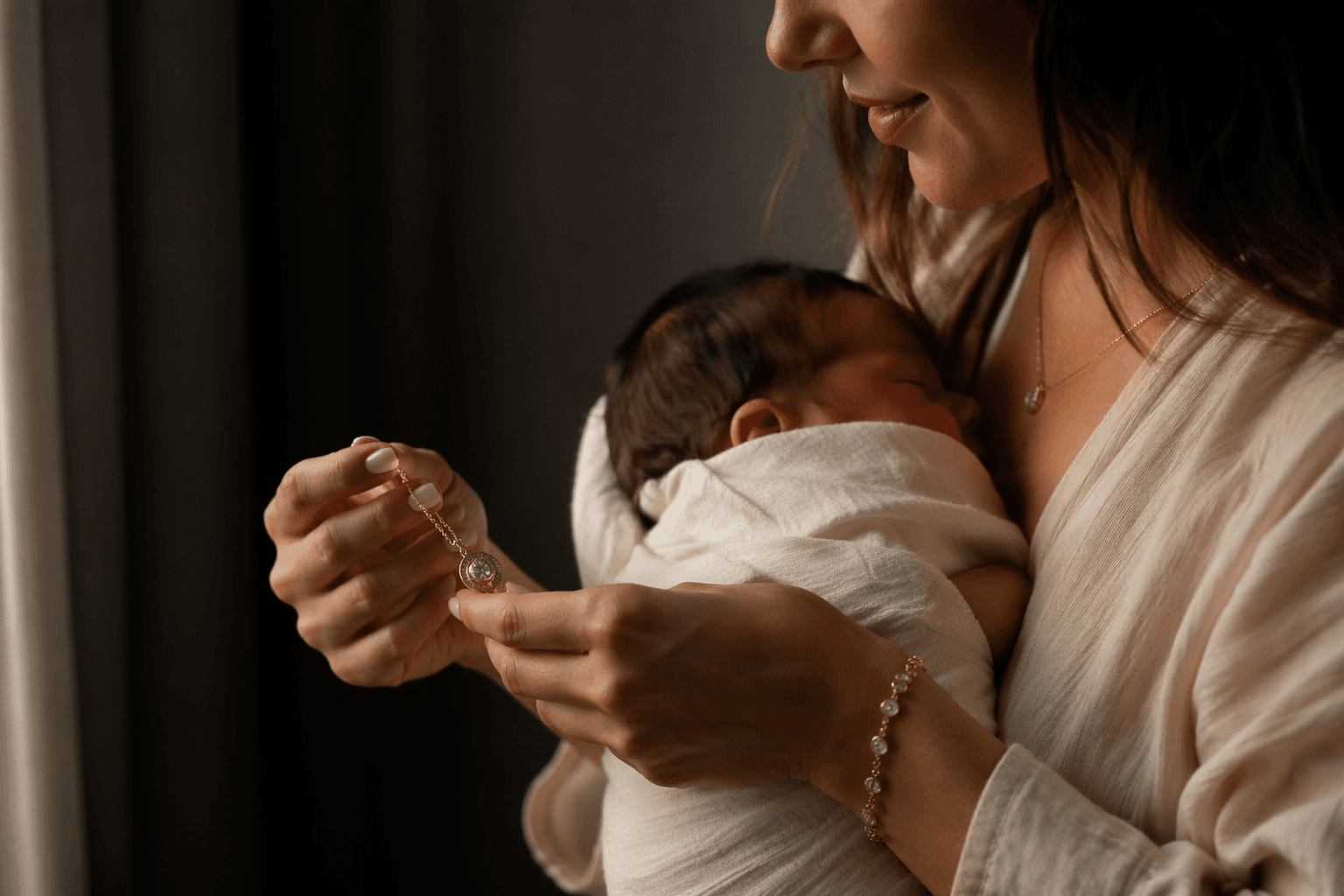
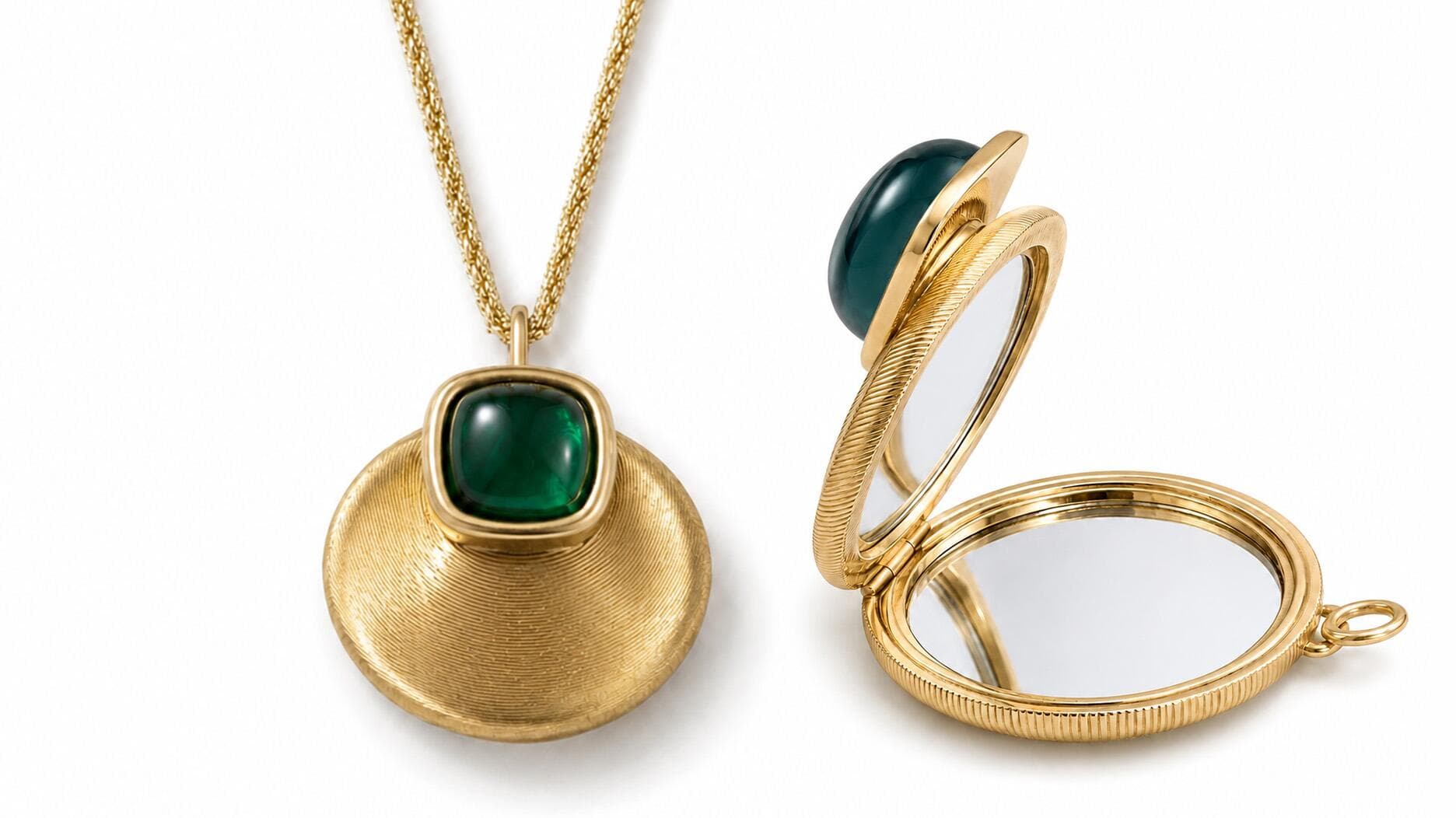
That is why the most thoughtful push presents should not be reserved for the delivery-day reveal. If outpatient postpartum care should begin within three weeks after birth and may require multiple contacts, then the gift should be timed to solve the actual pain points that show up in those first days and weeks. A necklace is lovely, but a stocked fridge, a cleaned house, or an extra pair of hands at 7 p.m. can feel far more luxurious.
What a recovery-first push present looks like
When the goal is support, the best gifts buy back time, rest, or comfort. They reduce the invisible labor that piles up when sleep is broken and the body is healing.
- Prepared meals or a meal train. This is one of the clearest ways to support recovery because it removes the daily question of what to eat when energy is low. It also keeps attention where it belongs, on healing and feeding the baby, not on groceries and dishes.
- Housekeeping or laundry help. This is not flashy, but it is deeply generous. Clean floors, fresh sheets, and a clear countertop can lower stress in a way no decorative object can match, especially when the mother is supposed to be resting and not “catching up.”
- Comfort items that make recovery easier. Soft clothing, easy layers, and practical comforts matter when the body is tender and movement is not effortless. The gift feels expensive because it is considerate, not because it is ornate.
- A support service, if the budget allows. Paying for a postpartum doula, a few hours of in-home help, or recurring help with errands can be more meaningful than a single luxury item. In the fourth trimester, continuity is often more useful than spectacle.
- A gift that acknowledges the mother without demanding performance. A beautiful keepsake still has a place, but it should not be the only gesture. The point is to recognize the person who gave birth and the reality of her recovery, not to turn the moment into a prop.
The common thread is simple: the best gifts solve a problem that exists right now. They do not assume the postpartum period ends when visitors leave.
Why the idea is still divisive
The term push present has an unclear origin, but it has stayed in the public conversation for years. TODAY has pointed to celebrity examples that kept the idea visible, including Jennifer Lopez in 2008 and Jessica Alba in 2011. Marc Anthony and Cash Warren were part of those high-profile family narratives, which helped turn the gesture into a recognizable cultural shorthand.
Still, the concept remains divisive. Some mothers embrace it as a welcome sign that their labor is seen and celebrated. Others dislike the implication that a birth needs a material reward, especially when the real need is rest, support, and protection from the grind of recovery. That tension is exactly why timing and usefulness matter so much. A recovery-centered gift feels less like compensation and more like care.
The most useful way to think about the gift
A smart push present follows the postpartum calendar, not the party calendar. If the fourth trimester lasts 12 weeks, then the gift should be able to help during that full window, not just photograph well on day one.
The easiest way to choose well is to ask three questions:
1. What will make the first week easier?
2. What will make the second and third weeks less draining?
3. What will still matter when the novelty has worn off and the recovery is ongoing?
If the answer is food, rest, physical comfort, or fewer tasks, you are on the right track. That is where the emotional resonance lives too. A gift that quietly clears space for healing often feels more luxurious than a bigger, louder present, because it says, in effect, I understand what this season really asks of you.
A more modern etiquette for a familiar gesture
Push presents make the most sense when they are treated less like a transaction and more like a form of postpartum etiquette. A gift given too early can miss the point; a gift given with the recovery window in mind can change the tone of the whole experience. That is especially true in a moment when ACOG emphasizes ongoing care, AAFP frames the postpartum period as a full fourth trimester, and March of Dimes reminds families that postpartum warning signs can be serious.
The best version of this tradition is not about spending the most. It is about noticing what the new mother will actually need when the car seat is installed, the visitors have gone home, and the first real nights of recovery begin. In that sense, the most elegant push present is also the most practical one: the gift that makes healing lighter, quieter, and a little more humane.
This article was produced by Prism’s automated news system from verified source data, official records, and press releases, then run through automated quality and moderation checks before publishing. The system is built and supervised by the people who set the standards it runs under. Read our full AI policy.
Did this article answer your question?