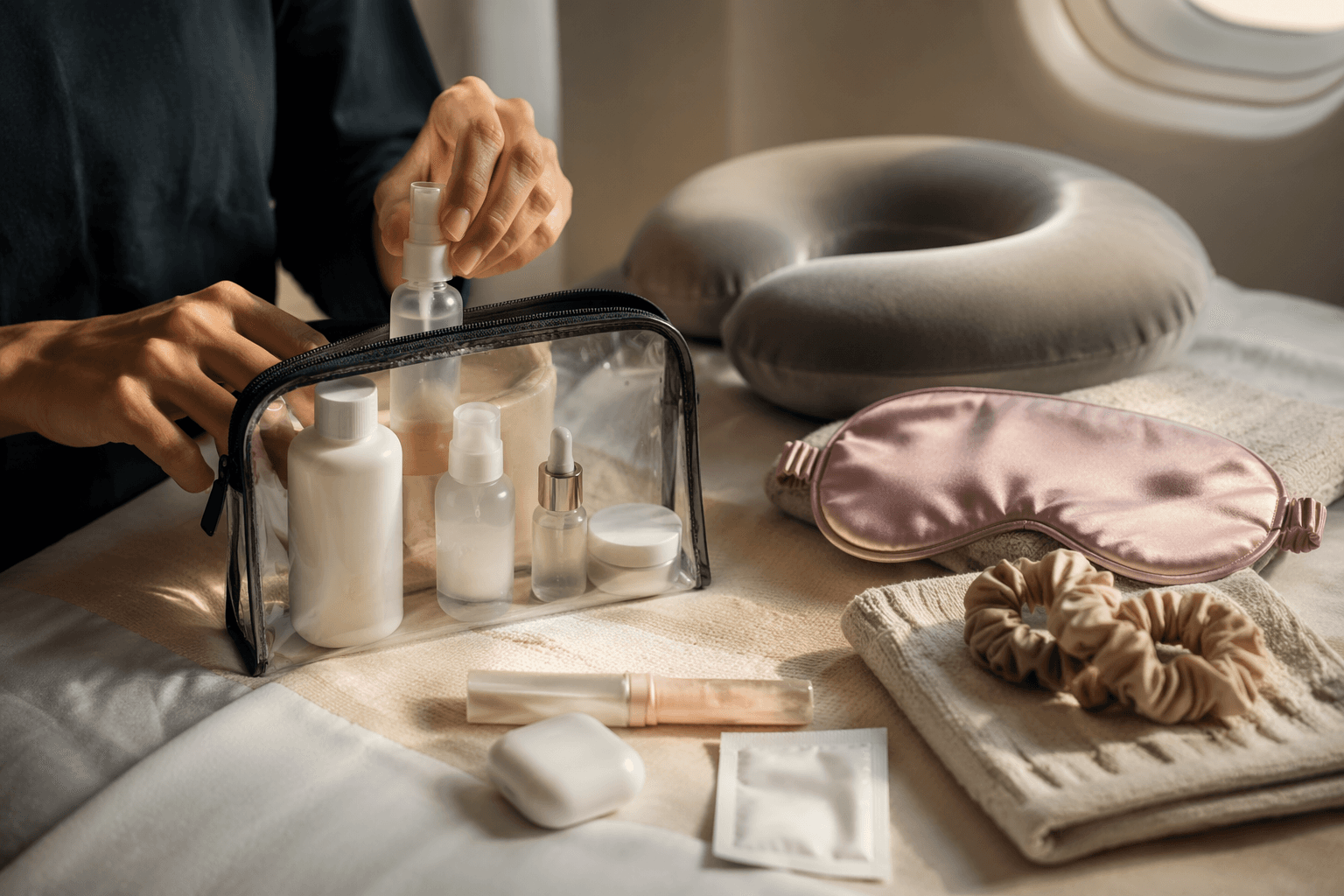
Beauty subscription boxes are booming as affordable self-care gifts
Beauty subscription boxes can be a smarter self-care gift than a one-brand set when you want prestige, surprise, and fewer guesswork mistakes.
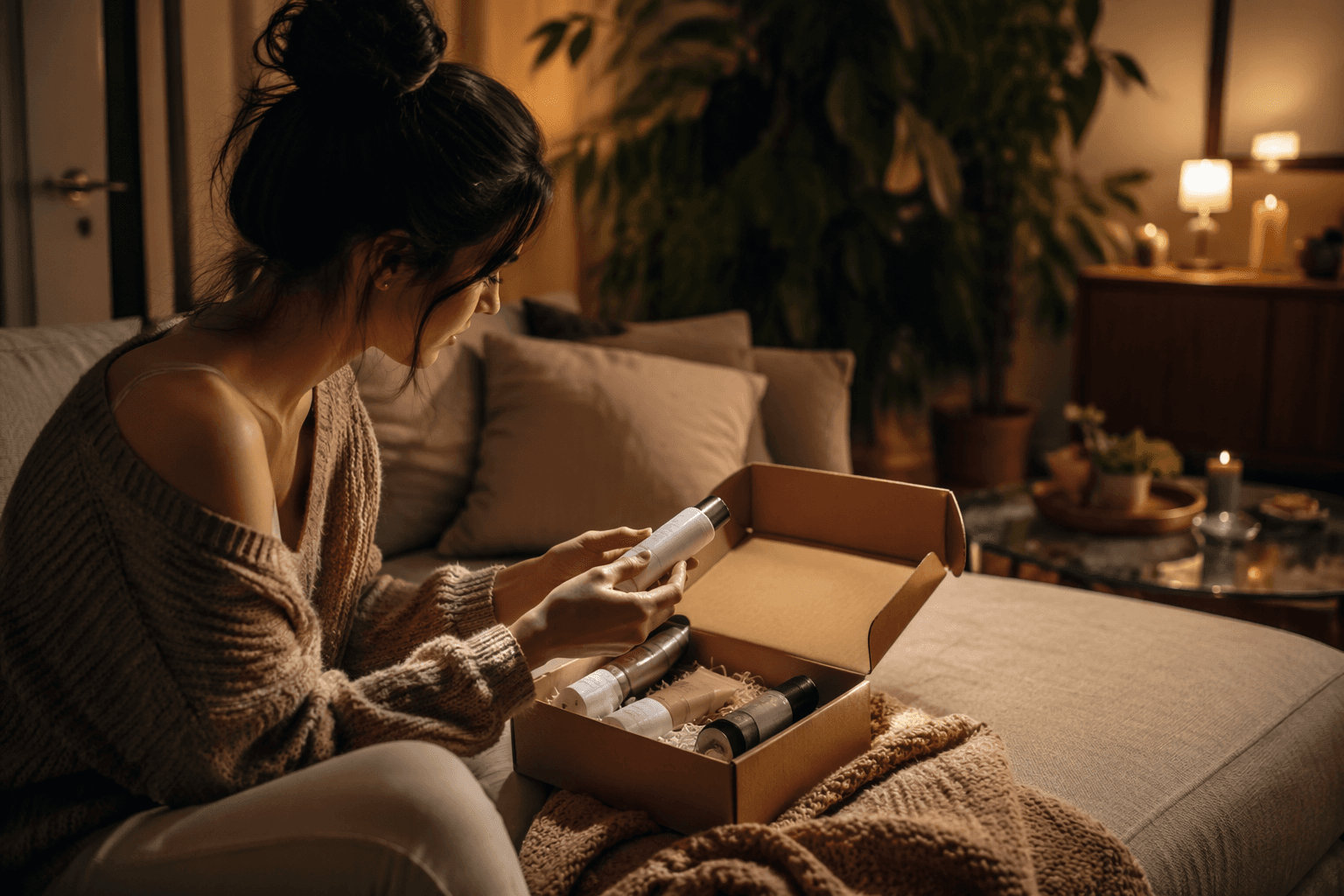
Why beauty boxes are winning the gift equation
A good beauty box does something a single-brand set often cannot: it buys you flexibility. For roughly $50, Forbes notes that a curated edit can unlock about $180 in prestige beauty, which makes the math unusually compelling for a gift that still feels polished and personal. That value gap matters most when you know someone likes beauty, but you do not know whether they are loyal to one cleanser, one foundation shade, or one fragrance family.
That is why beauty boxes have become such a strong self-care gift. They sit between sampling and splurging, offering the recipient a chance to try prestige brands without committing to full sizes or a shelf full of products they may never finish. In gifting terms, that lowers the risk dramatically while still creating the feeling of abundance that makes a present feel thoughtful.
The market is growing because the format solves a real problem
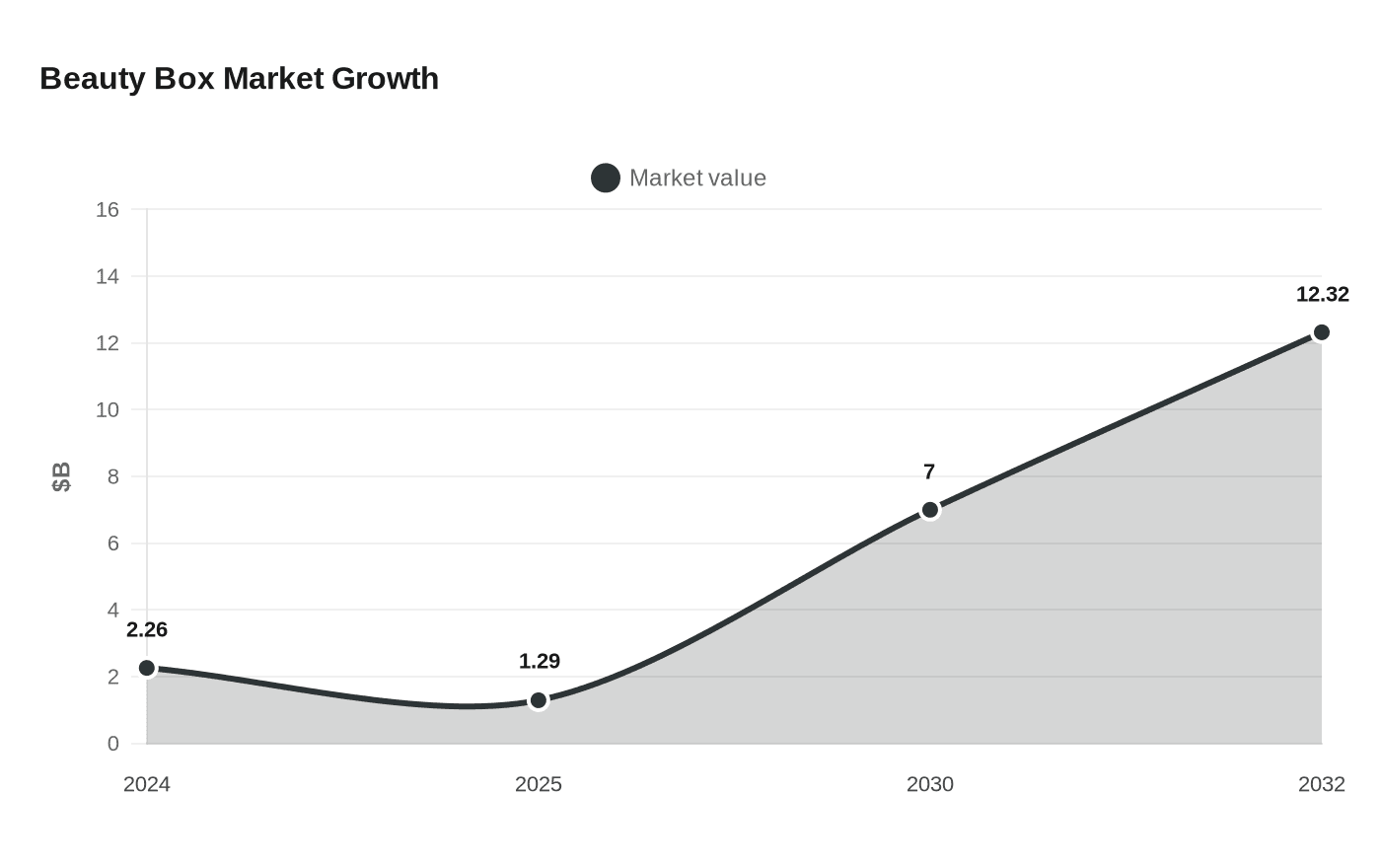
The category is no longer niche. Fortune Business Insights says the global beauty subscription box market was valued at $2.26 billion in 2024 and is projected to reach $12.32 billion by 2032. Technavio offers another strong reading of the same momentum, putting the market at $1.29 billion in 2025 and forecasting 16.7 percent annual growth from 2026 through 2030. Forbes goes further, saying the global beauty subscription and discovery-box market is expected to exceed $7 billion by 2030.
Those numbers line up with the way people shop now. The U.S. cosmetics and personal care industry is already massive, with the Personal Care Products Council saying sales totaled $210.6 billion in 2022. It also says the broader industry generated $495.6 billion in total economic output and supported more than 2.6 million jobs in 2024. In other words, beauty boxes are not a side hustle in the corner of retail. They are part of a huge consumer ecosystem that depends on discovery, repeat purchase, and brand trial.
When a beauty box is better than a one-brand set
A beauty box makes the most sense when the gift is meant to feel elevated, but you do not want to gamble on a specific routine. If you know someone loves self-care but not which serum they repurchase, a multi-brand box gives them options without overcommitting to one product line. It is also stronger than a one-brand set when the goal is surprise, because the recipient gets the pleasure of discovery rather than another bottle of the same brand they already know.
That is the key advantage over a traditional gift set. A one-brand bundle works when you already know the person’s exact favorite category, like a moisturizer they swear by or a fragrance house they collect. A beauty box wins when you are buying across some uncertainty. It can feel more luxurious than a larger branded set because the value is spread across several prestige samples or deluxe minis, each one chosen to feel like a small reveal.
The caveat is important. Beauty boxes are not ideal for every recipient. Someone with strict skincare sensitivities, a highly specific makeup shade range, or an established routine may view the box as clutter rather than care. And if the recipient already subscribes to several beauty services, the surprise factor can wear thin fast. The gift is strongest when novelty still feels useful.
How Birchbox and IPSY helped define the category
Birchbox helped make the model familiar when it started in 2010 to redefine the way consumers discover and shop for beauty and grooming. Its current pitch still reflects that original idea, with customizable boxes starting at $22 per box and claimed values of up to $75 for its monthly box and up to $175 for its Signature box. That structure makes the gift feel more like a curated discovery edit than a grab bag, which is exactly why it works as a present.
IPSY built on the same discovery logic but pushed the category toward scale. It began as a beta site in November 2011 and launched publicly in September 2012. Today, it markets 5 beauty products starting at $14 per month and explicitly invites shoppers to give the gift of beauty discovery. IPSY also says its 2025 Beauty Discovery Report draws on a community of 20M+ members, which signals how mainstream the format has become. What once felt like a novelty subscription now behaves like a mass-market beauty habit.
What makes the gift feel premium, even at a lower price
The best beauty boxes do not rely on price alone. They feel premium because they deliver curation, not random samples, and because they let the recipient touch multiple prestige brands without making a single wrong bet. That is especially appealing for the shopper who wants a present to look expensive in intention, not necessarily in sticker shock.
A box also feels generous because it gives more than one moment of delight. A one-brand gift set tends to be consumed as a package. A good beauty box becomes a sequence, with each product offering a different use case or mood. That pacing is part of the luxury. The gift lingers.
The practical buying rule
Choose a beauty box when you want low-risk, high-perceived-value gifting, especially for someone who likes trying new products but does not need another full-size routine. Choose a one-brand set when you know the exact category they love and the exact brand they trust. The wrong box can feel scattershot, but the right one can feel surprisingly personal because it respects both the recipient’s taste and their freedom.
That is the real reason beauty boxes are booming. They deliver the emotional payoff of a premium gift without the burden of perfect product knowledge, and in self-care gifting, that combination is hard to beat.
This article was produced by Prism’s automated news system from verified source data, official records, and press releases, then run through automated quality and moderation checks before publishing. The system is built and supervised by the people who set the standards it runs under. Read our full AI policy.
Did this article answer your question?