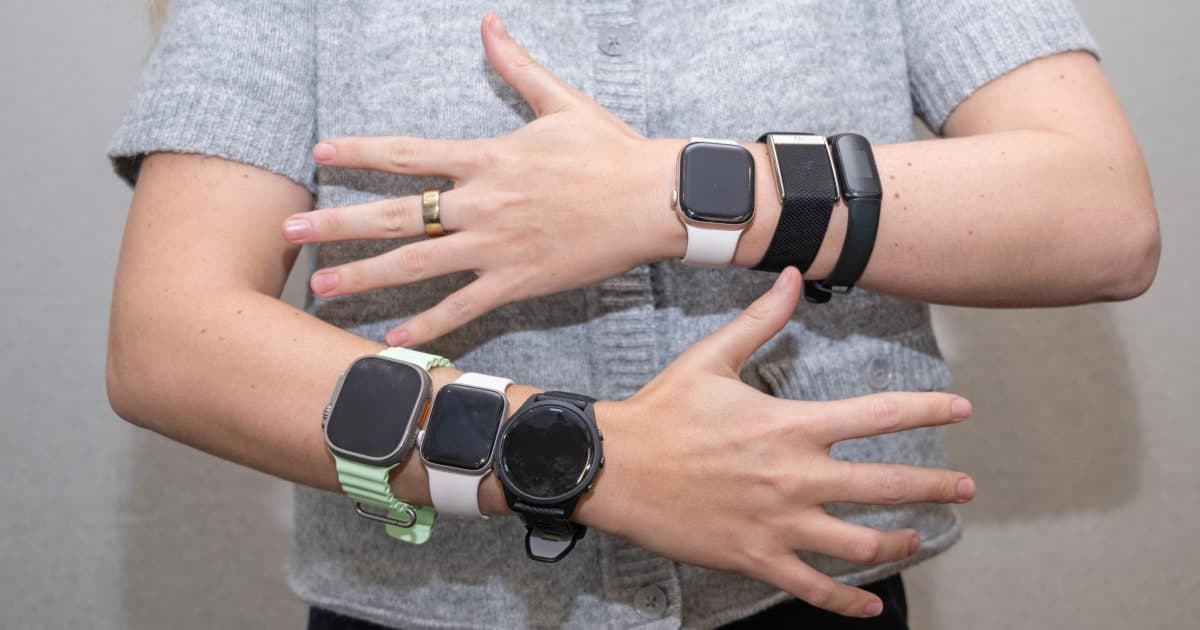
Luxury self-care gifts shift toward recovery and wellness tech
Luxury self-care has turned into recovery gear: the best gifts now are the ones people use daily, from massage guns to red-light and sleep tech.

Why this splurge feels worth it
Luxury self-care used to mean a plush robe, a candle, and maybe a face mask. The new status gift is more useful than decorative: a device that helps someone recover faster, sleep better, or feel less wrung out at the end of the day. That is why this category has moved so cleanly into milestone-gift territory and group-gift territory. A massage gun or sleep-tech device costs more up front, but it also lasts longer, feels more premium when unwrapped, and gets pulled back into the routine instead of disappearing into a bathroom drawer.
The momentum is not just anecdotal. BON CHARGE says its Global Wellness Tech Trend Report 2026 surveyed 7,000 adults across the United States, the United Kingdom, the United Arab Emirates, and Australia, and its red-light trend report points to growing use of red light therapy for skin appearance, recovery, and sleep. Therabody says the original Theragun launched in 2016 and that its devices are backed by 16-plus studies, which is exactly the kind of credibility buyers want when they are spending serious money on self-care. Hatch and Camille Styles are pushing in the same direction, framing wellness gifts as practical, thoughtful, and calming rather than clutter.
For the athlete who actually uses recovery gear
If you are buying for the person who trains hard, lives in leggings, or complains about tight hips after every long run, a massage device is still the cleanest luxury play. Therabody remains the reference point here because the brand has spent years turning recovery tech into something polished enough to gift. The Theragun Prime, around $299.99, is the sweet spot for someone who wants serious percussion without going all the way to pro-level pricing. If you want a more compact option, the Theragun Mini, typically about $199.99, is easier to stash in a gym bag or carry-on.
For the buyer who wants the gift to feel even more elevated, the newer Therabody devices that combine percussive therapy with heat, vibration, and cold therapy make the category feel less like a gym gadget and more like a true wellness tool. That matters because the best recovery gift is the one that feels thoughtful on Christmas morning and still earns its keep in April. This is the person who will appreciate a device that looks sleek on the nightstand and does more than one job.
For the frequent traveler or overstretched parent
Sleep tech is the most underrated luxury gift in this category because it solves a daily problem without looking clinical or boring. Hatch has leaned into that in its 2025 Wellness Gift Guide, which positions wellness gifts as practical, thoughtful, and not clutter. The Restore 3, around $169.99, is the version to buy for the friend who wants a calmer bedtime routine, a less jarring wake-up, and something nicer than a basic alarm clock. It feels giftable because it sits in a bedroom and immediately changes the mood of the room.
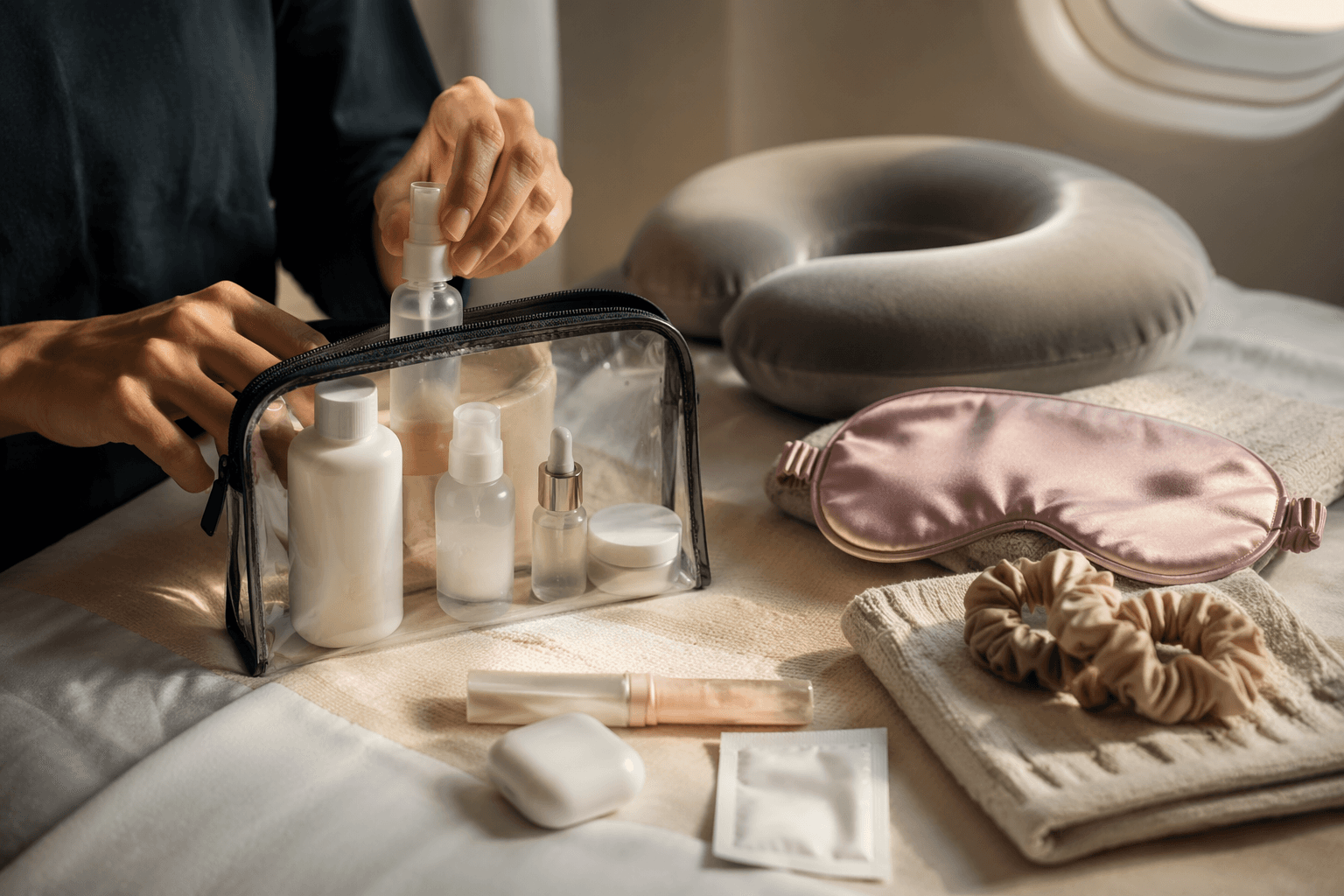
For someone who lives out of a carry-on, or a parent who needs a few quiet minutes after lights out, compact sleep gear makes even more sense. Hatch’s smaller options, including travel-friendly pieces like Rest Go at about $39.99, work beautifully as add-ons to a bigger present or as a secondary gift in a family split. They are not flashy, which is exactly the point. The best luxury self-care gifts for busy people are the ones that create a tiny bit of structure when life is messy.
Therabody’s SmartGoggles, around $199, also belong in this camp. They are the kind of present that feels indulgent because it looks futuristic, but practical because it is built for real downtime, not just show. That makes them especially good for someone who gets migraines, spends too much time on screens, or is always asking for five quiet minutes that never quite happen.
For the beauty-tech fan who wants the next step up
Red light therapy is the sleekest intersection of beauty and wellness right now, and BON CHARGE is one of the brands making that case in a very giftable way. The appeal is simple: it is a device, not a consumable, so it feels more substantial than a serum set, and it lands in the same luxury lane as other higher-ticket beauty tools. BON CHARGE says red light therapy is increasingly being used for skin appearance, recovery, and sleep, which explains why it reads as more than a vanity purchase.
A red-light face mask, typically around $349.95, is the kind of present you give when you want the gift to feel serious and a little bit special. It is best for the person who already owns the creams, knows their routines, and wants technology to do more of the work. In a category crowded with sheet masks and mini devices, this one feels closer to a home-treatment tool than a beauty trinket. If you want the gift to signal real upgrade energy, this is the lane.

How to choose the right one
The easiest way to shop this category is to match the device to the habit you want to support. A massage gun is for the person who already prioritizes recovery, or the friend whose shoulders stay locked up from work and travel. Sleep tech is for the person who wants their nights to feel more controlled and less chaotic. Red light is for the beauty-tech loyalist who likes a device that feels premium, modern, and a little bit clinical.
It also helps to think about gifting in terms of value, not just price. A $299 massage gun or a $349 red-light mask can feel extravagant, but it also replaces repeated spending on appointments, gadgets, or one-off pampering gifts that get used once and forgotten. That is why this category works so well for weddings, graduations, promotions, and group gifts. It delivers the kind of perceived value that a bath set simply cannot match.
The luxury version of self-care
The strongest self-care gifts now are not sentimental clutter, they are tools that get folded into someone’s life. That is what makes recovery tech and wellness tech feel so gift-worthy: they are high-ticket, but they are also high-use. Give the right one, and it stops feeling like a present and starts feeling like part of the person’s routine.
This article was produced by Prism’s automated news system from verified source data, official records, and press releases, then run through automated quality and moderation checks before publishing. The system is built and supervised by the people who set the standards it runs under. Read our full AI policy.
Did this article answer your question?