Neurowellness, Longevity, Sleep Trends Fuel New Self-Care Gifts
Neurowellness tools, metabolic and longevity tests, sleep tech and real-world group experiences are the four forces reshaping self-care gifts after a March 8, 2026 trend survey.
Gifts this year follow the nervous system, not just skincare. Neurowellness, a category that centers on nervous-system-focused tools, tops the list from the March 8, 2026 trend survey and has produced wearables and brain-training devices made to calm, stimulate, or regulate physiology. For the frenetic friend who needs on-demand grounding, the Apollo Neuro vibration wearable, $349, is a tactile way to target the autonomic nervous system; for the meditator who likes data, the Muse headband, about $249, pairs EEG feedback with guided sessions. Both prices reflect the device-plus-software model dominating neurowellness, and both outcompete one-off gadgets because they deliver ongoing trainings rather than a single-use novelty.
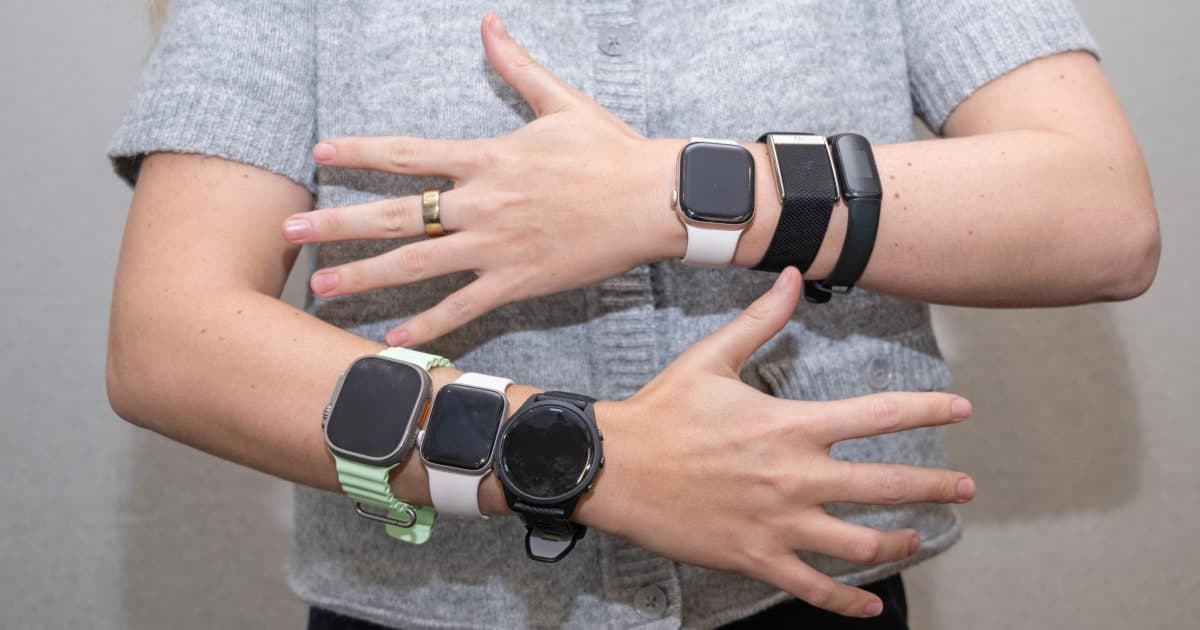
Longevity and metabolic health moved from niche biohacker conversation into mainstream gifting, driven by people asking for actionable numbers. Wearables that measure sleep and recovery now double as longevity trackers: Oura Rings start around $299 and offer continuous temperature and heart-rate variability data that biohackers use alongside bloodwork. For a lower-cost but concrete metabolic check, at-home lab kits such as the Everlywell metabolic or hormone panels run roughly $100 to $150 per test and let a giftee track glucose, lipids, and thyroid without a clinic visit. These options are cheaper than repeated clinic blood panels and better for people who want to iterate on diet and routine month to month.
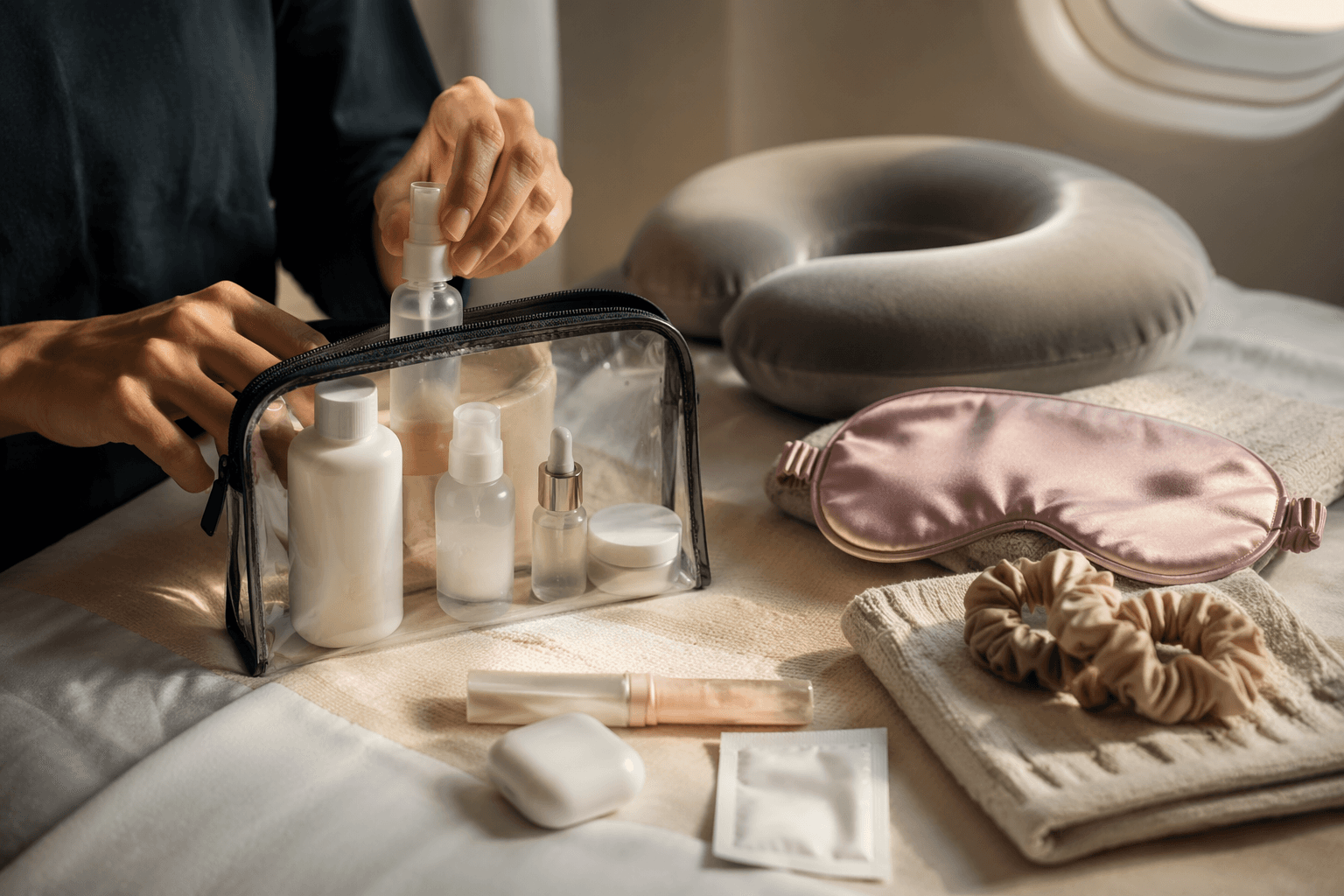
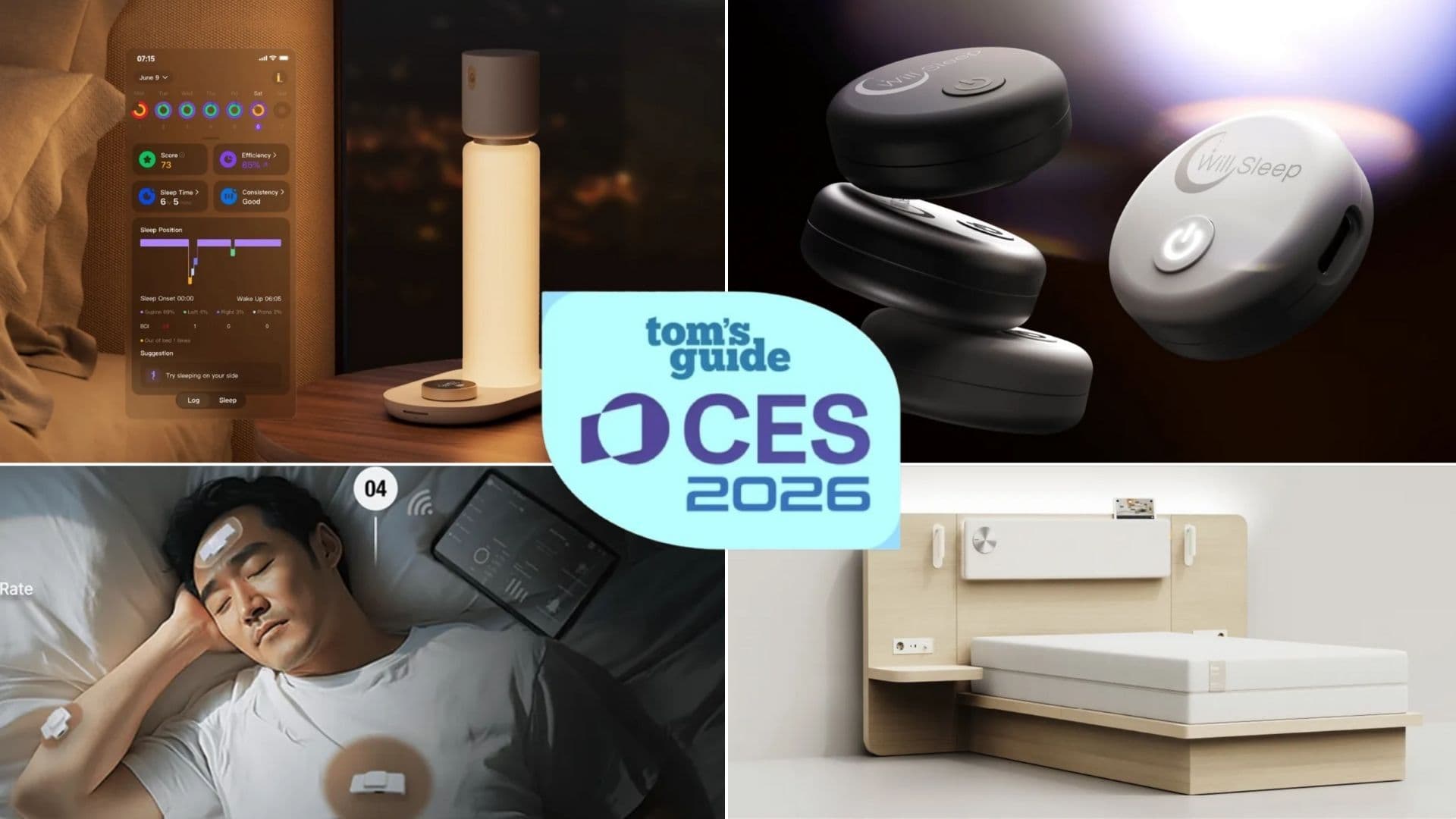
Sleep optimization remains a hard line on wish lists, and the tech is getting serious. Active temperature mattresses and smart covers from companies offering pod-style climate control start in the low thousands for a cover that pairs with sleep-tracking apps, while trusted weighted blankets like the Gravity Blanket are about $199 and provide an affordable, immediate sleep aid. Add a Calm or Headspace annual subscription, roughly $69 to $80, for guided sleep meditations, and you cover both hardware and habitual practice for someone whose priority is better nightly recovery.

Finally, the trend survey highlighted community-driven, real-life wellness experiences as a growing gift category: memberships, class packs, and micro-retreats. A 10-class pack at a neighborhood studio often runs $100 to $200 and buys consistency and social accountability; weekend wellness retreats in regional centers commonly start around $400 for an entry package. Those spends buy something digital tools cannot: in-person accountability and the peer support that sustains behavior change.
Neurowellness, longevity and metabolic testing, sleep tech, and community-led programming are not fads; they are practical, measurable ways people are investing in long-term health. Choosing a gift that maps to one of these four trends locks the present into a clearer, evidence-friendly outcome: calmer days, cleaner biomarkers, deeper sleep, or a supportive community.
This article was produced by Prism’s automated news system from verified source data, official records, and press releases, then run through automated quality and moderation checks before publishing. The system is built and supervised by the people who set the standards it runs under. Read our full AI policy.
Did this article answer your question?