Pampering and Self-Care Gifts Top Telegraph's Mother's Day Guide for 2026
Pampering and self-care gifts dominate The Telegraph's curated Mother's Day picks, chosen by writers and readers who know the difference between a thoughtful gesture and a forgettable one.
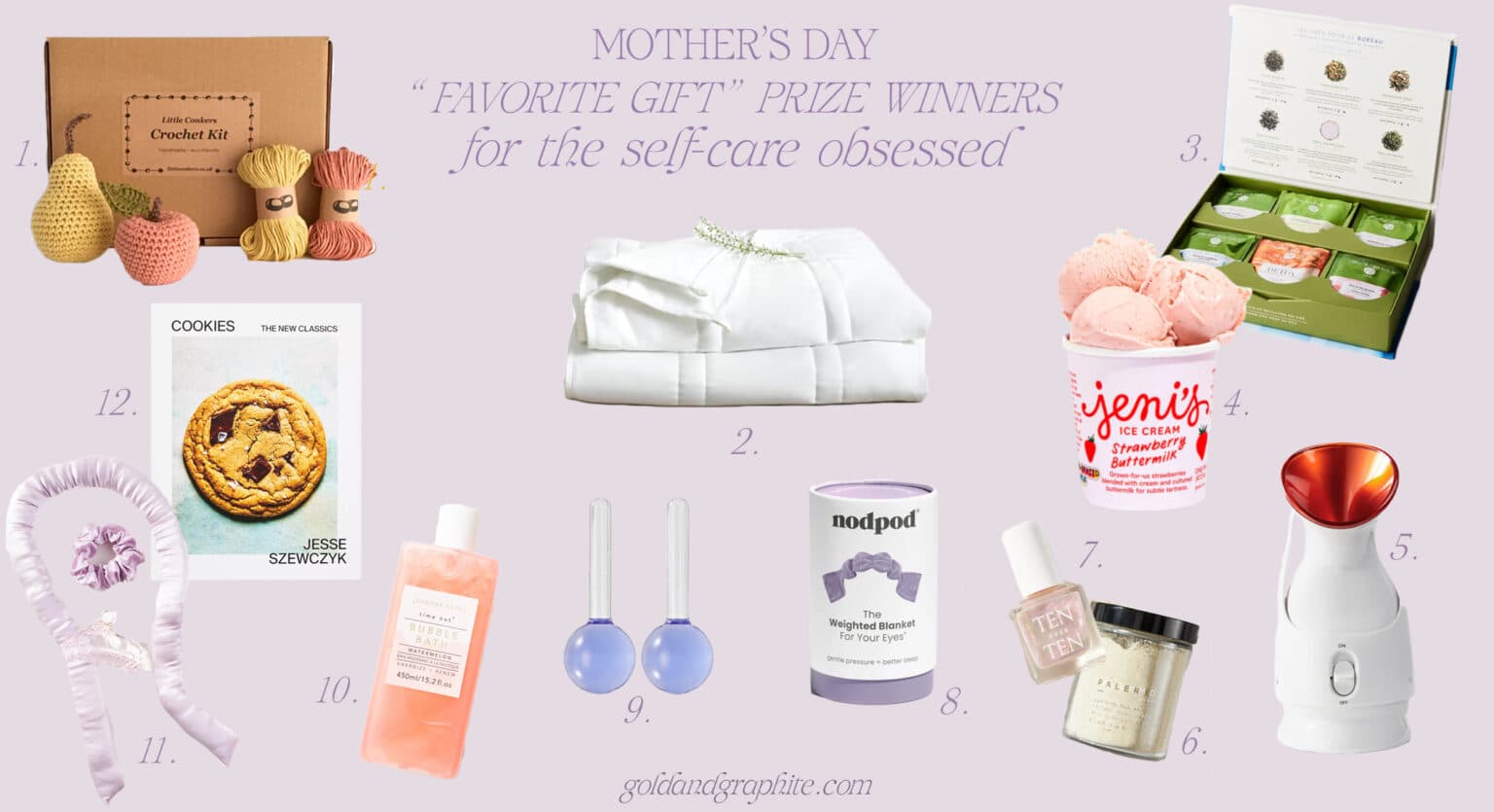
There's a reason self-care gifts keep rising to the top of every serious Mother's Day guide: they work. Not because a bath oil or a facial serum is inherently impressive, but because they give someone permission to stop, slow down, and do something entirely for themselves. That's a rare and genuinely meaningful thing to give another person.
The Telegraph's 2026 Mother's Day gift guide, built from recommendations by both its writers and its readers, puts pampering and self-care options at the front of the conversation. That sourcing matters. When a gifting guide draws on real people who have actually given and received these presents, the recommendations carry a different weight than a list assembled from press releases and affiliate incentives. These are gifts that landed well enough that someone felt compelled to pass the idea along.
Why Self-Care Gifts Resonate for Mother's Day
Mother's Day sits at an interesting intersection of emotion and practicality. The person you're shopping for has almost certainly spent decades prioritising everyone else's comfort over her own. A self-care gift isn't just a product; it's a statement that her rest, her pleasure, and her wellbeing matter. That framing transforms even a modestly priced item into something that feels considered and significant.
The best self-care gifts share a few qualities worth keeping in mind as you shop:
- They feel indulgent in a way the recipient wouldn't justify for herself
- They require no effort to use beyond simply receiving them
- They're specific enough to show genuine thought rather than last-minute panic
- They come with some degree of presentation, because the unwrapping is part of the gift
Pampering at Home: Where Most of the Best Gifts Live
The category of at-home pampering is broad, but the strongest picks tend to cluster around a few areas: skincare, bathing rituals, and sensory experiences like candles and fragrance. What elevates these above the generic is specificity. A single exceptional body oil from a brand known for its formulation is a better gift than a hamper of mediocre products that look impressive but deliver little.
When The Telegraph's writers and readers recommend this category, they're pointing toward items that create a genuine ritual rather than a one-time use. A good bath soak, for instance, doesn't just sit in the cabinet; it changes how someone ends their evenings. A well-made candle reframes a room. These are gifts that extend well beyond the day they're opened.
Experience Days and the Case for Giving Time
Alongside product-based self-care, experience days represent some of the most powerful gifts in this space. A spa day, a massage booking, or a wellness treatment does something a physical product can't: it carves out time in someone's calendar that is explicitly and unavoidably theirs. There's no ambiguity about what you're supposed to do with it.
The Telegraph's guide includes experience options alongside its product picks, which reflects a sophisticated understanding of what self-care actually means. For some recipients, the most luxurious gift isn't a beautiful object; it's an afternoon with nowhere to be and someone else taking care of them.
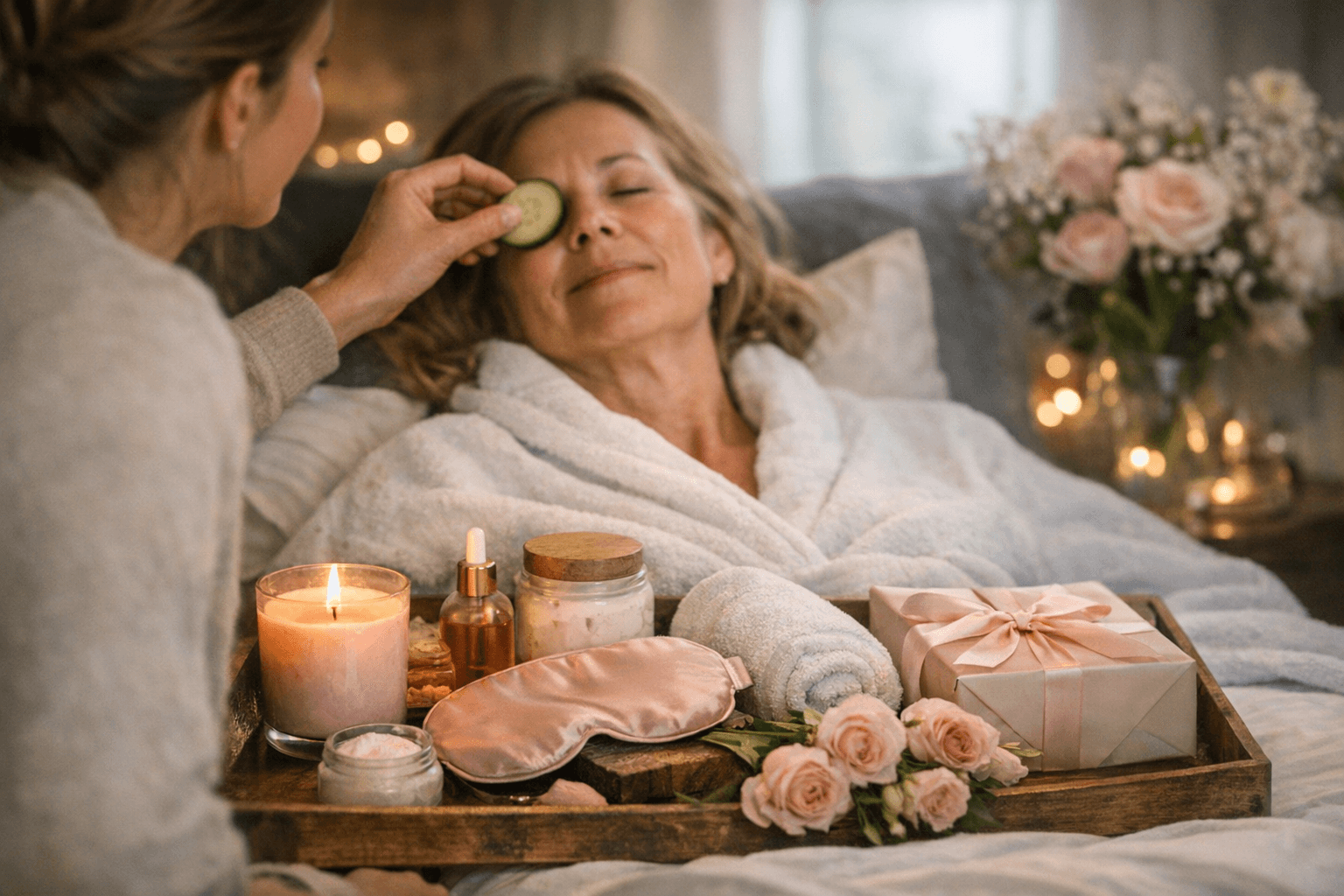
If you're considering an experience gift, a few practical points sharpen the gesture:
- Book it rather than voucher it where possible; a confirmed date feels more real than a card to redeem
- Choose something she's mentioned wanting but never scheduled for herself
- If a spa day feels too generic, consider a more specific treatment she'd actually choose: a particular massage style, a facial from a specific practitioner, or a wellness class she's been curious about
Flowers and Jewellery: The Classic Framework
The Telegraph's guide doesn't abandon the classics. Flowers and jewellery remain anchored in the Mother's Day tradition for good reason; they're deeply personal, visually immediate, and carry emotional symbolism that newer gift categories haven't displaced.
What the 2026 guide reflects, though, is a shift in how these categories are being approached. Flowers are increasingly being chosen for their longevity and craftsmanship rather than just their colour; dried or preserved arrangements, for instance, offer the beauty of a floral gift with a lifespan measured in months rather than days. Jewellery, similarly, is moving toward pieces with personal meaning built in, whether through birthstones, engravings, or designs that reference something specific about the recipient's life.
Choosing the Right Self-Care Gift for the Person
The most common mistake in self-care gifting is choosing what you would want rather than what the recipient actually enjoys. Someone who finds long baths tedious won't be transformed by an expensive bath ritual set, no matter how beautifully it's packaged. Someone who's already meticulous about her skincare routine might find a basic moisturiser slightly patronising.
The better approach is to give something that extends or deepens a pleasure she already has. If she lights candles, find her a fragrance she wouldn't have discovered on her own. If she's already invested in skincare, look one level above her usual brands. If she loves a particular spa but never books herself in, do it for her.
The Telegraph's process of sourcing recommendations from actual writers and readers is useful precisely because it filters out the theoretical gift (impressive on paper, unused in practice) in favour of things people have genuinely appreciated. That's the standard worth holding yourself to when you're making your own decision.
Self-care as a gift category has matured well beyond the novelty phase. What remains is a set of genuinely considered options for telling someone that their rest and pleasure are worth investing in. Given how rarely most people hear that message, it's one of the most resonant things you can give.
This article was produced by Prism’s automated news system from verified source data, official records, and press releases, then run through automated quality and moderation checks before publishing. The system is built and supervised by the people who set the standards it runs under. Read our full AI policy.
Did this article answer your question?