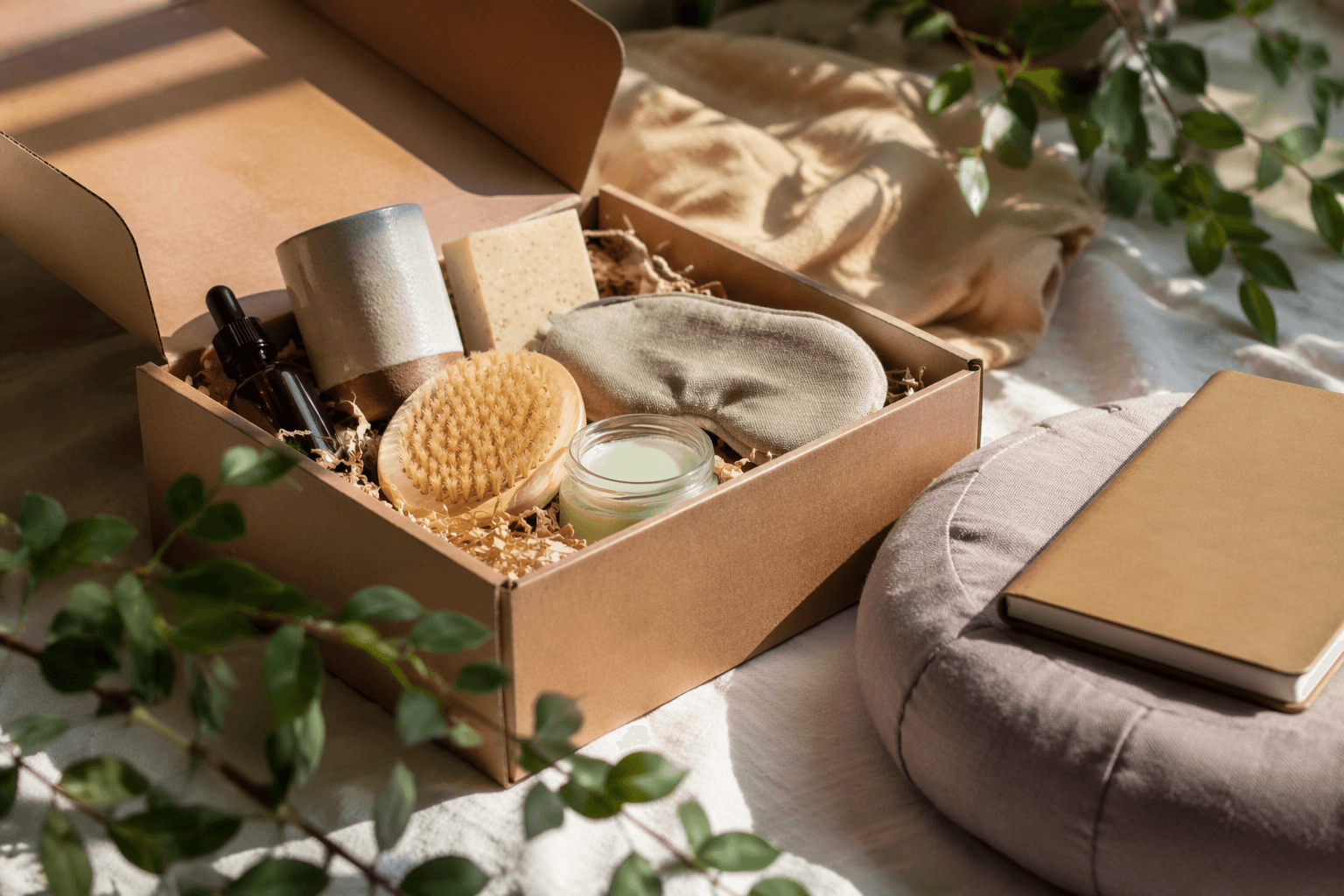
Self-care gifts for the manifestation, matcha, and mindfulness friend
The best self-care gifts are the ones that become a habit, from matcha mornings to bedtime journaling, with strong options spanning $15 to $500.
The smartest self-care gift is not a one-time treat, it is something that quietly earns a place in somebody’s day. That is why matcha kits, journals, and meditation tools keep showing up in wellness gifting: they help turn a good intention into a repeatable routine, and that matters in a market McKinsey values at about $1.8 trillion globally and $480 billion in the United States.
Why routine-based self-care gifts actually get used
Self-care has moved well past bubble-bath branding. The American Psychological Association describes it as a legitimate practice for mental health and resilience, and the National Center for Complementary and Integrative Health says mindfulness and meditation may help people manage stress, anxiety, depression, and pain. That gives this category real weight: the best gifts are the ones that make it easier to keep showing up for a practice, not just admire it for a weekend.
There is also a practical reason these gifts keep getting better shelf space. McKinsey says the U.S. wellness market is still growing as much as 10 percent a year, which helps explain why self-care products are marketed less like indulgences and more like tools. Forbes Health has framed self-care gifting as a broad price category too, with examples ranging from $15 to $500, so there is room for a thoughtful notebook, a serious meditation setup, or a fully stocked ritual kit without leaving the wellness lane.
Morning matcha for the friend who likes a calm start
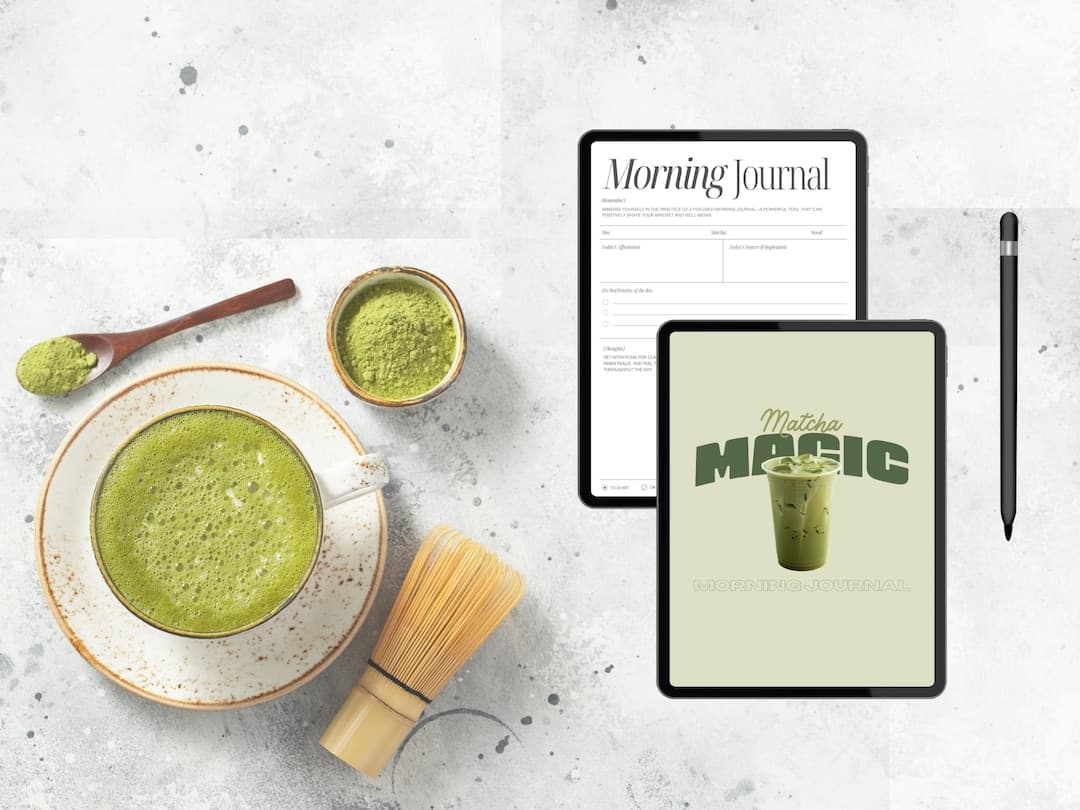
Matcha is the easiest place to begin if your recipient already has a morning ritual and wants to make it feel a little more intentional. It is powdered Japanese green tea, and research summaries consistently point to its catechins, theanine, caffeine, and chlorophyll, the mix that gives matcha its antioxidant profile and its reputation for both mood and cognition support. In other words, this is not just a pretty green drink. It is a drink that gives a morning a job.
A good matcha gift works because it removes friction. Think of the pieces that make the habit easier to repeat: a tin of matcha, a whisk, a bowl, a spoon, and a place to keep them together near the kettle or the coffee machine. That kind of setup is worth giving to the person who already reaches for tea when they want to feel organized, because it turns breakfast into a small daily reset instead of another thing to think about.
The most useful matcha present is one that respects the ritual rather than decorating it. A person who is genuinely trying to build a calmer morning will use a simple, functional set far more often than a fussy object that lives on a counter but never gets touched. If you want a gift that feels aspirational without becoming clutter, matcha is the sweet spot.
Journaling and manifestation tools that stay on the nightstand
Manifestation culture overlaps naturally with journaling and mindfulness, which is why the best gifts in this lane are the ones that invite repetition. A well-made journal, a prompt book, or even a beautiful pen can make the difference between a half-hearted “I should write more” and an actual nightly practice. This is the category for the friend who likes to set intentions, track moods, and think through the day before sleep.
What matters here is placement. A journal that is easy to reach by the bed or beside the couch gets used; one that gets tucked away in a drawer disappears from the routine. That is why this kind of self-care gift works so well for people who want low-key self-improvement: it gives the practice a physical home, and that makes the habit feel less aspirational and more automatic.
This is also where the lower end of the price range makes sense. Forbes Health’s self-care examples run from $15 to $500, and a notebook or guided journal sits comfortably at the accessible end of that spectrum. For the person who loves a morning page or a nightly gratitude entry, that is often the right move: simple, specific, and easy enough to use every day.
Meditation and wind-down gifts for the person who protects their evenings
If the friend you are shopping for is trying to build a quieter evening, lean into gifts that support meditation and wind-down rather than just “relaxing.” The NCCIH notes that meditation and mindfulness may help with stress, anxiety, depression, and pain, and it also points out that meditation has roots going back thousands of years, with many techniques beginning in Eastern traditions. That history matters because it shows how much of modern self-care gifting is really about packaging old, steady practices in a form that fits contemporary life.
A meditation cushion, a timer, or a simple floor setup can make a practice easier to keep. These are not glamorous gifts, but they are the ones that actually get pulled out when energy is low, which is exactly when a calming habit is most likely to fall apart. A good wind-down gift should reduce effort, not add another decision.
This is why the strongest self-care gifts are not necessarily the most decorative ones. The best version is the thing that makes it easier to sit down for 10 minutes, write three lines in a journal, or whisk matcha before work. In a category that spans $15 to $500, the winner is almost always the gift that disappears into a real routine and becomes part of the day instead of a reminder to be more relaxed.
This article was produced by Prism’s automated news system from verified source data, official records, and press releases, then run through automated quality and moderation checks before publishing. The system is built and supervised by the people who set the standards it runs under. Read our full AI policy.
Did this article answer your question?