Seven Future Wellness Frontiers That Will Transform Self-Care Gifts
The future of self-care is systemic, seven wellness frontiers from longevity to environmental medicine point to gifts that build daily resilience, not just one-off treats.

1. Longevity and regeneration
Dr. Marcus Coplin’s white paper names longevity and regeneration as the first frontier, explicitly pairing it with "Regenerative Nutrition • Gut Health • Cardio‑Metabolic Renewal." That’s where gifting stops being luxury and starts being infrastructure: buy a gut‑microbiome home test plus three months of personalized supplements (starter kits run roughly $89–$199 for the test and $40–$120/month for custom supplements), or put together a skin‑longevity kit that leans into biotech‑adjacent brands (the market is already moving beyond anti‑aging to "skin longevity" with AI diagnostics and regenerative actives). Beautymatter flags a shift toward women’s healthspan, ovarian aging and female‑focused longevity clinics, so a practical gift for a woman in midlife: a diagnostic consult or longevity platform membership (telehealth packages often start around $150–$300) paired with an evidence‑forward skincare regimen.
2. Cognitive vitality
The Global Wellness Institute calls out "The Rise of Neurowellness," noting that regulating the nervous system through consumer neurotech and somatic practices is already a major trend. For the friend who needs focus or calmer nights, give a consumer neurotech device like an EEG meditation headband (popular models retail near $249–$299) or a wearable that targets nervous‑system regulation (neuro‑resilience devices commonly sit around $299–$349). Pair the device with a somatic‑movement or guided neurofeedback subscription, a year of guided sessions typically costs $100–$300, and you’re gifting a practice rather than a gadget.
3. Endocrine harmony
Coplin’s framework includes "Endocrine Harmony" as its own frontier; Beautymatter’s coverage of the 2026 pivot toward women's "healthspan" and ovarian aging makes this especially relevant for gifts aimed at women. Practical, high‑value presents here: an at‑home hormone panel (home tests start around $99–$149) plus a follow‑up telehealth consult (commonly $150–$250) to interpret results, or a curated endocrine‑support supplement plan backed by a practitioner. These are the kinds of gifts that move beyond symptom management into proactive, biological care.
4. Sleep and recovery
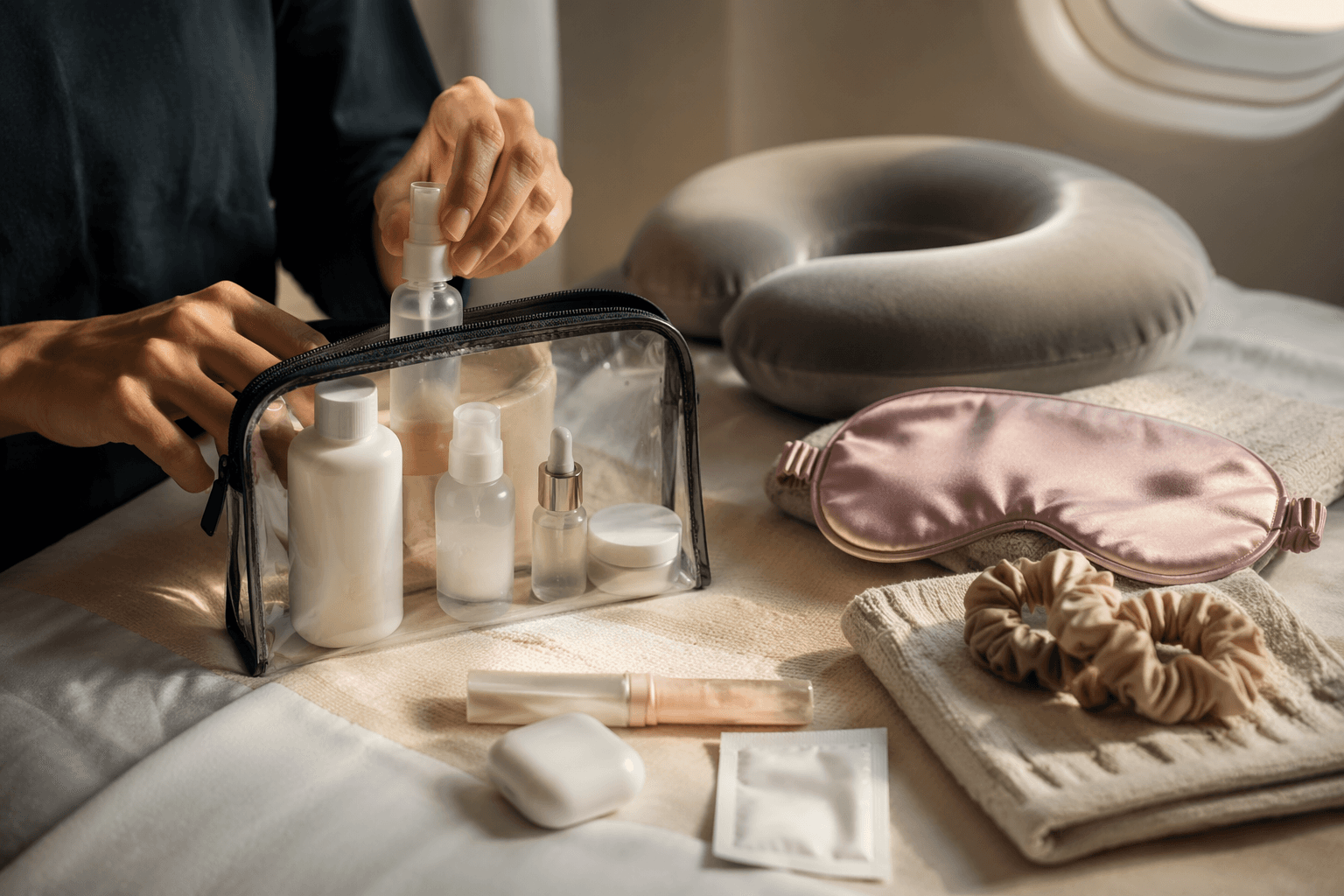
Sleep and recovery are singled out as a central frontier, and VML/Future100’s idea of "structural resilience" means sleep tools should train long‑term elasticity, not just a one‑night fix. Give a sleep analyzer that actually produces usable data (the Withings Sleep Analyzer retails near $129) or a percussive‑therapy device for muscle recovery (compact models like the Theragun Mini are about $199). For someone who travels or burns the candle at both ends, combine a data tracker with a recovery ritual: weighted blanket ($100–$200) plus a year of guided sleep programs ($50–$150).
5. Metabolic intelligence
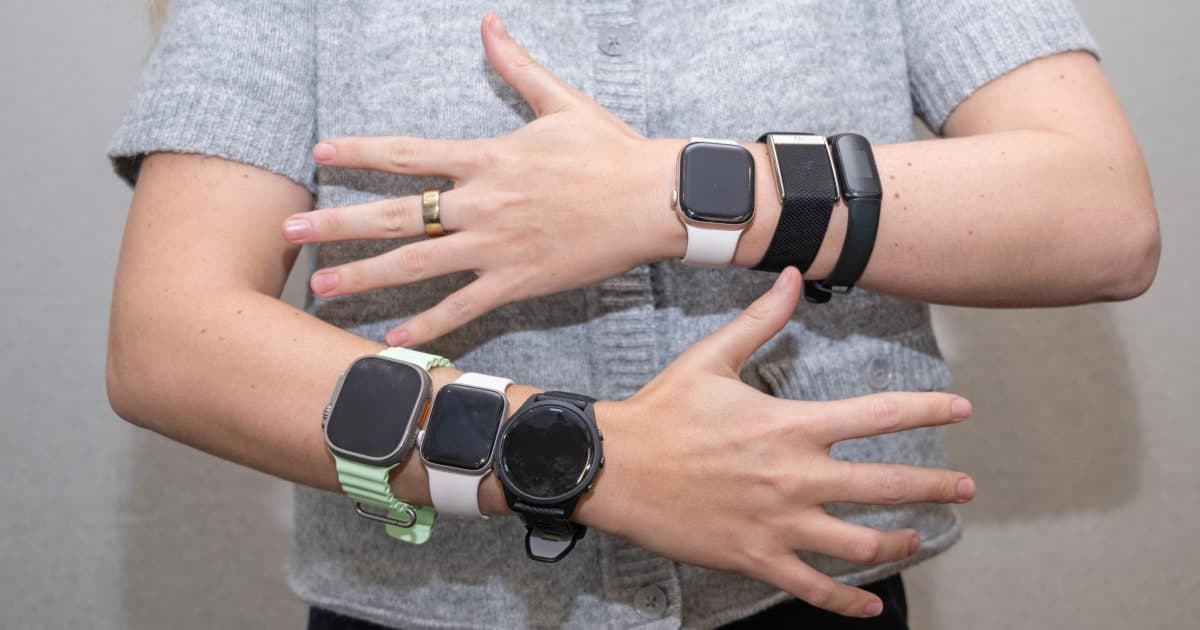
Metabolic intelligence maps to the booming wearables and biometrics economy, VML notes the global smart wearable market is expected to reach $186 billion by 2030, up from $84 billion in 2024, which is why gifts that translate biology into action feel modern and status‑appropriate. A wearable that measures HRV, VO2 max and sleep (Oura Ring models start around $299; premium smartwatches like Apple Watch begin around $399) makes a great present for the data‑minded friend. For someone serious about metabolic change, a starter continuous‑glucose‑monitoring (CGM) program plus coaching (kits and short coaching packages typically run $150–$400 to start) gives immediate, actionable feedback on meals and activity.

6. Environmental medicine
One of Coplin’s frontiers is Environmental Medicine; the Global Wellness Institute stresses that wellness will increasingly tackle environmental and human crises. That translates into gifts that detox the places people live: an indoor air‑quality monitor (reliable models are about $99–$199), a high‑efficiency HEPA/activated carbon purifier ($200–$500), or a subscription to low‑tox home‑cleaning refills ($20–$40/month). For the eco‑minded friend, combine an IAQ monitor with a plant‑based biophilic kit or a book on planetary health, small, practical tools that make a home a healthier, regenerative system.
7. Integrative health systems
The white paper frames the final frontier as systems and leadership: "Across industries a shared realization is emerging: wellness cannot be outsourced to experts, apps, or retreats alone, it must be designed into daily life." That’s the rationale for gifts that build daily systems: a functional‑medicine intake and six‑week coaching package ($400–$1,200 depending on practitioner), a membership to a blended wellness platform (digital + in‑person options commonly start around $100–$300/year), or tickets to community‑driven wellness events. VML/Future100 also flags loneliness as a crisis, "70% of people globally now see loneliness as an epidemic", and Beautymatter points to the "festivalization of wellness" (examples: Sanctum’s headphone‑led somatic dance experiences, Hyrox competitions). So consider gifting a shared experience, a weekend pass to a local wellness festival or a somatic dance class (tickets range $40–$250), because building social health is as vital as any biohack.
Conclusion If you want gifts that matter in 2026, stop buying one‑off indulgences and start funding systems: diagnostics plus follow‑up, data tools plus coaching, and experiences that build social circuitry. Dr. Marcus Coplin’s seven frontiers map the practical places where a thoughtful gift becomes daily care, choose one frontier, match the recipient, and you’ll give something that actually changes how they live.
This article was produced by Prism’s automated news system from verified source data, official records, and press releases, then run through automated quality and moderation checks before publishing. The system is built and supervised by the people who set the standards it runs under. Read our full AI policy.
Did this article answer your question?