Six personal care trends shaping self-care gifts and routines in 2026
Self-care gifting in 2026 centers on smarter devices, sensorial rituals, barrier-first formulas, authentic inclusivity, functional minimalism and repairable, clean products.

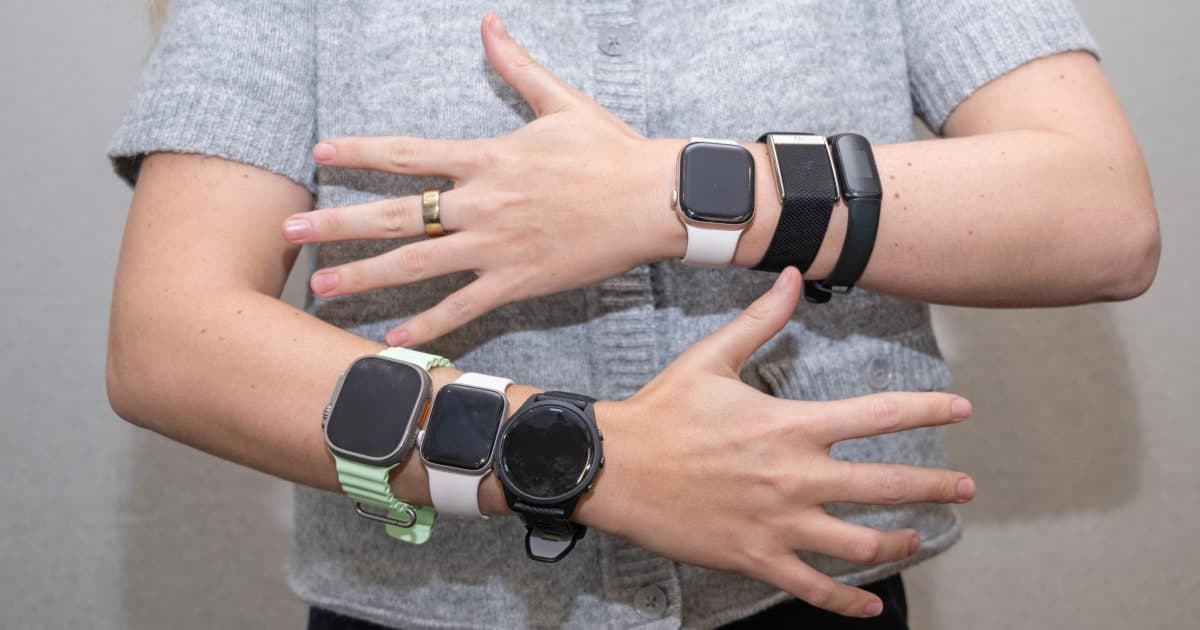
1. AI-powered personalization and smart at‑home devices
Personalization moves from promise to product: Philips names “AI-powered personalization in personal care devices” as a core trend, and BeautyIndependent says “AI-powered skin analysis” and “AI will move from novelty to infrastructure,” predicting real-time diagnostics and tailored regimens. Blog Aakpersonalcare adds that “AI-driven platforms will perform diagnosis, recommend or even formulate products tailored to your skin type, scalp condition, or even biomarker profile,” while IoT and genomics underpin “Hyper-personalization.” Philips also points to concrete device examples, “Lumea IPL with its SmartSkin sensor that analyzes skin tone and adjusts light intensity to promote safe and effective hair removal”, showing how device sensors plus AI create giftable tools that learn habits and optimize care. BeautyIndependent flags a parallel requirement: “As adoption grows, ethical AI and transparency will become essential,” so data privacy and explainable recommendations are now part of product value.
2. Sensorial wellness and ritualized routines
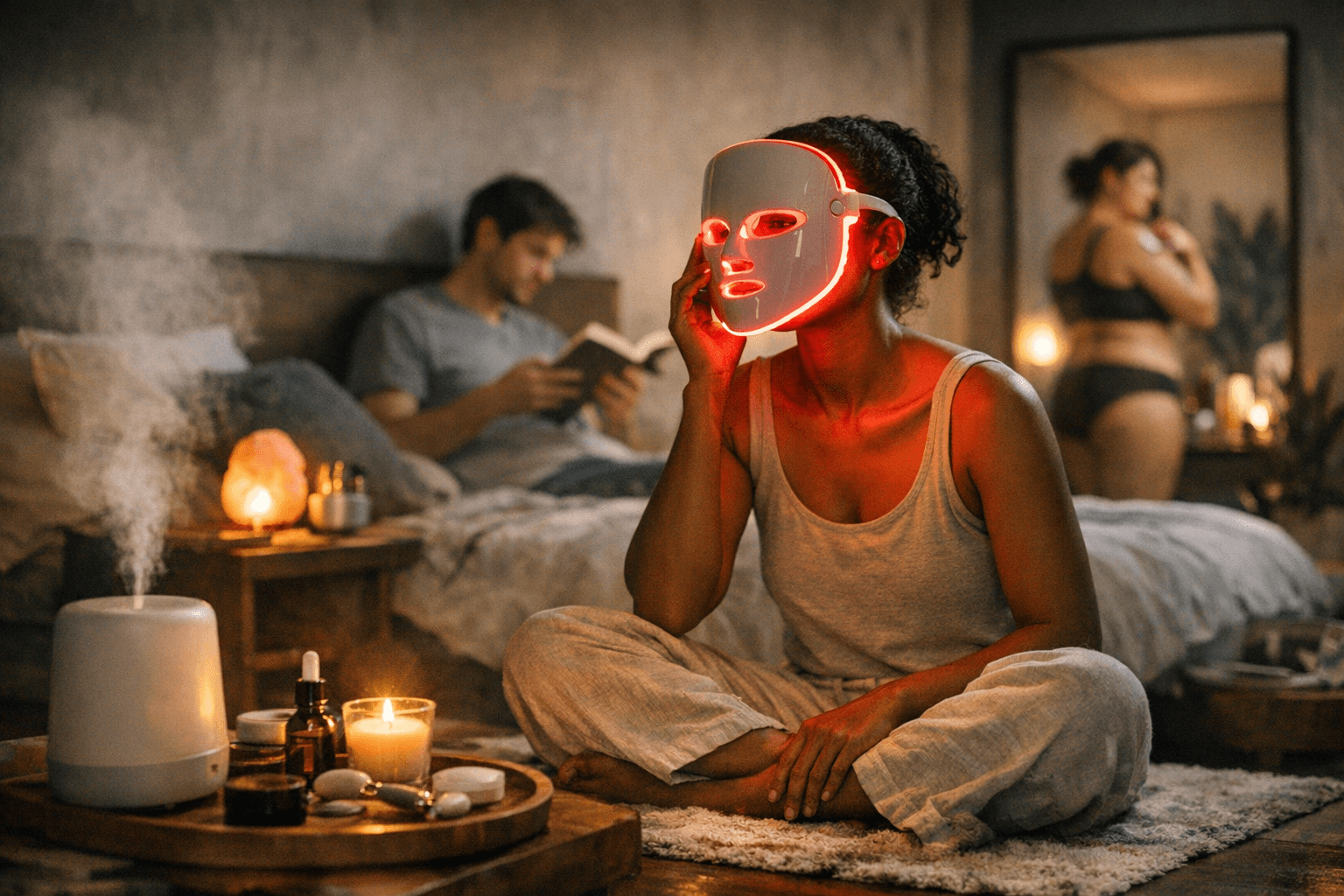
“Personal care has moved from routine to ritual,” Philips writes, and industry reports back that sensory experience drives habit formation. O&3 frames this as “SENSORIAL WELLNESS: TEXTURE AS FUNCTION,” noting that “Texture Drives Routine Consistency and Performance,” and cites Mintel data that “37% of body care users cite texture and skin feel as their primary decision factor.” Blog Aakpersonalcare’s “Sensorial Synergy” describes beauty as a multi-sensory moment, texture, fragrance and ritual delivering emotional uplift, while BeautyIndependent expects sensory skincare to tie “skincare to wellness and self-care.” For gift-giving, that means elevated textures, calmative scents and ritual-ready tools that transform daily maintenance into a meaningful, repeatable moment.
3. Skin barrier, microbiome and postbiotic-first formulas
Barrier health is no longer niche: O&3 highlights “THE PERSONAL BARRIER: Adaptive Care for Modern Lifestyles” and cites Mintel’s finding that “76% of global facial skincare users now associate a healthy skin barrier with overall skin health, not just hydration.” BeautyIndependent emphasizes the rise of the skin microbiome and postbiotic treatments designed “to balance the skin’s natural flora, reduce inflammation and support barrier integrity.” As a gifting category, barrier-first serums, postbiotic creams and formulations that explicitly claim barrier support, backed by barrier-focused messaging, will resonate with consumers prioritizing long-term skin health.
4. Inclusivity, authenticity and the men’s skincare surge
Blog Aakpersonalcare places “Inclusivity, Diversity & Human Authenticity” at the forefront, noting consumers want representation across textures, tones and identities: “Consumers demand products and brands that reflect everyone, not just an idealized subset,” and the “Human Touch Revolution” (a Mintel prediction) “emphasizes authenticity over perfection.” The blog is blunt: “people don’t just want to look beautiful, they want to feel and be themselves.” That market shift intersects with growing male demand: Blog Aakpersonalcare reports “One segment where we are seeing exponential growth is the men’s skincare market,” adding that brands now “offer complete collections tailored to men’s specific needs such as thicker, oilier skin,” a point Philips corroborates with “Maintaining skin care is also becoming a higher priority, particularly for men.” Gifts that foreground shade inclusivity, diverse texture solutions, and targeted men’s collections will meet clear market momentum.
5. Functional minimalism and multi‑purpose formulations
O&3 labels a major movement “FUNCTIONAL MINIMALISM,” with prescriptive bullets: “Fewer Products, Higher Purpose”; “Ingredients must provide demonstrable function”; and “Multi-functional products are reducing SKU complexity.” BeautyIndependent echoes this, predicting that “2026 will be about using fewer products to receive a better result,” as improved technologies deliver efficacy over “frilly marketing.” The report also notes how sensory experience supports routine consistency, and that “fragrance is shifting toward skin-close, personal scent identity.” For gift buyers, the takeaway is pragmatic: choose multi-action essentials and consolidated kits that promise demonstrable results and streamline daily rituals.
6. Repairable, clean and operationally sustainable products, and what manufacturers are doing
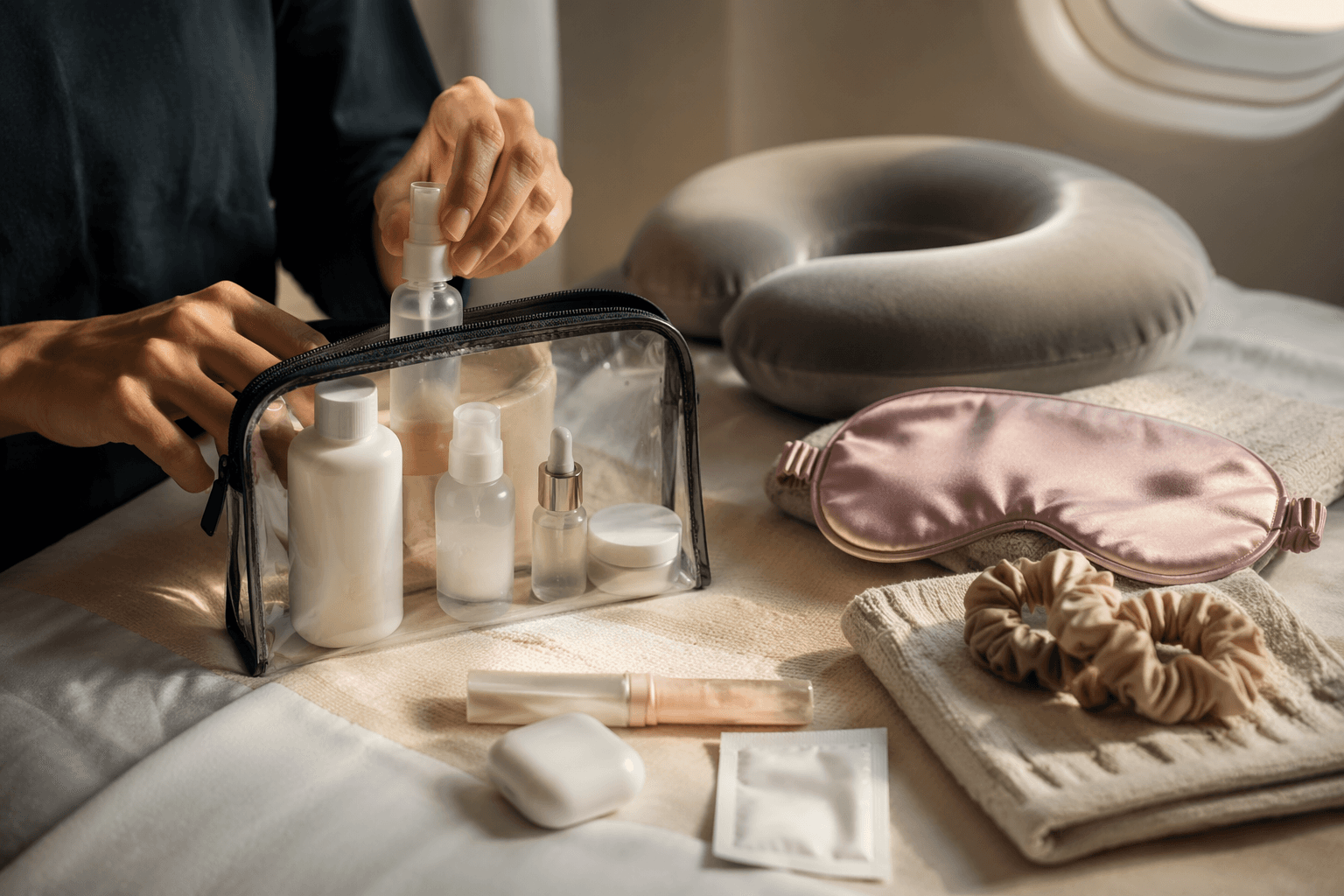
Sustainability is now baseline: Philips uses the explicit heading “Repairable and sustainable personal care products,” Blog Aakpersonalcare calls it “Sustainability & Clean Formulations: Values Matter,” and PLZ Personal Care Solutions forecasts that “the focus on eco-friendly products and clean ingredients remains strong with sustainability now a baseline expectation for both brands and consumers.” O&3 pushes the point further: “Sustainability is operational rather than aesthetic.” From an industry perspective PLZ’s Laura Quille, Vice President of Marketing and R&D, frames the supply-side response: “When our seasoned team manages the entire design, manufacturing, and delivery process for personal care products, our on-time delivery and performance are consistently stronger. Just as importantly, this approach frees our customers to focus on their core strengths – a win-win situation for everyone involved.” For gifting, prioritize repairable devices, transparent ingredient lists, refillable formats and brands that demonstrate supply‑chain commitments, those attributes are now core to quality and longevity.
Closing note (practical framing) Across Philips, O&3, Blog Aakpersonalcare, BeautyIndependent and PLZ, the story is consistent: self-care gifts in 2026 reward craftsmanship and clarity, intelligent, ethical tech; sensorial, ritual-ready formulations; barrier-first efficacy; inclusive ranges; streamlined multi‑taskers; and repairable, clean products. Look for clear labeling (postbiotic, barrier support), device sensors like SmartSkin, Mintel-backed stats (76% barrier association; 37% texture preference) and explicit manufacturer commitments when you shop or curate gifts this year.
This article was produced by Prism’s automated news system from verified source data, official records, and press releases, then run through automated quality and moderation checks before publishing. The system is built and supervised by the people who set the standards it runs under. Read our full AI policy.
Did this article answer your question?