Sustainable sleepwear gifts, organic fibers for cooler, better rest
Organic sleepwear is a gift that earns its keep nightly, with breathable fibers, safer finishes, and a fit that actually improves rest.
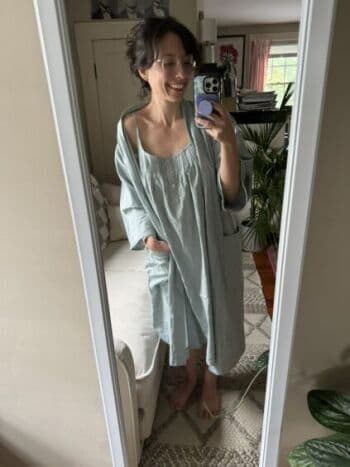
Organic sleepwear is one of those gifts that looks thoughtful on the surface and proves it in the dark, night after night. The right set can feel cooler, breathe easier, and hold up longer than the pretty-but-disposable pajamas that never quite earn drawer space. When the fabric is chosen well, self-care becomes practical.
Why organic fibers matter in sleepwear
The strongest case for gifting better sleepwear starts with how it feels at 2 a.m. Natural fibers like organic cotton, linen, and bamboo allow air to circulate around the body, which can help regulate temperature during sleep. That matters because a good set of pajamas should do more than look polished in a gift box: it should reduce that clammy, overheated feeling that makes rest harder to come by.
The material story also extends beyond comfort. Some synthetic pajamas may be treated with PFAS, the so-called forever chemicals, or flame retardants, which is one reason sustainable sleepwear has moved from niche to mainstream. The U.S. Environmental Protection Agency says PFAS are found widely in water, air, fish, soil, and blood, and scientific studies have linked some exposures to harmful health effects. The American College of Obstetricians and Gynecologists has also connected toxic environmental exposures to infertility, miscarriage, preterm birth, low birth weight, and certain developmental harms, which gives the cleaner-fiber conversation real weight for gifts meant to support everyday well-being.
If you want one label to trust, GOTS is the one to know. The Global Organic Textile Standard is a worldwide benchmark for organic textiles, and it covers the production process from growing cotton through dyeing and sewing, while also incorporating environmental and social criteria across the supply chain. That makes it a far stronger signal than a vague “eco” claim printed on a hangtag.
For hot sleepers, keep it light and breathable
Hot sleepers do best in fabrics that move heat away from the body instead of trapping it. Organic cotton, linen, and bamboo are the obvious starting points because they are airy and less clingy than many synthetic blends. The smartest fit is relaxed but not sloppy: think room through the torso, sleeves that do not pinch, and waistbands that sit smoothly instead of digging in.
The sleep science backs up the intuition here. A systematic review in the Journal of Sleep Research found that sleepwear and bedding fiber types can affect sleep quality by changing thermal comfort and body temperature. In other words, the pajama fabric itself can influence whether someone falls asleep easily and stays comfortable through the night. For a warm sleeper, that makes a loose organic cotton set or a breezy linen option feel far more luxurious than something shiny and synthetic.
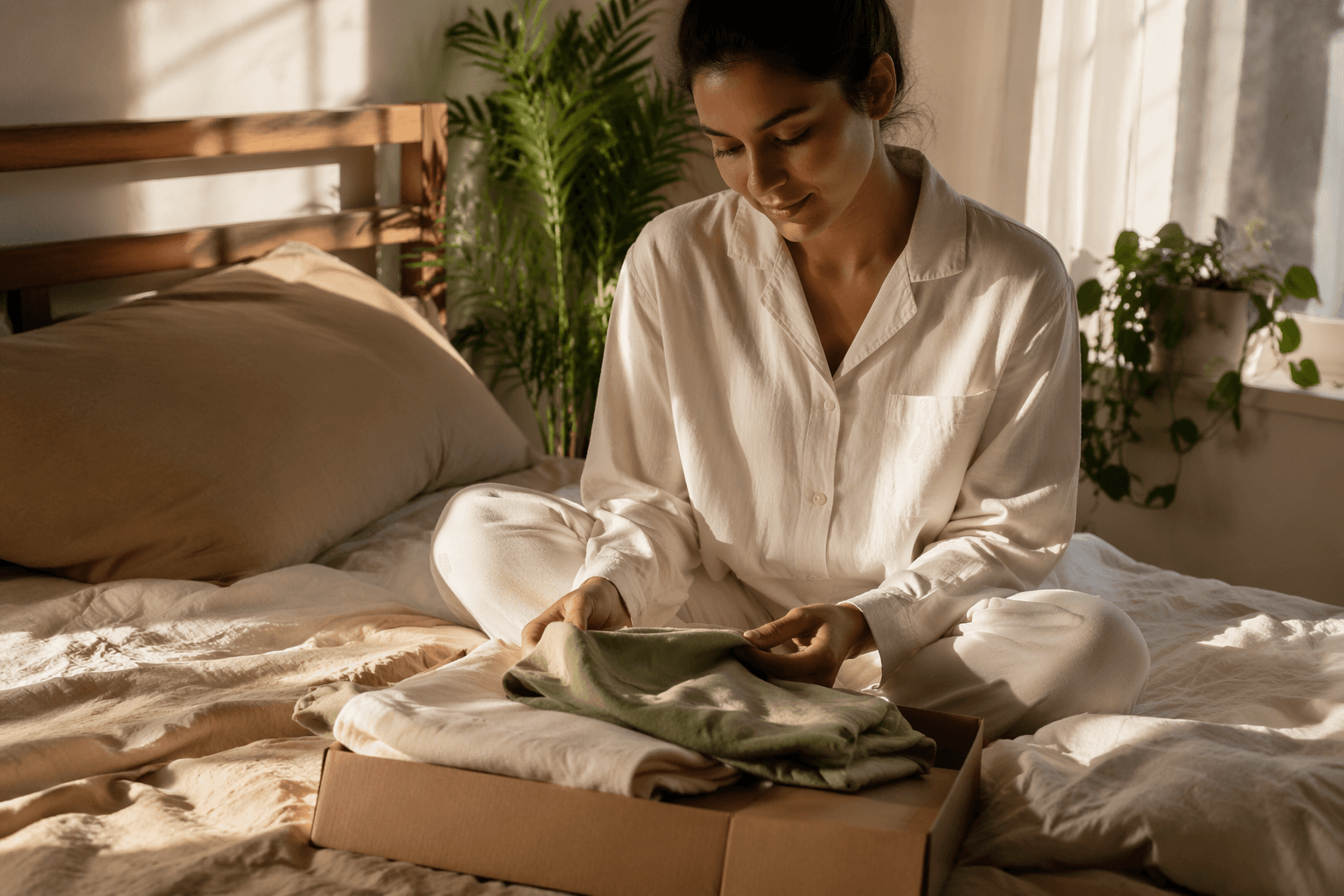
For sustainability-minded giftees, certification matters as much as softness
If the person on your list reads labels the way other people read menus, lead with certification. GOTS is the clearest standard here because it traces the textile from fiber to finished garment and adds environmental and social criteria along the way. That is the difference between a product that merely says “natural” and one that has a meaningful chain of accountability behind it.
The market is moving in the same direction. SGS has noted that PFAS have long been used in textiles for water- and stain-resistance, but stricter regulations are pushing brands to replace them. bluesign says multiple PFAS bans took effect in January 2026, with more still ahead. Consumer guides from Good On You, The Filtery, and EcoCult also continue to spotlight organic cotton, bamboo, TENCEL, Lyocell, and silk alternatives, which tells you this is not a passing aesthetic trend but a real shift in what shoppers want from sleepwear.
For this recipient, the best gift is the one with fewer claims and better proof. Look for clean construction, honest fiber content, and a certification that can be traced.
For new moms, softness and ease win every time
New moms need sleepwear that feels gentle on stressed skin, handles frequent washing, and still looks put-together when the day starts before sunrise. Organic cotton is the safest all-around bet because it is breathable, familiar, and easy to wear in long stretches. Bamboo can be a strong second choice when the priority is a silky hand feel with good airflow.
Fit matters more here than flair. Choose pieces with an easy waistband, enough room through the hips, and seams that will not irritate sensitive skin. A button-front top can be especially useful because it feels polished, but it is also practical for nursing and quick changes without making the garment feel like medical wear.
For work-from-home loungers, choose pajamas that can double as daywear
Some of the best sleepwear gifts are really hybrid wardrobe pieces. The work-from-home lounger wants something that feels restful enough for bed but refined enough for a coffee run or a midday video call. That is where organic cotton poplin, soft linen, or a bamboo blend in a tailored-but-relaxed cut makes sense.
This is where fit details become the difference between “nice pajamas” and “something I reach for constantly.” A slightly structured button-down, straight-leg pants, and sleeves that hold their shape can make the set feel intentional instead of purely casual. The goal is to preserve comfort without losing the sense that the gift was chosen with taste.
When wool belongs in the conversation
Wool is the sleeper hit in this category, especially for people who run cool. A systematic review in the Journal of Sleep Research found that wool sleepwear showed benefits for sleep onset in adults in cool conditions and older adults in warm conditions, which is a useful reminder that warmth and breathability are not opposites. One study of adults ages 50 to 70 compared cotton, polyester, and Merino wool sleepwear over four nights at 30°C and 50 percent relative humidity, underscoring how seriously fiber choice can shape nightly comfort.
That makes wool especially smart for a gift recipient who wants cozy without overheating. Merino, in particular, brings a softer, lighter feel than many people expect from wool, and it deserves a place alongside cotton and linen rather than behind them.
The best gift is the one they will actually wear
The most generous sleepwear gifts are not the flashiest ones. They are the sets made from fibers that breathe, finishes that feel cleaner, and cuts that make sleep easier instead of fussier. Organic cotton, linen, bamboo, and, for the right sleeper, Merino wool, all earn their place because they improve the ordinary ritual of getting dressed for bed. That is what makes them feel luxurious: not excess, but care.
This article was produced by Prism’s automated news system from verified source data, official records, and press releases, then run through automated quality and moderation checks before publishing. The system is built and supervised by the people who set the standards it runs under. Read our full AI policy.
Did this article answer your question?