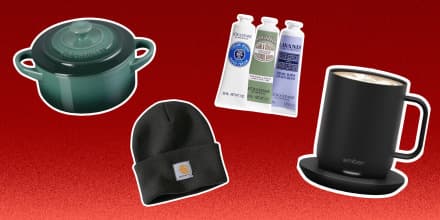
Brits plan to spend over £1.5 billion on Valentine’s Day gifts, YouGov finds
Brits were set to spend more than £1.5 billion on Valentine’s gifts, but cards, flowers and food proved more compelling than pricey grand gestures.
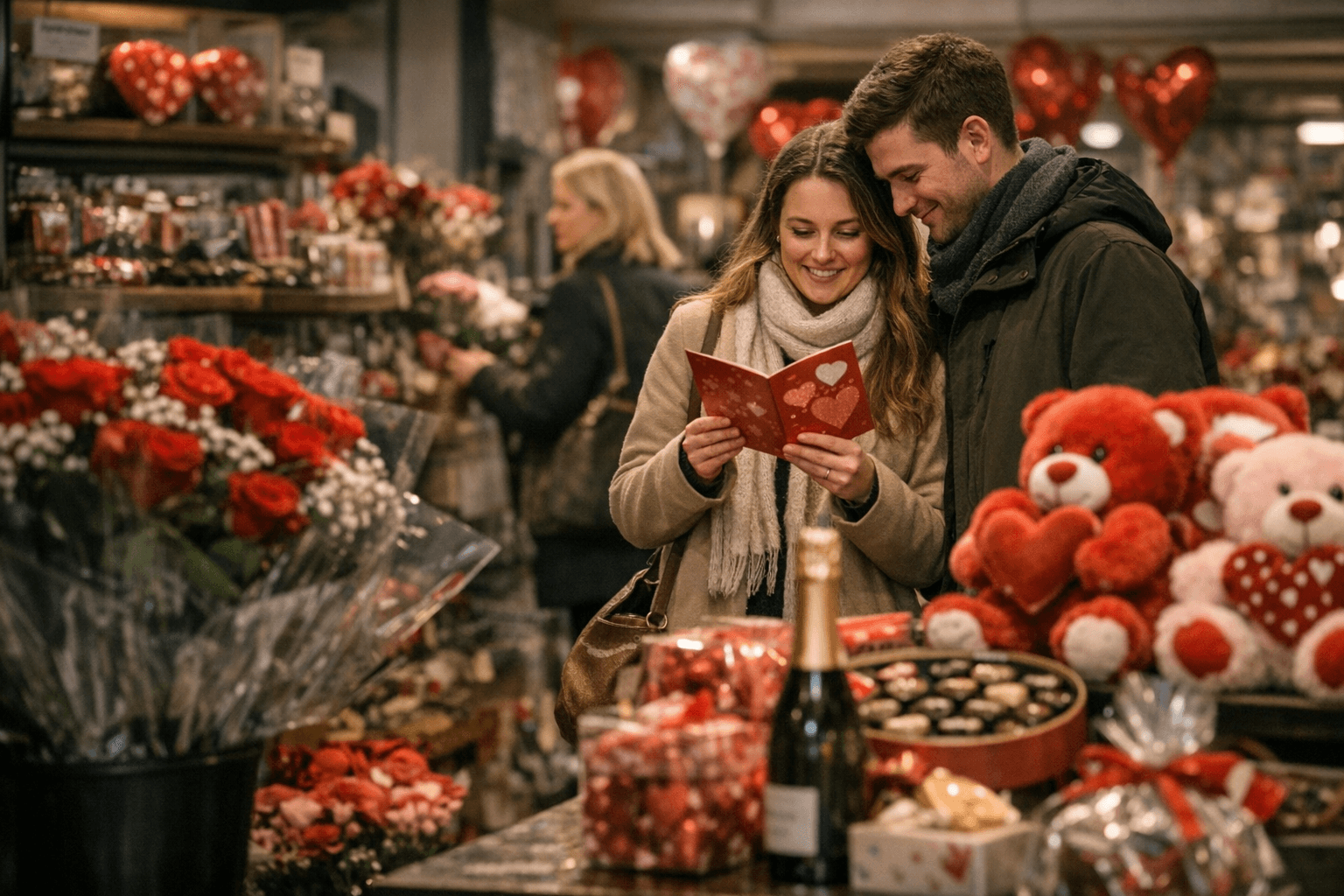
Valentine’s Day remained a big retail habit in Britain, with 68% of Brits saying they planned to celebrate in 2026, about 37.5 million people. Finder estimated 58% of UK adults would spend money and put total spending at more than £1.5 billion, with men budgeting £57 on average against £41 for women. The gap was not just about cash; it pointed to different instincts around who buys, when they buy and what counts as a meaningful gesture.
YouGov’s Valentine’s data suggested the occasion was still overwhelmingly romantic, but not exclusively so. In its January 2024 survey, 76% said they celebrated only with romantic partners, while 16% included family and friends as well. Women were far more likely than men to widen the circle, with 24% celebrating with romantic partners plus family and friends compared with 7% of men. That matters for shoppers: the best Valentine’s gift is not always the most theatrical one, but the one that fits the relationship the recipient is actually in.
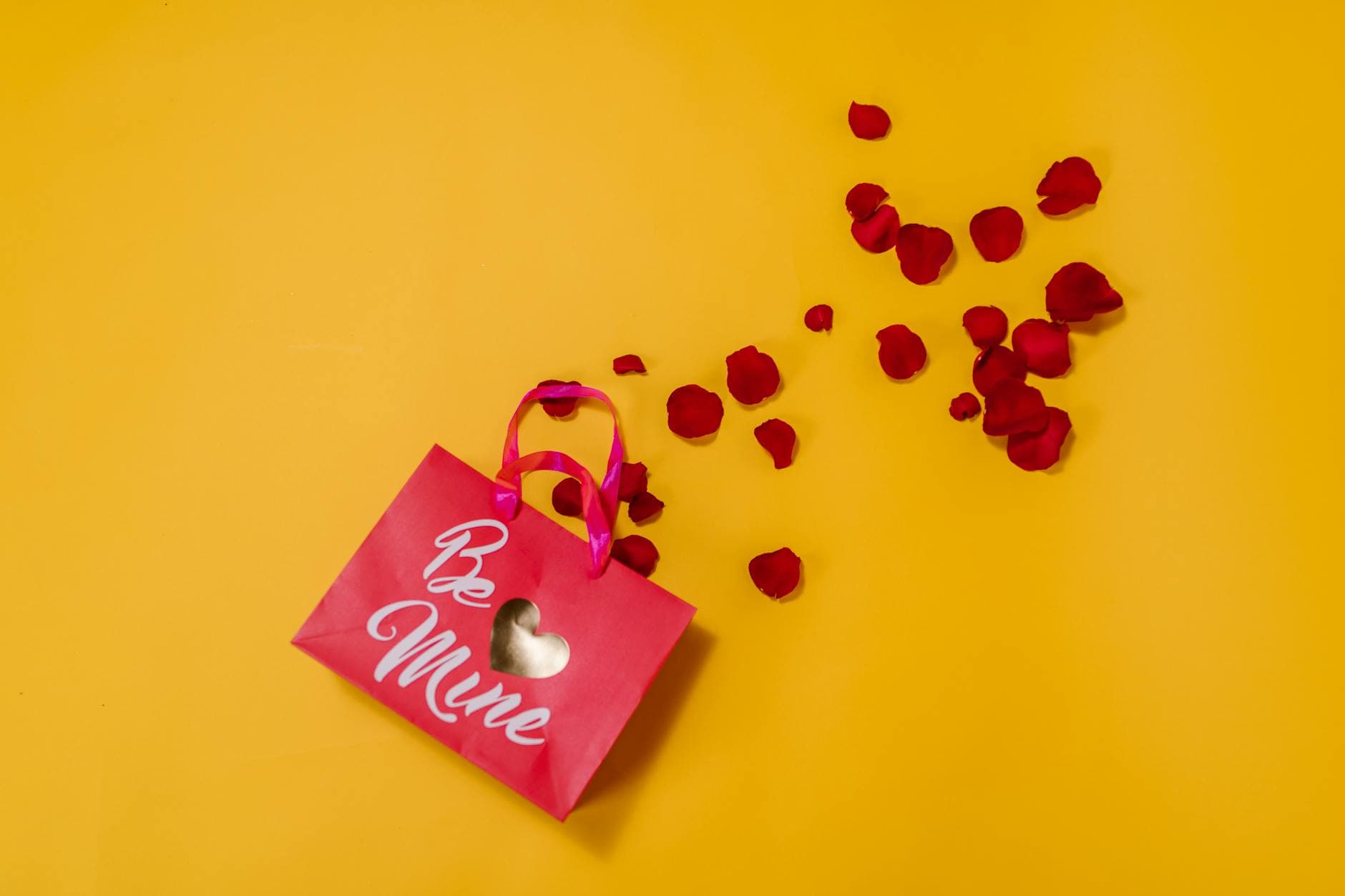
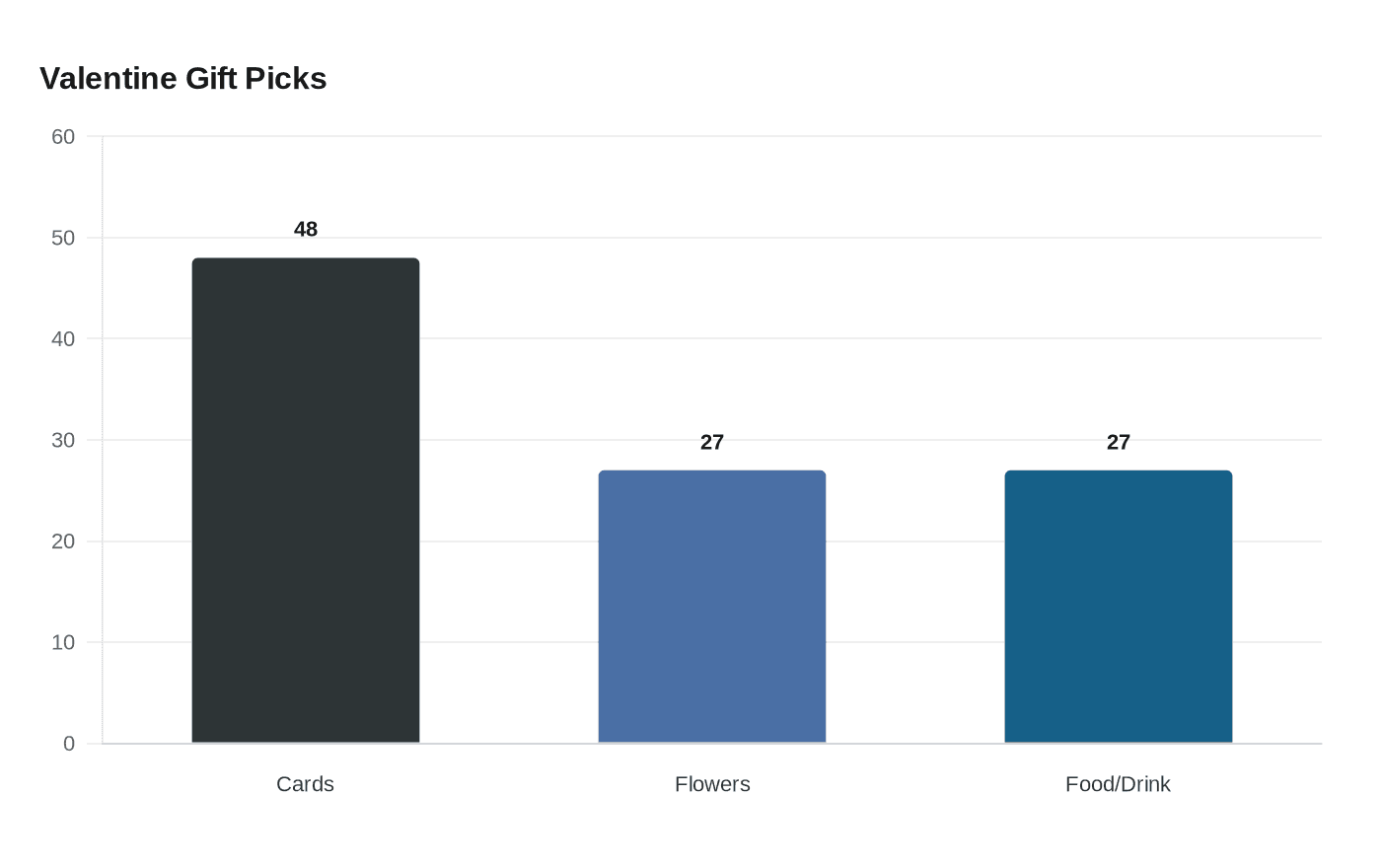
The gift shortlist was even more revealing. Greeting cards were the top item Britons said they wanted in 2024, at 48%, ahead of flowers and food or drink at 27% each. Gen Z leaned hardest into flowers, at 53%, and food or drink, at 48%, while Baby Boomers preferred cards, at 55%. In YouGov’s 2025 follow-up, chocolates were the most popular intended purchase among celebrating couples, at 12%, followed by flowers at 10% and food at 9%. Men were especially likely to plan flowers, with 18% saying they would buy them versus 3% of women.
That mix also showed up in the till. NIQ said £962 million was spent across Valentine’s Day food and gifting in 2025, including £100 million on cut flowers, £19 million on fragrances, £5.8 million on toiletries gift packs and £137 million on fresh ready meals. Nearly £11 million went on champagne and £38 million on sparkling wine. Discounters were the fastest-growing channel, up 6%, and promotions accounted for 24% of sales, a reminder that the holiday’s commercial engine is as much about timing and presentation as it is about price.
The sharper lesson is that Valentine’s gifting rewards specificity. Women’s stronger tilt toward personalised gifts in broader UK gifting surveys, and the finding that thoughtfulness mattered more than price for most respondents, reinforce the same point: a well-chosen card, a bottle for dinner, a flower delivery or a ready meal planned with intent can feel more luxurious than an expensive but generic purchase. The money is real, but so is the message, and the gifts that land are the ones that sound like they were chosen for one person, not for Valentine’s Day in general.
This article was produced by Prism’s automated news system from verified source data, official records, and press releases, then run through automated quality and moderation checks before publishing. The system is built and supervised by the people who set the standards it runs under. Read our full AI policy.
Did this article answer your question?