Find the Perfect Fine Jewelry Gift for Your Valentine This Year
Fine jewelry makes the most meaningful Valentine's gift when you know what to look for — here's how to choose something worth keeping forever.
Fine jewelry has a way of saying what flowers and chocolates simply can't. It lasts. It gets passed down. It sits on someone's wrist or around their neck years after the occasion that inspired it. That's exactly why Valentine's Day is one of the most important gifting moments in the fine jewelry calendar, and also why it's worth slowing down before you buy.
The difference between a piece someone wears every day and one that ends up in a drawer usually comes down to a few key decisions made at the point of purchase. Understanding metal types, stone quality, and construction isn't just for gemologists. It's for anyone who wants to give a gift that actually holds up.
Start with the metal
Metal choice sets the tone for everything else. Gold is the most traditional option for fine jewelry, and it comes in more varieties than most people realize. Yellow gold has a warmth that reads as classic and romantic; white gold offers a cooler, more contemporary look; rose gold sits somewhere in between and has remained genuinely popular rather than just trendy. The karat number matters here. 14-karat gold contains 58.3% pure gold mixed with alloys for durability, while 18-karat gold is 75% pure and carries a richer color and a slightly higher price. For everyday pieces, 14-karat is often the smarter choice because it holds up better to wear. For something that will be handled more gently, like a pendant or earrings, 18-karat is a beautiful option.
Platinum is the other serious contender. It's denser and more durable than gold, naturally white without needing rhodium plating, and hypoallergenic, which matters if your Valentine has sensitive skin. It also costs more, both at purchase and at resizing, so factor that in. Sterling silver works well for fashion jewelry but isn't considered fine jewelry in the traditional sense, and it will tarnish over time without consistent care.
Understanding stones
If you're considering a piece with a center stone or accent diamonds, the four Cs are your framework: cut, color, clarity, and carat weight. Of these, cut is the one that most directly affects how a diamond looks to the naked eye. A well-cut diamond returns light brilliantly regardless of its carat size. Color grades run from D (colorless) down through the alphabet, with most buyers finding excellent value in the G-to-I range, where any warmth is virtually invisible once the stone is set. Clarity refers to internal inclusions, and again, VS2 or SI1 grades often represent the sweet spot where the stone looks clean without carrying a flawless price premium.
For Valentine's gifting specifically, colored gemstones deserve serious consideration. Rubies, with their deep red, are practically made for February 14th. Sapphires come in more colors than most people associate with the stone, including pink and peach varieties that read as genuinely romantic. Emeralds bring a lushness that feels different from diamond's sparkle. Each of these stones has its own hardness and care requirements, which is worth knowing before you buy. Rubies and sapphires are corundum and extremely durable for daily wear. Emeralds are softer and more included by nature, so they require a bit more care.
The four jewelry categories and what works for Valentine's Day
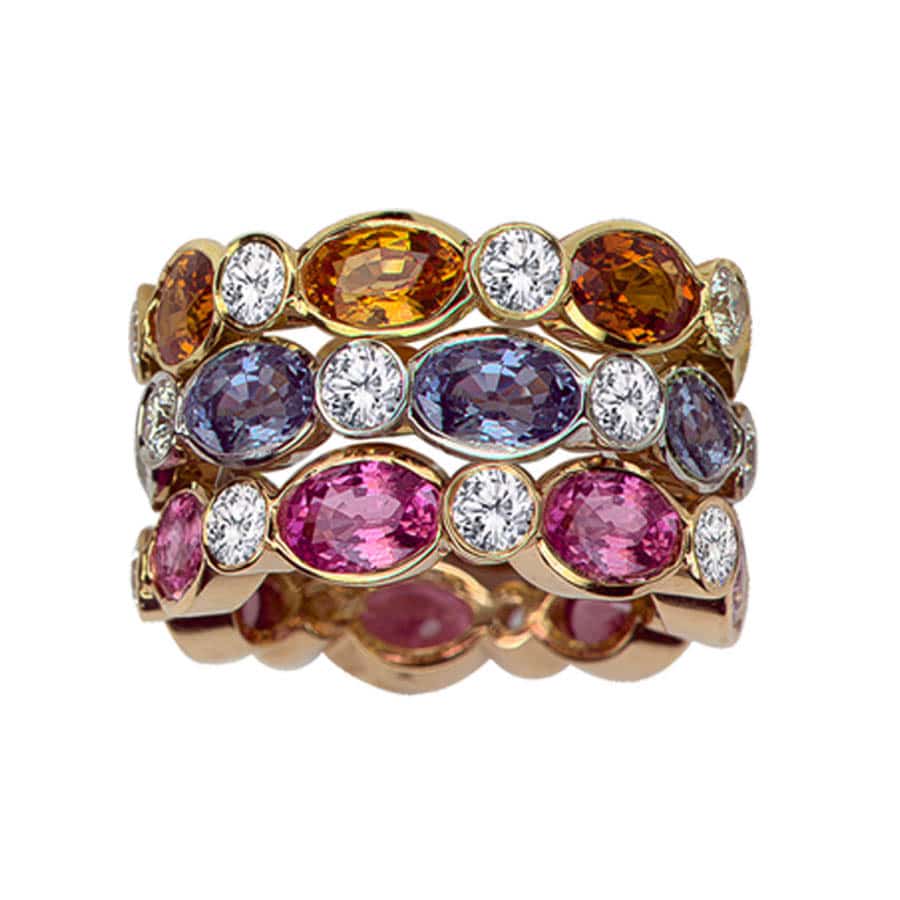
Rings carry the most emotional weight in this category, which is why they require the most thought. A ring implies a level of intentionality. If you're shopping for a partner and the relationship context is right, a right-hand ring or a birthstone ring sidesteps any engagement ring ambiguity while still feeling significant. Stack rings in gold have become a genuinely wearable, giftable option because the recipient can add to the stack over time.
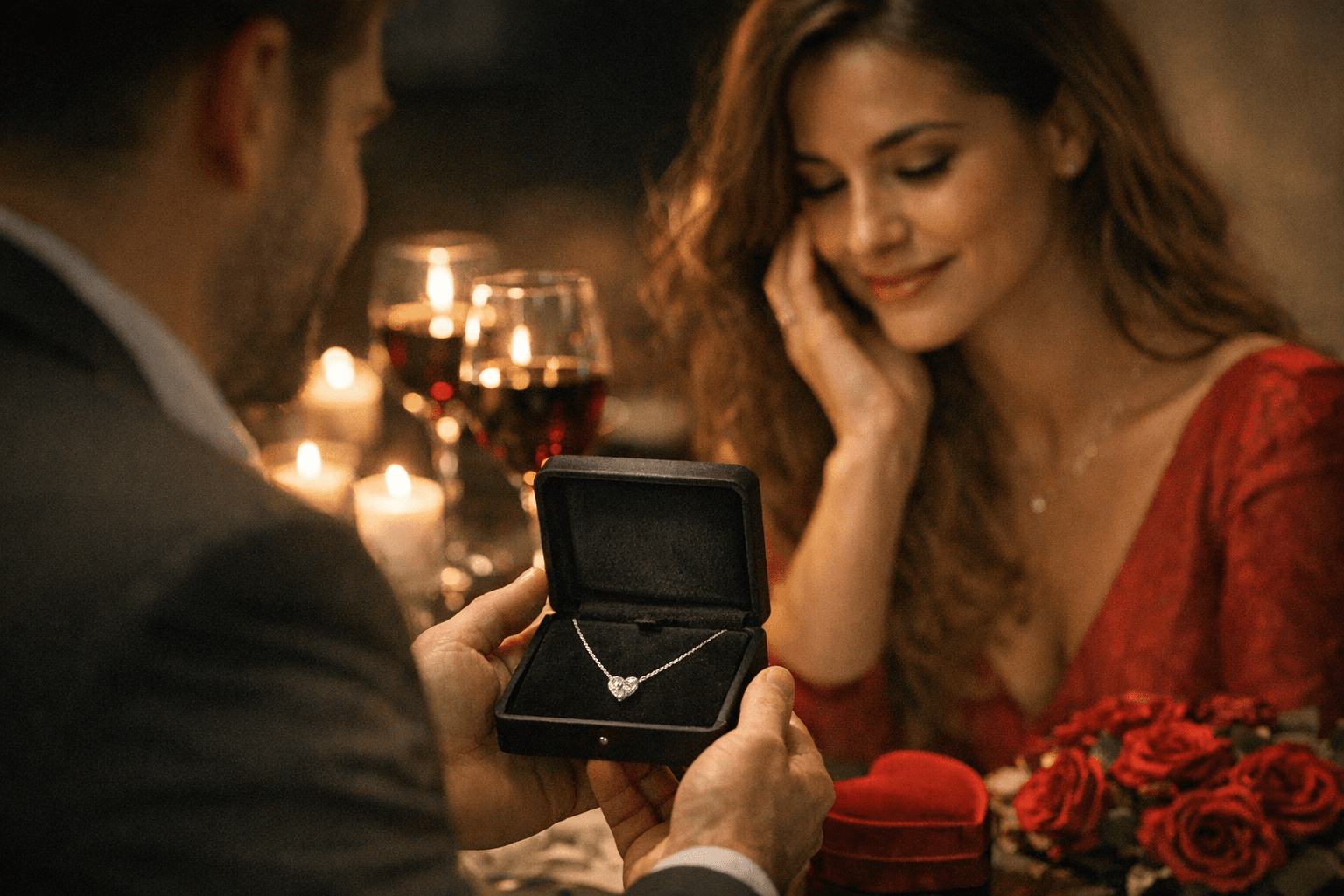
Necklaces are one of the most versatile Valentine's options. A delicate pendant in gold, whether a small diamond solitaire, an initial, or a symbolic charm, hits the right note of personal without being overwhelming. Necklace length matters more than most buyers realize: a 16-inch chain sits at the collarbone, 18 inches falls at the base of the neck, and 20 inches hits just below. If you're unsure, 18 inches is the most universally flattering and the most commonly purchased length.
Earrings are the underrated Valentine's gift. They're intimate enough to feel special but practical enough that virtually anyone who wears jewelry will actually use them. Diamond studs in 14-karat white or yellow gold are the classic move here, and they represent genuinely strong value in the fine jewelry category. If studs feel too expected, a small hoop in gold or a drop earring with a colored stone brings a little more personality.
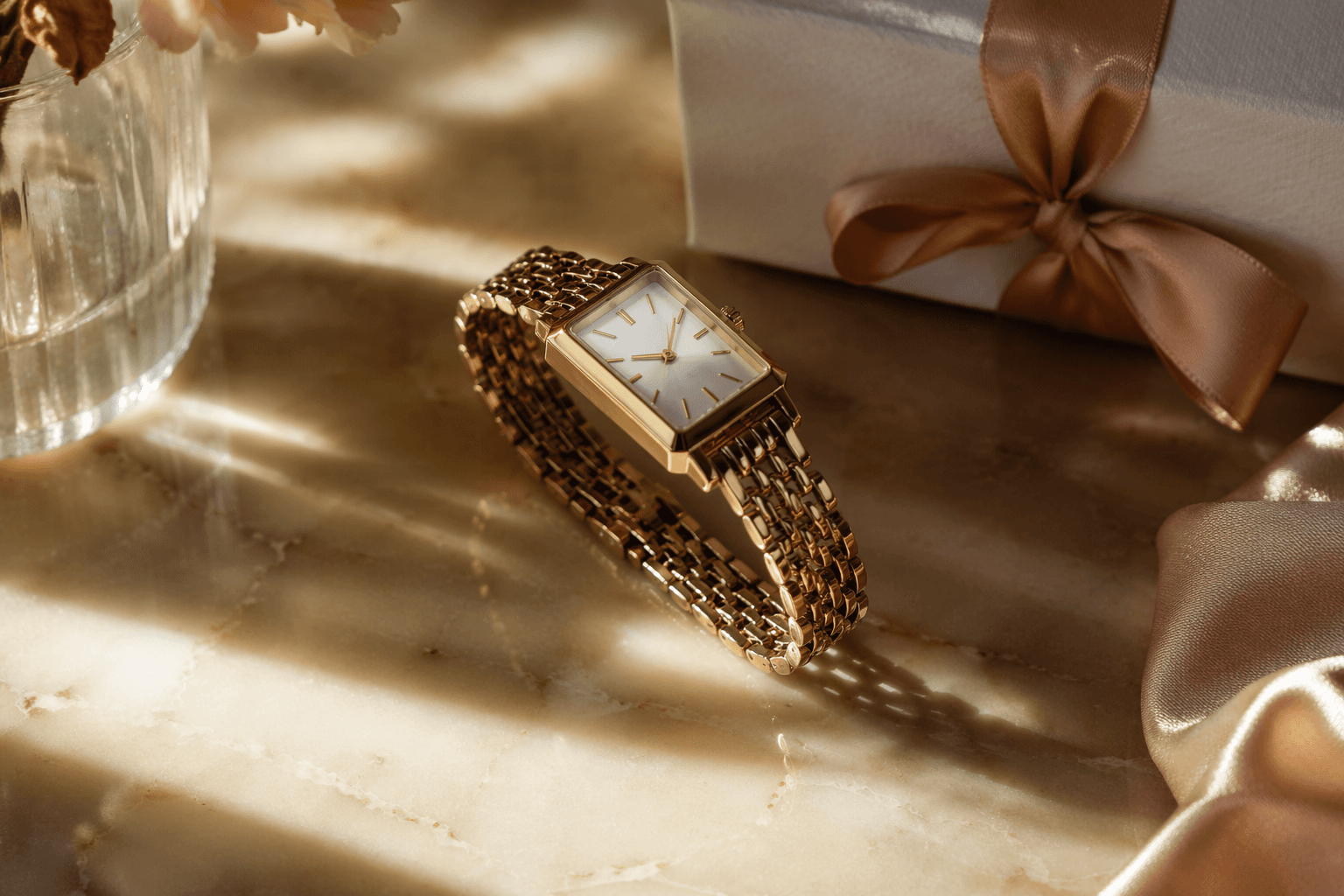
Bracelets land well as gifts because sizing is more forgiving than rings. A delicate gold chain bracelet or a tennis bracelet with diamond accents is wearable across a wide range of personal styles. Tennis bracelets in particular have seen a strong resurgence and work as well dressed down with a white t-shirt as they do dressed up.
What to look for in a jeweler
The American Gem Society, known as AGS, is a nonprofit organization of jewelry professionals committed to consumer protection and ethical business practices. AGS-member jewelers are a useful benchmark when you're vetting a retailer, whether shopping locally or online. The organization trains and certifies gemologists and holds its members to a strict code of ethics.
When evaluating any jeweler, a few practical checks matter. Ask whether stones come with independent grading reports from institutions like the Gemological Institute of America. A reputable jeweler will welcome this question, not deflect it. Look for transparent return and resizing policies, especially for rings. And pay attention to how a salesperson talks about the jewelry: the best ones help you understand what you're buying, not just what it costs.
Getting the budget right
Fine jewelry pricing varies enormously based on materials, craftsmanship, and brand. A simple 14-karat gold pendant can start around $150 to $300 at a reputable independent jeweler. Diamond stud earrings in a half-carat total weight range from roughly $500 to $1,500 depending on quality grades. A tennis bracelet can run from $1,000 to several thousand dollars depending on total carat weight and metal.
The price isn't the point. The point is that fine jewelry, unlike most gifts, holds intrinsic value over time. The gold in that necklace has real worth. The diamond in those studs doesn't disappear. When you choose well, you're not just spending money on a Valentine's gift; you're adding something of genuine, lasting value to someone's life. That's a meaningful distinction worth making when you're deciding what to give.
This article was produced by Prism’s automated news system from verified source data, official records, and press releases, then run through automated quality and moderation checks before publishing. The system is built and supervised by the people who set the standards it runs under. Read our full AI policy.
Did this article answer your question?