Five Heart-Shaped Houseplants to Gift This Valentine’s Day
Give a living heart this Valentine’s, five plants with true heart-shaped leaves, clear care notes, and gift-ready options that last longer than a bouquet.
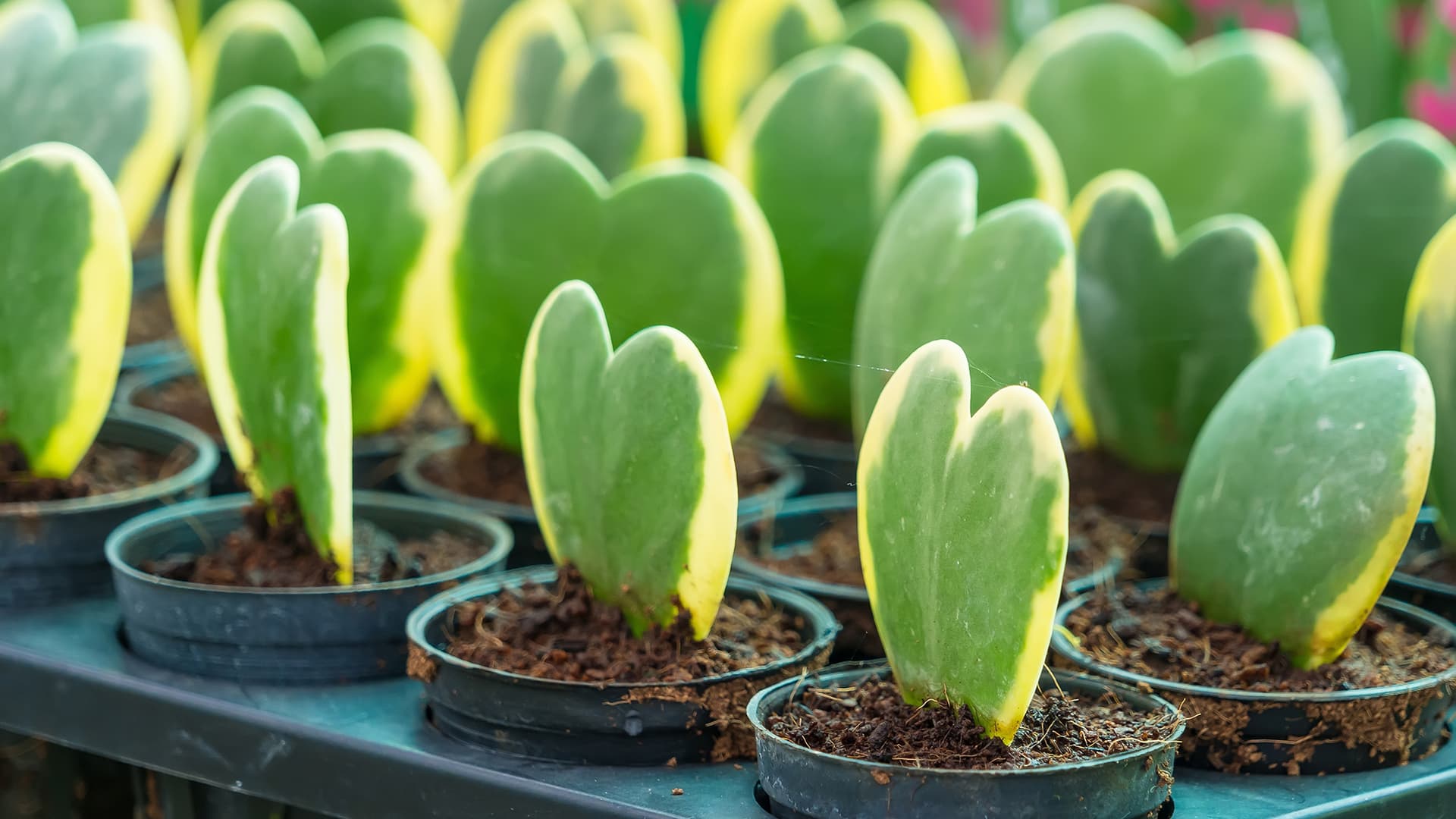
Flowers are lovely, but they fade quickly; houseplants offer a living symbol of affection that endures. Below are five heart-shaped houseplants to consider, with exact care, pet-safety, and shopping details drawn from horticultural and retail sources so you can pick the right green valentine.
1. Hoya kerrii (Sweetheart Hoya)
An ideal gift on Valentine’s Day, the sweetheart Hoya, also called Hoya kerrii or the Hoya heart, features the literal heart-shaped succulent leaf that makes it unmistakable. Birds & Blooms notes it “requires minimal maintenance” and is “often sold as a leaf cutting; these single-leaf hoya plants typically maintain their size and shape without growing for multiple years, so there’s no need to repot.” Care is straightforward: it “thrives in indirect sunlight and well-drained soil and temperatures between 65 and 80 degrees,” and importantly Birds & Blooms confirms the Hoya heart plant “is not toxic to animals, so it’s a perfect choice for a pet owner as well.” If you want a gift-ready presentation, Planet Desert lists a “Hoya Heart Gift With Colorful Decorative Ceramic Pot.”
2. String of Hearts (Ceropegia woodii)
“When one heart isn’t enough,” Diane Blaze, Executive Director at the National Garden Bureau, says, “this vine provides an entire cascade. Its trailing stems are dotted with small green and silver hearts, occasionally blushing with pink. It’s a sun-lover perfect for south-facing windows.” The botanical name is Ceropegia woodii (variegated form sold as Ceropegia woodii variegata), and Planet Desert offers it as a 6‑inch plant, an easy, trailing option for hanging pots or high shelves. Shopping Yahoo also highlights a whitewashed gift planter (with a heart-shape pre-tied to the planter) that measures 5.9 (D) x 5.9 (W) x 5.9 (H) inches and is suitable for both indoor and outdoor use, making it a neat pairing if you want a finished, shelf-ready present.
3. Anthurium
Diane Blaze calls Anthurium “a tropical showstopper where both the glossy leaves and the flashy red or pink flowers are heart-shaped,” adding, “What’s more, it blooms almost year-round, making it a plant that keeps on giving. To keep it thriving, it prefers indirect light, so keep it away from sunny windowsills.” Birds & Blooms provides botanical context that complements this description: “There are 13 species that make up the Anthurium genus, most featuring heart-shaped flowers and leaves,” and it points out that “interestingly, the ‘flowers’ on an anthurium plant aren’t flowers at all, they’re leaves!” For care, Birds & Blooms recommends to “place it in bright, indirect light and water only when soil becomes dry (typically between one and two weeks).” Note the pet-safety caveat from Birds & Blooms: “Because it is somewhat toxic to animals, do not give anthurium to a dog or cat owner.”

4. Heartleaf Philodendron (Philodendron cordatum)
The classic Heartleaf Philodendron, Philodendron cordatum, makes a reliable, forgiving houseplant that also carries an environmental bonus in some gardening coverage: Succulentsbox reports it “was also included in the NASA Clean Air Study and proven to be effective in removing formaldehyde from the air.” In the wild it “climbs up trees in the forest canopy,” and as a houseplant it “prefers indirect sunlight and can tolerate many lighting conditions, including low-light shady spots,” which is why Succulentsbox calls it “a perfect houseplant for any home or office.” If you prefer a named cultivar, Planet Desert lists varieties such as Philodendron ‘Mcdowell’ and Philodendron ‘brasil’ (Philodendron hederaceum ‘brasil’) among their product offerings.
5. Syngonium (arrowhead plant / arrowhead vine)
Syngonium brings immediate heart-shaped appeal and variety: Succulentsbox describes Syngonium plants as “known for their heart-shaped leaves and vibrant foliage” and recommends them as “a delightful choice for Valentine's Day gifts.” Commonly sold varieties include Syngonium White Butterfly and Syngonium Neon Robusta; the plant is also “known as arrowhead plants or arrowhead vines” and originates from “the tropical regions of Mexico and Central America.” Succulentsbox celebrates their “journey from lush, tropical landscapes to becoming popular houseplants” and highlights their adaptability and ornamental range, qualities that make Syngonium an excellent living keepsake for someone who wants striking foliage without fussy care.
A final note on longevity and symbolism: Tom’s Guide frames heart-shaped houseplants as “lasting Valentine’s gifts that outlive cut flowers,” arguing that while bouquets are beautiful, they have “a short life” and houseplants “won’t wilt as quickly, and are still a symbol of love and affection.” Match the plant’s light needs, double-check pet safety (Birds & Blooms is specific about Hoya being non-toxic and Anthurium being “somewhat toxic to animals”), and consider a gift-ready planter, the result is a thoughtful, long-lived Valentine’s gift that keeps giving.
Know something we missed? Have a correction or additional information?
Submit a Tip