How to Create Meaningful Personalized Valentine's Gifts with Simple Touches
Small, specific personalizations, handwriting, shared coordinates, a private joke, turn simple gifts into the kind of Valentine's present people remember.

1. Handwriting engraving
Handwriting engraving captures a singular human trace: a partner's scrawl, a child's "I love you," or a note from the day you met. Use the actual handwriting transferred onto metal, glass, or leather, pendants, signet rings, cufflinks, or a leather-bound journal, to preserve the line quality and irregularities that make it unmistakably theirs. This technique reads as intimate because it's literally their mark; bespoke engraving services typically start around $30 for keychains and $75–$250 for fine jewelry, making it feasible whether you're buying a push present or a modest keepsake. For a luxurious presentation, matte black or velvet-lined boxes amplify the feeling that something private has been formalized into an heirloom.
2. Shared coordinates
Shared coordinates are the minimalist romantic move: engraved longitude and latitude for where you first met, your favorite getaway, or where a child was born. Coordinates work across price points, etched on a slim bracelet, stamped on a bar necklace, burned into a wooden keepsake box, so the personalization itself, not the price, becomes the centerpiece. Because the data is precise and private, coordinates feel like a secret code only the two of you understand; use degrees, minutes, and seconds for an elegant look, or decimal degrees for a modern, wearable aesthetic. This approach suits anniversaries and milestone moments (including push presents) where you want the gift to narrate a shared geography rather than a generic sentiment.
3. Inside-joke imagery
Inside-joke imagery turns an ordinary object into a private emblem: a tiny embroidered avocado for the couple who lives by toast and wine, a discreet silhouette of a seaside lighthouse if you spent weekends on the coast, or a cartooned icon that references a recurring joke. Apply the image to things your partner uses daily, tea towels, phone cases, throw pillows, or a silk sleep mask, so the laugh arrives in everyday life. Because this personalization is playful rather than formal, it’s especially good for partners who prefer domestic comfort over ostentation; combine it with elevated materials (Egyptian cotton, Italian leather) to keep the result feeling intentionally luxe rather than kitschy.
4. Low-effort, high-impact personalization
Not every meaningful gift requires weeks of planning. Low-effort personalizations, stamped initials on a favorite accessory, a single engraved date on a compact mirror, or a monogrammed cashmere scarf, create disproportionate emotional return for little time investment. Pick one specific touch and execute it well: choose the correct font size for legibility on small items, opt for a subtle placement (inside a band, under a watch caseback), and allow standard artisan turnaround times (often 3–10 business days) to ensure you’re not rushed. This tactic is perfect for last-minute Valentine's buys where intent matters more than lavishness; remember that a $50 gift can feel more luxurious than a $500 one if it's chosen with care.
5. Match the personalization to the recipient
Personalization should reflect how your partner experiences luxury. For someone who values everyday practicality, add a name or coordinates to a beautifully made object they’ll use, an engraved pen, a wool blanket, or a leather cardholder. For a partner who prefers gesture and ceremony, choose jewelry or a framed memento with handwriting or a significant date. For new relationships keep the personalization light, a shared song lyric on a vinyl sleeve or a subtle initial, while long-term milestones like anniversaries or push presents can warrant deeper commemorations like a fingerprint pendant or a custom-illustrated family map. Match the scale of the personalization to the occasion to avoid oversharing or underwhelming.
6. Choose the right medium for the message
Not every message translates well across materials. Handwriting reads beautifully on metal and glass; fabric favors embroidery and woven initials; printed or laser-etched imagery works well on wood and acrylic. Consider longevity: engravings on stainless steel and solid gold age well; laser prints on paper or leather may fade without archival framing or careful care. Think about daily exposure, rings and bracelets endure knocks and lotions, so deeper engravings are better; a framed print or porcelain keepsake can carry delicate inked handwriting without wear. Choosing the appropriate medium preserves the sentiment and ensures the personalization matures as your relationship does.
7. Presentation and ritual
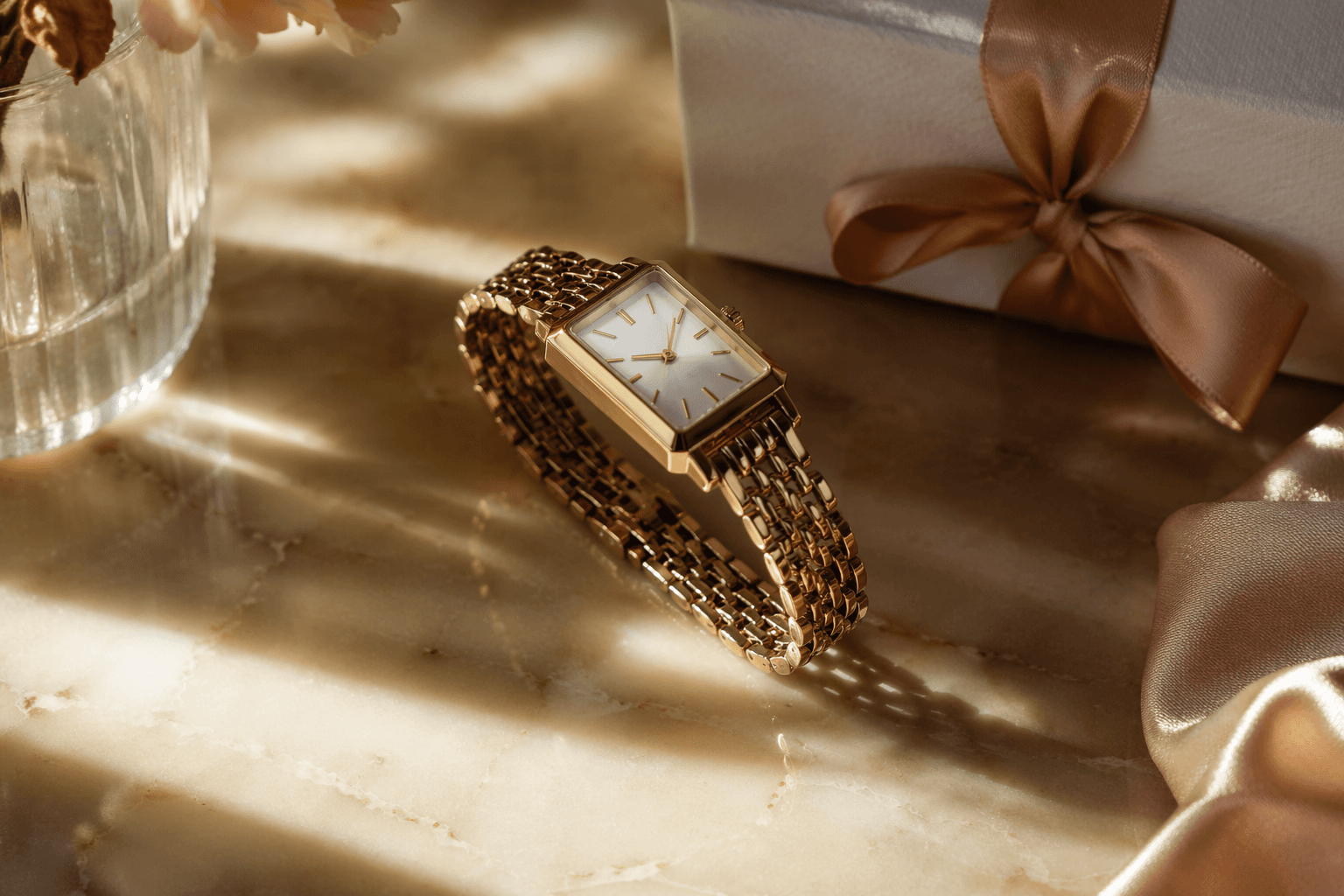
Presentation is part of the gift's meaning. A small personalized tag tied with silk ribbon, a handwritten note that echoes the same handwriting used in the engraving, or a scented tissue paper that reminds you of a shared trip elevates an object into an event. For a keepsake like a pendant or box, include a line that explains the personalization, "Coordinates of where you said yes", so the emotional intent is unmissable. If this is a push present or anniversary milestone, time the reveal: a quiet breakfast with the item on the tray, or a boxed presentation after dinner, makes the moment feel curated rather than incidental.
8. Budgeting smartly: how to spend for maximum meaning
Allocate most of your budget to quality of execution rather than headline price. That might mean splurging on a well-made object ($200–$600 for a solid jewelry staple) while keeping the personalization affordable, or buying a modestly priced luxury good ($50–$150) and adding a custom engraving that costs $30–$75. Use the principle that "intentionality equals luxury": choose one strong, meaningful detail, handwriting, coordinates, an inside joke, and make that detail the best part of the gift. For push presents and larger milestones, scale up materials and craftsmanship; for lighter celebrations, prioritize cleverness of personalization over costly ornamentation.
9. Practical timelines and vendors
Personalization requires lead time. Standard artisanal engraving and embroidery services commonly need 3–14 business days depending on complexity; expedited options exist but increase costs. If you're ordering for Valentine's Day, allow an extra buffer for shipping and packaging, this guide is evergreen, but seasonal demand spikes around February. Opt for vendors who provide proofs, samples of the handwriting transfer, coordinate formatting, or embroidered patch, so you can approve placement and scale before production. A small proofing step prevents the disappointment of a mis-scaled engraving or a font that reads as something other than you intended.
10. Final styling tips to make the personalization sing
Make the personalization obvious without shouting. Use contrast, dark engraving on light metal, gold numbers on a black bar, for immediate legibility. Keep the rest of the gift pared back so the eye finds the personal element: a simple boxed necklace allows a handwritten engraving to read like a love note inside a jewel. Add one more small complementary item, a printed photo, a favorite chocolate, or a curated playlist that references the same date or place, to construct an emotional narrative around the object. Done well, a single thoughtful personalization transforms a Valentine’s gift into a story you both can carry.
Conclusion Personalized gifts are not about extravagance; they are about selecting the one detail that most accurately says, "I see you." Whether you choose handwriting engraving, shared coordinates, or a wink of inside-joke imagery, the craft of the execution and the thought behind the choice determine if the present becomes a keepsake. Make the personalization precise, present it beautifully, and the result will turn even a modest purchase into a memorable Valentine’s moment.
This article was produced by Prism’s automated news system from verified source data, official records, and press releases, then run through automated quality and moderation checks before publishing. The system is built and supervised by the people who set the standards it runs under. Read our full AI policy.
Did this article answer your question?