Jewelry Tops Valentine's Day Lists, But Only One in Ten Choose It
Jewelry commands more Valentine's Day dollars than any other gift category, yet only 1 in 10 people actually buys it — a gap that tells you everything about where the real opportunity lies.
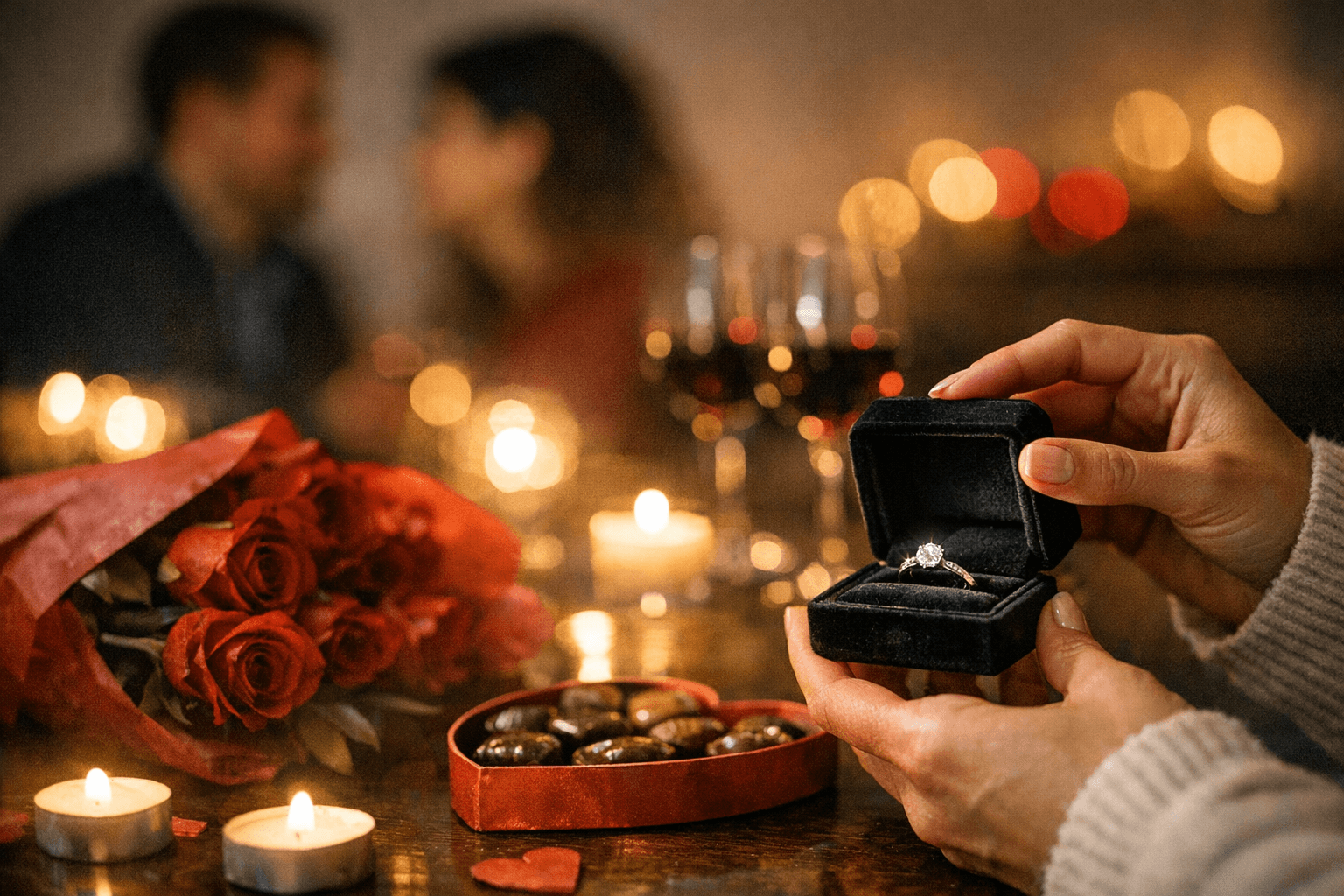
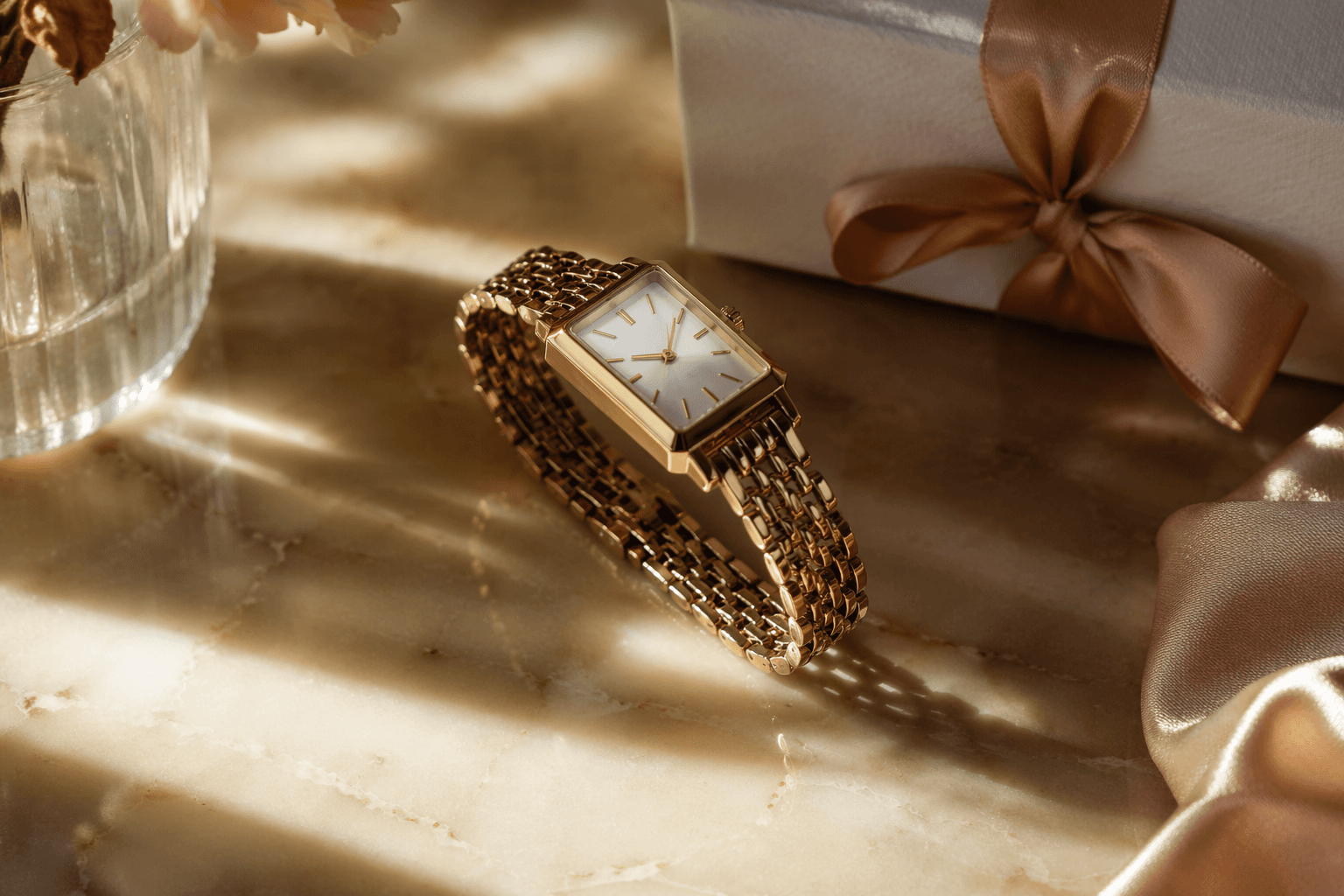
Only 25% of Valentine's Day shoppers planned to buy jewelry this year, yet that group was projected to outspend every other gift category combined, pouring a forecasted $7 billion into rings, necklaces, and bracelets. That math deserves a second look: the most expensive gift on the list also happens to be the one most people skip.
The National Retail Federation's annual Valentine's Day survey, released January 27, 2026, projected total consumer spending to reach a record $29.1 billion, with the average shopper budgeting $199.78. That represents a 5.8% increase from the prior year. Jewelry accounted for the single largest slice of that record sum, but a Bain & Company analysis of payment-card and survey data found that roughly only 1 in 10 gifts given this Valentine's Day was actually a piece of jewelry.
The disconnect comes down to participation versus spend. Candy held its place as the most popular Valentine's gift at 56%, followed by greeting cards and flowers at 41% each, and an evening out at 39%. Jewelry trailed all of them in popularity, yet led in total dollars. The implication: a small group of buyers is spending significantly more per transaction than the candy-and-card crowd, lifting the category's aggregate haul despite its limited reach.
Gold prices rose 66% year over year heading into this Valentine's season, driving up jewelry prices from the 2025 holiday. That surge didn't kill demand so much as concentrate it. Ahead of February 14, high-end jewelry in the U.S. sold better than in 2025, suggesting that the buyers who do choose jewelry are increasingly gravitating toward the luxury end of the market rather than trading down.
NRF Vice President of Industry and Consumer Insights Katherine Cullen noted that "much of that growth is driven by middle- and high-income shoppers who are expanding their gift lists to include friends, co-workers and even pets in addition to loved ones." That expansion of the gift recipient pool also reshapes what gets purchased: a coworker gets a box of chocolates, not a gold bracelet.
Pet owners alone are expected to have spent $2.1 billion on Valentine's Day gifts for their animals, up 24% from 2025. The holiday has quietly broadened into a multi-recipient occasion, which dilutes jewelry's share of transactions even as its share of dollars holds firm.
For anyone still deciding what to give, the data makes a case for leaning in rather than defaulting to candy. In the months leading up to the holiday, demand for gold jewelry more than tripled that for silver, with pearls, turquoise, and diamonds ranking as the top-selling gemstones. The person who actually selects a piece of jewelry this Valentine's Day is, statistically speaking, a rare gift-giver. That rarity is the point.
This article was produced by Prism’s automated news system from verified source data, official records, and press releases, then run through automated quality and moderation checks before publishing. The system is built and supervised by the people who set the standards it runs under. Read our full AI policy.
Did this article answer your question?