Kid-friendly Valentine crafts for handmade cards and gifts
Parents are leaning into low-cost Valentine crafts as a budget-friendly alternative to a holiday that hit a record $27.5 billion in spending in 2025.
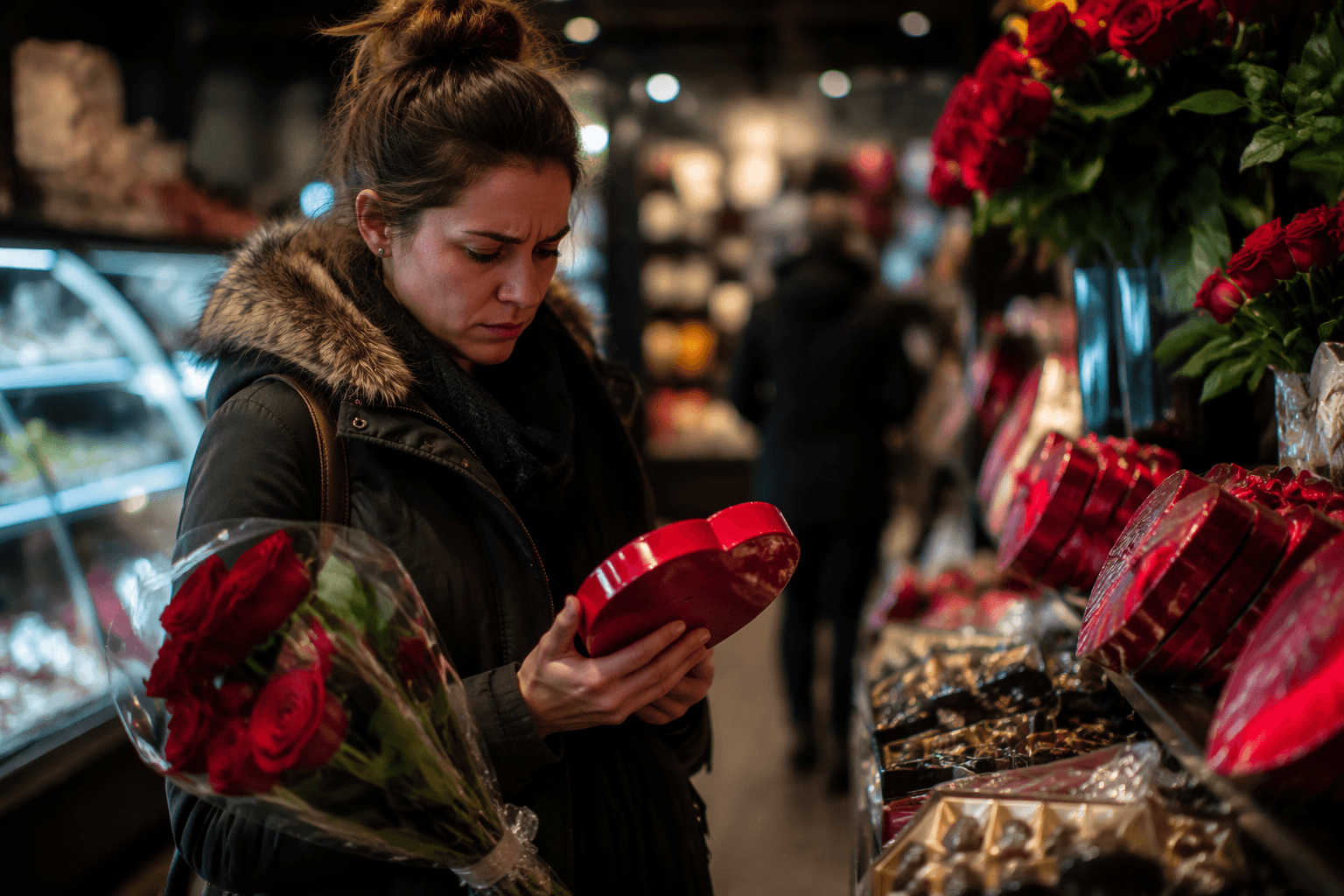
Valentine’s Day can still look like cards, candy, flowers, and other symbols of affection, but the spending around it has gotten hard to ignore. The National Retail Federation put 2025 Valentine’s Day consumer spending at a record $27.5 billion, and the average American budgeted $188.81 for the holiday. That kind of number is exactly why so many families are reaching for construction paper, glue sticks, and markers instead of store-bought bundles.
The appeal is not just thrift. Handmade cards and gifts give kids something to make, sign, and hand over themselves, which turns a simple holiday into a small ritual. That fits neatly with the holiday’s long history: Pope Gelasius I declared Feb. 14 as Valentine’s Day in A.D. 496, and Esther Howland of Massachusetts later became credited with selling the first mass-produced valentines in the United States. Homemade projects feel especially relevant beside that history, because they bring the holiday back to a personal exchange instead of a shopping receipt.
Paper hearts still do the heavy lifting
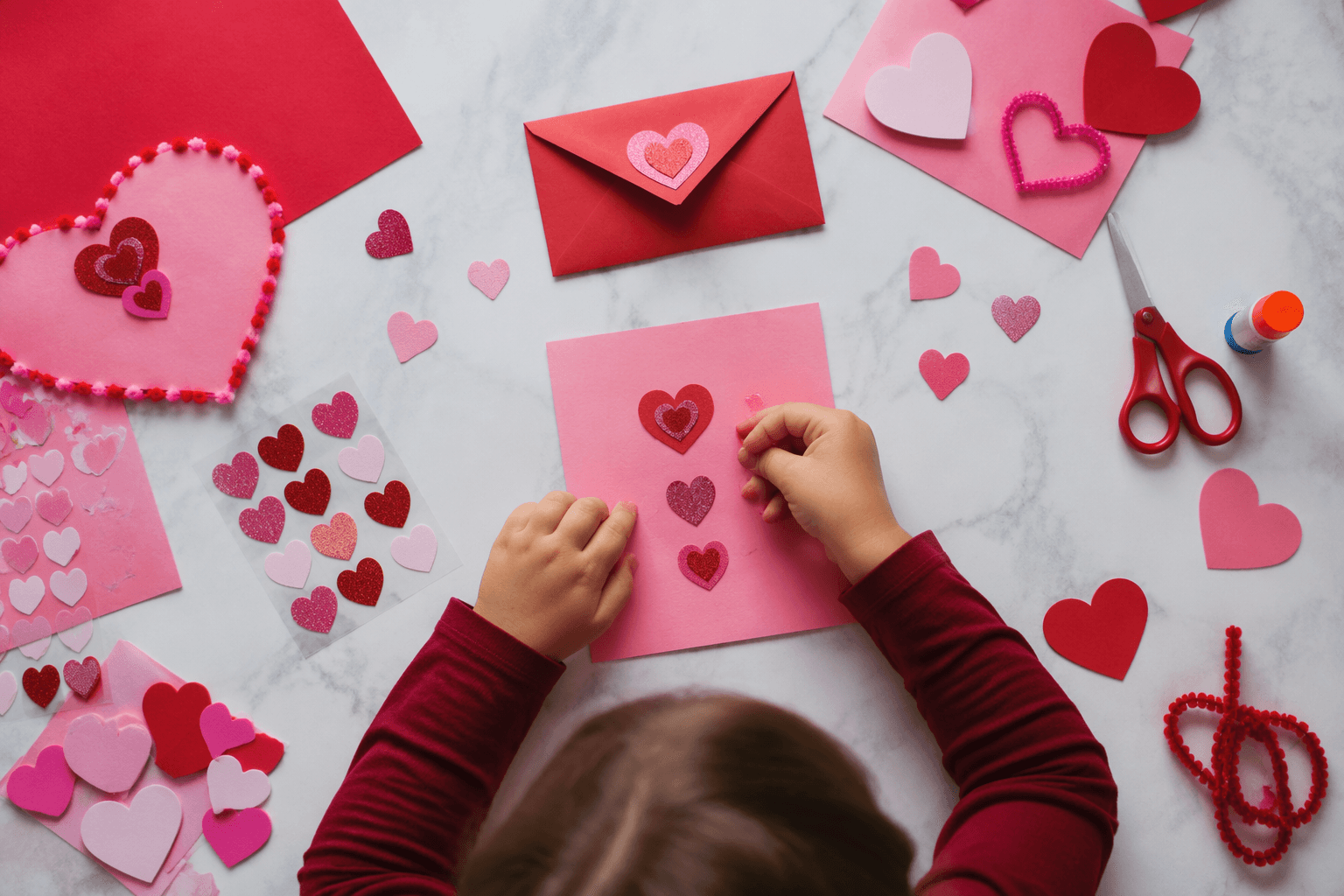
For classrooms, paper hearts remain the easiest place to start because they use what most homes already have. A stack of colored paper, scissors, tape, and markers can become everything from folded heart cards to garlands, and the result feels festive without creating much cleanup. That makes paper projects especially useful when you need something a child can finish in one sitting and carry to school the next day.
A good paper-heart project also solves a familiar Valentine problem: generic cards rarely feel personal, even when they are cute. Kids can write a classmate’s name inside, add a joke, or draw a small picture on the front, and the card instantly feels more thoughtful than a packaged note card. The U.S. Census Bureau’s Valentine’s Day materials note that cards are one of the holiday’s standard gifts, so a handmade version lands as a direct, low-cost replacement rather than a consolation prize.
- construction paper or cardstock
- child-safe scissors
- markers or crayons
- glue sticks or tape
If you want the least fussy option, keep the materials basic:
That pared-down setup is the point. It keeps the craft low-mess, keeps the budget light, and leaves the decoration to the child, which is where the charm usually lives.
Keepsakes make the gift feel richer
Handprint and fingerprint projects do something store-bought gifts rarely manage: they freeze a small moment in time. Those crafts work well for parents, grandparents, and caregivers because the mess is usually contained to paint or ink, and the finished piece is more sentimental than expensive. A handprint heart or fingerprint card also doubles as an art project and a keepsake, which is why these simple pieces often outlast the holiday itself.
That matters in a season where commercial Valentine’s spending keeps climbing and sweets have become increasingly tied to the day through promotion, as HISTORY has noted in its coverage of chocolate. Handmade keepsakes move in the opposite direction. They do not compete with a candy aisle or a florist case; they offer something that is harder to buy in a rush, a child’s mark on the page, the table, or the frame.
For families trying to make one gift serve two audiences, these projects are especially efficient. A child can make one for a classroom exchange and a second version for home, using the same paint, paper, or stamp pad. The material costs stay low, but the emotional value rises because each version can be personalized with a different name, color, or message.
Classroom gifts work best when they travel well
Classroom Valentine crafts need a different standard than home gifts. They have to be flat enough for backpacks, sturdy enough to survive a school day, and simple enough that a child can repeat them more than once. That is why cards, paper hearts, and small treat holders keep showing up in family craft roundups: they are easy to duplicate without feeling identical.
A classroom-friendly project should also avoid a long drying time or elaborate assembly. Glue-heavy pieces and oversized decorations tend to create more stress than sentiment, especially when a child has to finish several gifts in one afternoon. The smartest projects are the ones that lean on repetition and personalization, such as a simple heart card with each classmate’s name written inside or a small folded paper pocket for a note.
The U.S. Census Bureau’s Valentine’s Day features are useful here because they show how familiar the holiday still is. Cards remain part of the basic ritual, and kids do not need a polished craft to participate in it. A careful handwritten name, a bright heart, and a short message can feel more generous than a store-bought bundle.
Recycled materials stretch the idea further
Eco-friendly Valentine crafts bring another layer of usefulness because they turn household scraps into something worth keeping. Project Learning Tree highlights recycled Valentine crafts as a way to show love for nature, and that logic fits the holiday perfectly: an old cereal box, leftover wrapping paper, paper scraps, and saved ribbon can all become part of the project instead of heading to the bin.
That approach is especially helpful when you are trying to avoid buying a special trip of supplies for a one-day holiday. Recycled crafts make the most sense in homes where craft materials are already scattered across drawers and bins, because they let kids build from what is on hand. The result is more personal than a packaged kit and often more interesting, because each finished piece reflects whatever materials the family already had.
For parents who want to keep the project tidy, the best recycled crafts are the ones built from a single base material. A paper heart, a cut-and-fold card, or a small decorated box is easier to manage than a project with six different steps and a sink full of paint. The holiday is crowded enough with store-bought pressure. A simple handmade piece cuts through that noise.
A familiar holiday, pared back to something intimate
Valentine’s Day has never been just one thing. HISTORY traces it to a blend of ancient Roman and medieval traditions, while the Census Bureau’s historical notes place one of its defining dates in A.D. 496 and connect it to the rise of mass-produced valentines in the United States. That history helps explain why today’s classroom crafts make sense: they are not a detour from the holiday, but a return to the exchange of small, personal tokens.
The current spending numbers only sharpen that contrast. When the average budget reaches $188.81 and national spending lands at $27.5 billion, a handmade card can feel like a deliberate choice rather than a compromise. The best kid-friendly Valentine crafts keep the mess down, the materials familiar, and the sentiment high, which is exactly why they keep winning over families looking for something warmer than a checkout counter purchase.
This article was produced by Prism’s automated news system from verified source data, official records, and press releases, then run through automated quality and moderation checks before publishing. The system is built and supervised by the people who set the standards it runs under. Read our full AI policy.
Did this article answer your question?