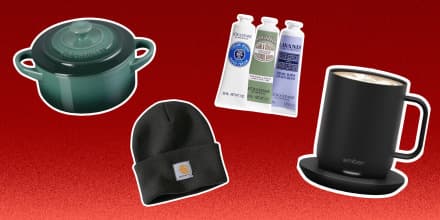
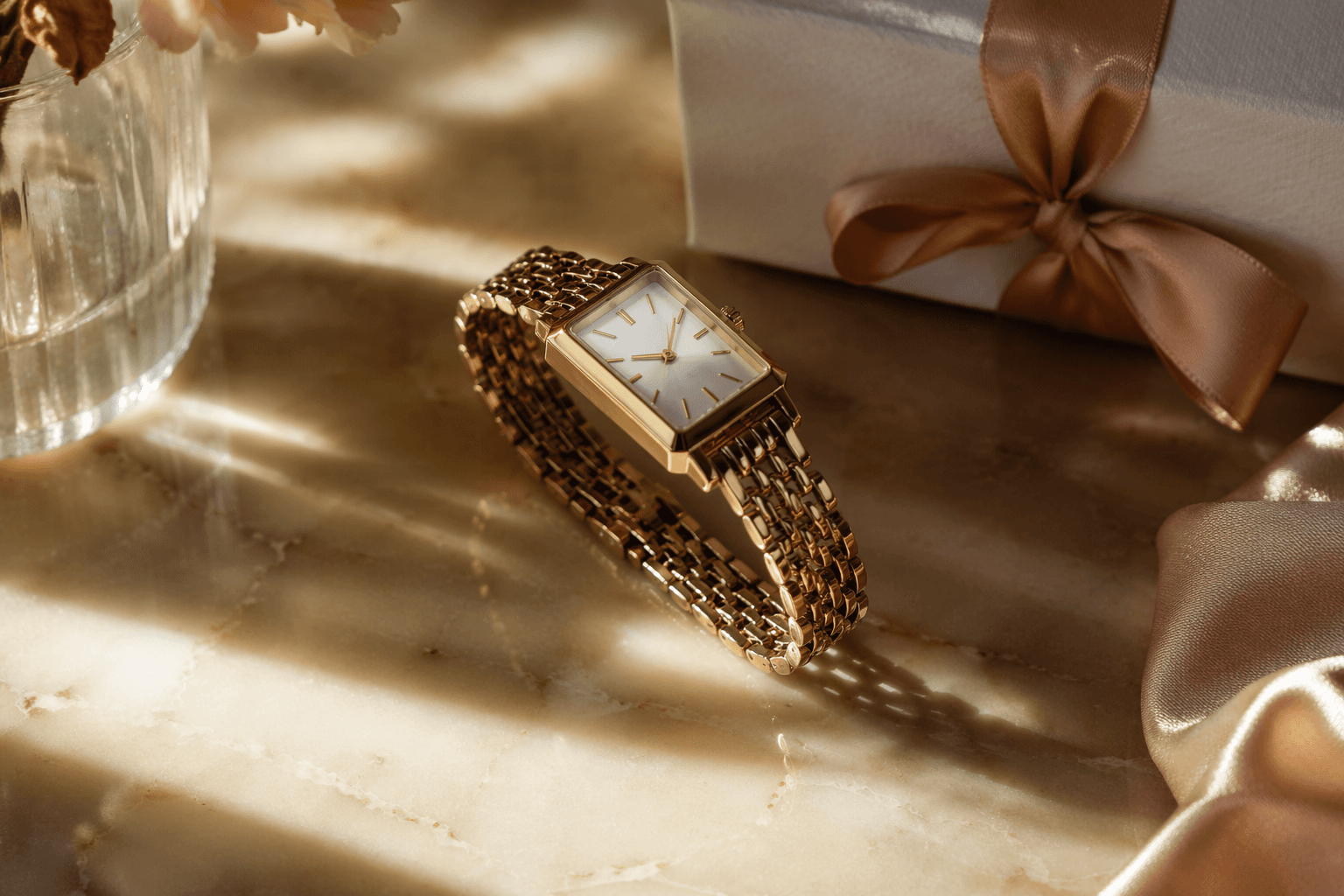
Oxford’s Valentine’s edit pairs gifts with a romantic night in or out
Oxford’s Valentine’s edit solves the hardest part of the holiday: what to buy, and what to do after. The smartest picks are wearable, home-friendly, and easy to fold into a night in or out.

The easiest Valentine’s gift is one that already knows where the evening is going. Oxford’s Valentine’s edit gets that right by pairing polished, wearable presents with a simple plan for the rest of the night, so you are not choosing between a good gift and a good date. The mix is smartly low-pressure: earrings, jewelry, handbags, pajamas, candles, boots, and vases are the kind of things that feel considered without tipping into overdone.
Valentine’s Day has always rewarded a little intention. Britannica dates the holiday to February 14 and notes that its origins are unclear, often traced to the Roman festival of Lupercalia. It did not become closely associated with romance until the 14th century, which is a useful reminder that this day has always been less about grand declarations than about making a small, well-timed gesture land.
Why this edit makes sense right now
The holiday is not getting smaller. The National Retail Federation said U.S. consumers were expected to spend a record $27.5 billion on Valentine’s Day in 2025, with average spending at $188.81, and projected another record year in 2026 at $29.1 billion, or $199.78 per person. NRF has tracked Valentine’s Day consumer behavior for more than a decade, which explains why the shopping patterns are so predictable and why the useful guides are the ones that help people narrow the field fast.
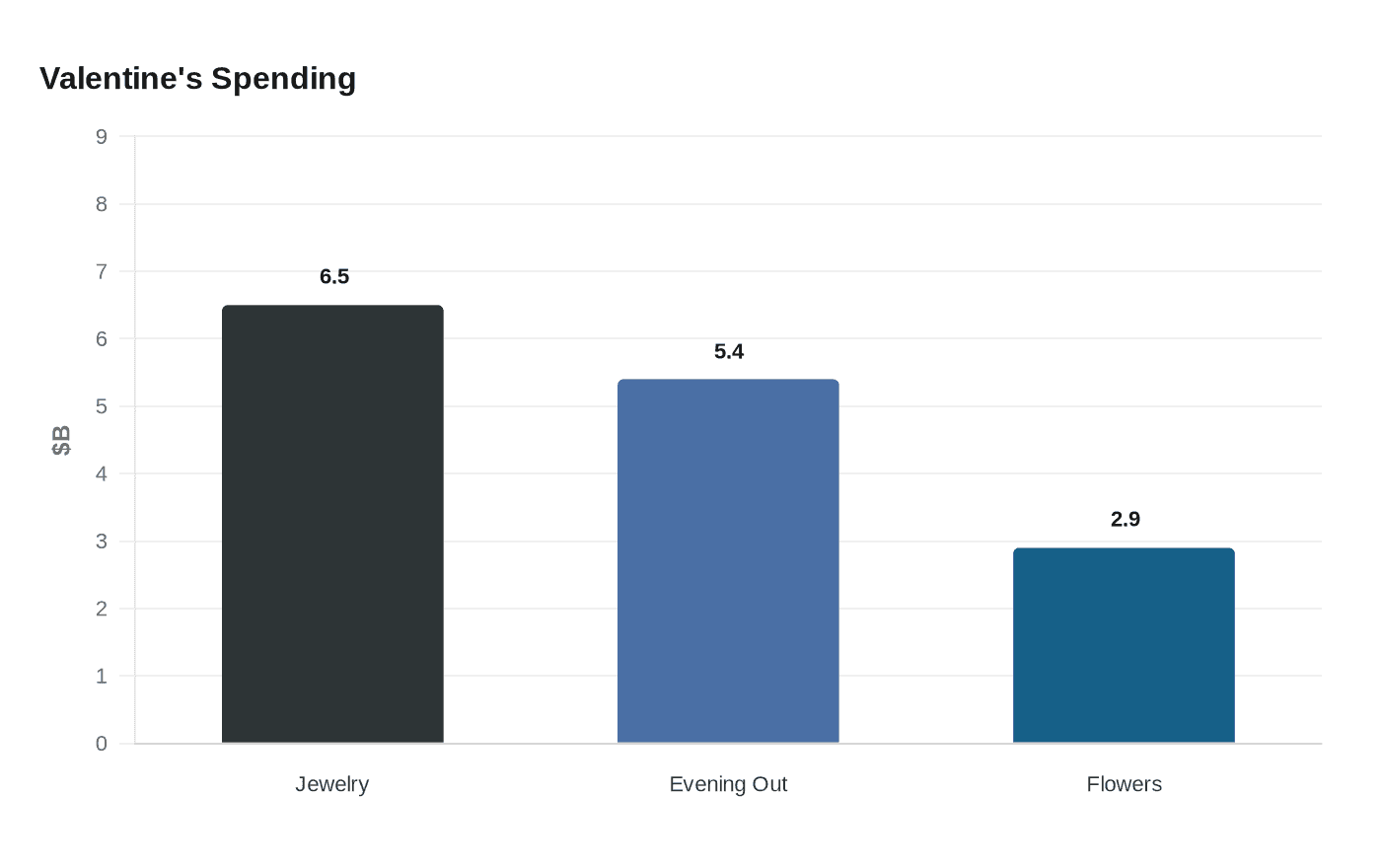
That spending pattern is already telling you what people actually buy. CNBC reported in 2025 that shoppers planned to spend about $6.5 billion on jewelry, $5.4 billion on an evening out, and $2.9 billion on flowers. Candy remained the most popular Valentine’s gift, followed by flowers and greeting cards, which is exactly why a gift list that leans into jewelry, home pieces, and a built-in plan for the night feels more relevant than one more pile of pink trinkets.
If you are staying in, give something that upgrades the room and the mood
For the person who would rather cancel the reservation and make the apartment feel like the best table in town, the strongest gifts are the ones that do two jobs. Pajamas are the easy, intimate choice here, especially if they are polished enough to feel like a real present instead of an afterthought. Candles do the second half of the work by changing the entire atmosphere with one small buy, and a vase is a quietly romantic add-on because it makes flowers feel deliberate instead of routine.
This is where Oxford’s edit is especially useful. A candle and pajamas say, stay in and settle in. A vase says, I planned ahead, even if the flowers themselves are simple. That combination is more satisfying than a single splashy item because it makes the night itself feel designed, not improvised.
If you are going out, choose something wearable enough to join the plan
The best gifts for an evening out are the ones your partner can put on immediately and not think about again. Earrings and jewelry do that beautifully, which is why they dominate Valentine’s spending in the first place. They are intimate without being heavy-handed, and they work whether the night ends at a restaurant, a bar, or somewhere more casual that still deserves a little polish.
Handbags and boots are the other clever moves in this category. They are more practical than a box of chocolates and more lasting than flowers, but they still carry the same romantic logic: this is for tonight, and for many nights after. If the date is happening outside the house, those are the gifts that feel like part of the outfit rather than separate from it.

How to match the gift to the kind of night you actually want
Think of the purchase as a two-part decision. First, choose the object that fits the person. Then choose the night that fits the object. A cozy set of pajamas pairs naturally with a quiet dinner at home and a movie that neither of you has to pretend is brilliant. Earrings or a sleek handbag make more sense if you are heading out and want the gift to feel like part of getting dressed rather than part of the table setting.
That is the real strength of a buy-the-gift, plan-the-night approach. It cuts down on decision fatigue and keeps the gesture from feeling random. You are not just buying something pretty. You are deciding what kind of memory you want attached to it.
The sweet spot is thoughtful, not showy
Valentine’s gifts work best when they feel specific without becoming precious. The holiday’s commercial scale can make people reach too hard, but the numbers suggest a more grounded truth: most spending still clusters around practical romance, like jewelry, flowers, candy, and a night out. Oxford’s edit lands in that sweet spot by favoring things people can wear, use, or place in the room right away.
That is also why the most successful Valentine’s gifts are rarely the most expensive ones. The safest move for someone you are newly seeing is often the least dramatic one. The best move for someone you know well is the gift that makes their evening easier, prettier, or more comfortable.
The cleanest Valentine’s formula is still the simplest one
A good Valentine’s present should not require a lot of explaining. It should look good, feel useful, and make the night run better, whether that means a pair of earrings before dinner, pajamas before a stay-in meal, or a vase waiting for flowers on the counter. That is the kind of practical romance people actually remember.
Oxford’s edit understands the assignment: pair the gift with the night, keep the choices wearable and home-friendly, and let the evening do the rest.
This article was produced by Prism’s automated news system from verified source data, official records, and press releases, then run through automated quality and moderation checks before publishing. The system is built and supervised by the people who set the standards it runs under. Read our full AI policy.
Did this article answer your question?