Valentine’s Day roses cost more nationwide, average bouquet prices keep rising
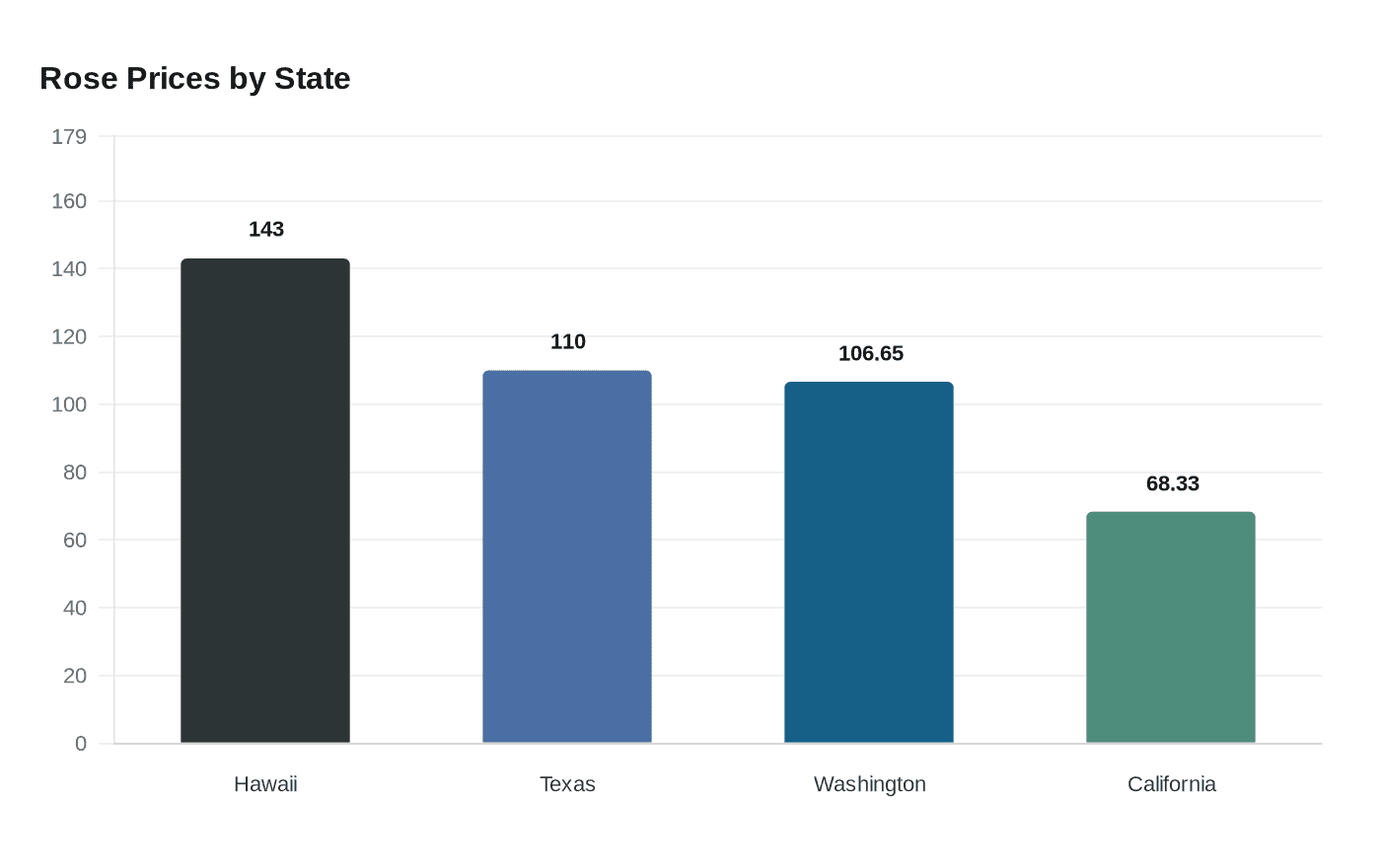
A dozen red roses averaged $93.07 in 2026, with Hawaii at $143 and California at $68.33, pushing Valentine’s shoppers to rethink the classic bouquet.
%2Fimages%2F2026%2F01%2F29%2Fthe_cost_of_a_dozen_roses.png&w=1920&q=75)
A dozen red roses now costs $93.07 on average, and the gap from state to state is large enough to change the entire Valentine’s budget. Hawaii had the highest average at $143, while California was one of the cheapest at $68.33. Texas averaged $110 and Washington $106.65, a spread that turns the same bouquet from a simple gesture into a real splurge. The 2026 average was about 2.8% higher than 2025 and nearly $13 above 2023.
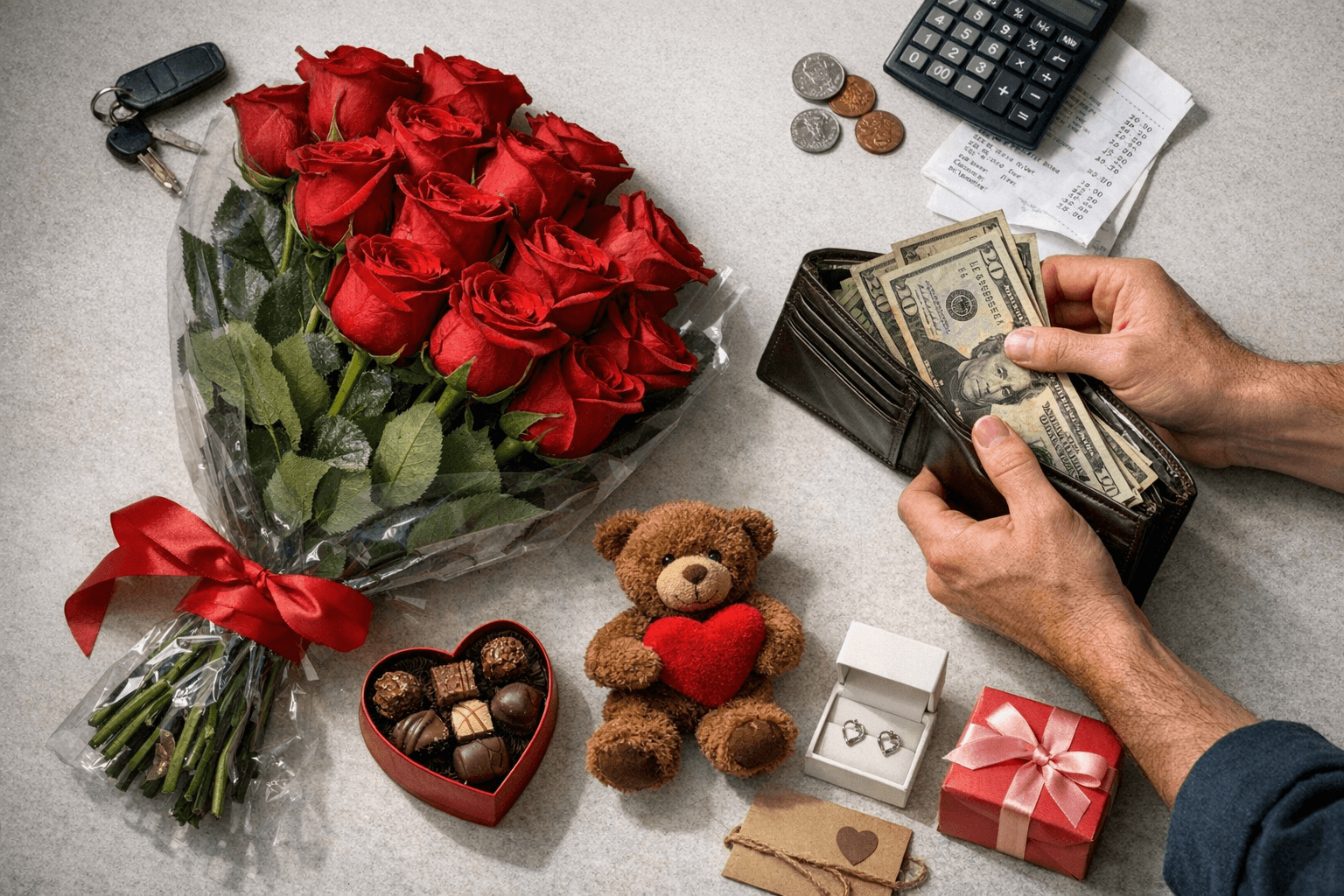
That matters because Valentine’s Day is already a major spending event. The National Retail Federation expected U.S. consumers to spend a record $27.5 billion in 2025, with average spending at $188.81 per shopper. In other words, a standard dozen roses can swallow almost half of the typical Valentine’s budget before dinner, dessert or a second gift even enters the picture. If you are deciding whether flowers are still worth it, the answer depends less on sentiment than on how much room you want left in the budget.
The price pressure starts long before a florist wraps the stems. The USDA’s Economic Research Service said domestically grown cut flowers and florist greens were valued at nearly $763 million in 2022, with about 10,800 commercial farms growing flowers and greens in all 50 states. But imports were valued at $1.9 billion in 2022 and $1.98 billion in 2024, and University of Illinois Urbana-Champaign researchers said Colombia is the largest supplier of U.S. cut flowers. They also said combined domestic and imported cut flowers reached $2.3 billion in 2023.
The logistics are just as intense. U.S. Customs and Border Protection says Valentine’s Day is the busiest time of year for cut-flower imports, and in 2024 agriculture specialists inspected more than 352 million mixed bouquets, 76 million roses and 75 million chrysanthemums. By Feb. 7, 2024, officers had cleared more than 1 billion cut flowers, with most Valentine’s stems moving through Miami and the rest through Los Angeles. That kind of traffic helps explain why a romantic dozen can feel more like a supply-chain event.
For shoppers, the smarter move may be to stop treating roses as the whole gift. A 2026 flower-index sample across 217 U.S. cities put the national average at $78.50 for a dozen red roses, which still makes a smaller bouquet, or roses paired with something lasting, look like the better value. The classic dozen is still a strong Valentine’s signal, but this year it is also the expensive centerpiece, not the whole story.
This article was produced by Prism’s automated news system from verified source data, official records, and press releases, then run through automated quality and moderation checks before publishing. The system is built and supervised by the people who set the standards it runs under. Read our full AI policy.
Did this article answer your question?