Valentine's Day shoppers want personalized gifts, plush toys and pets
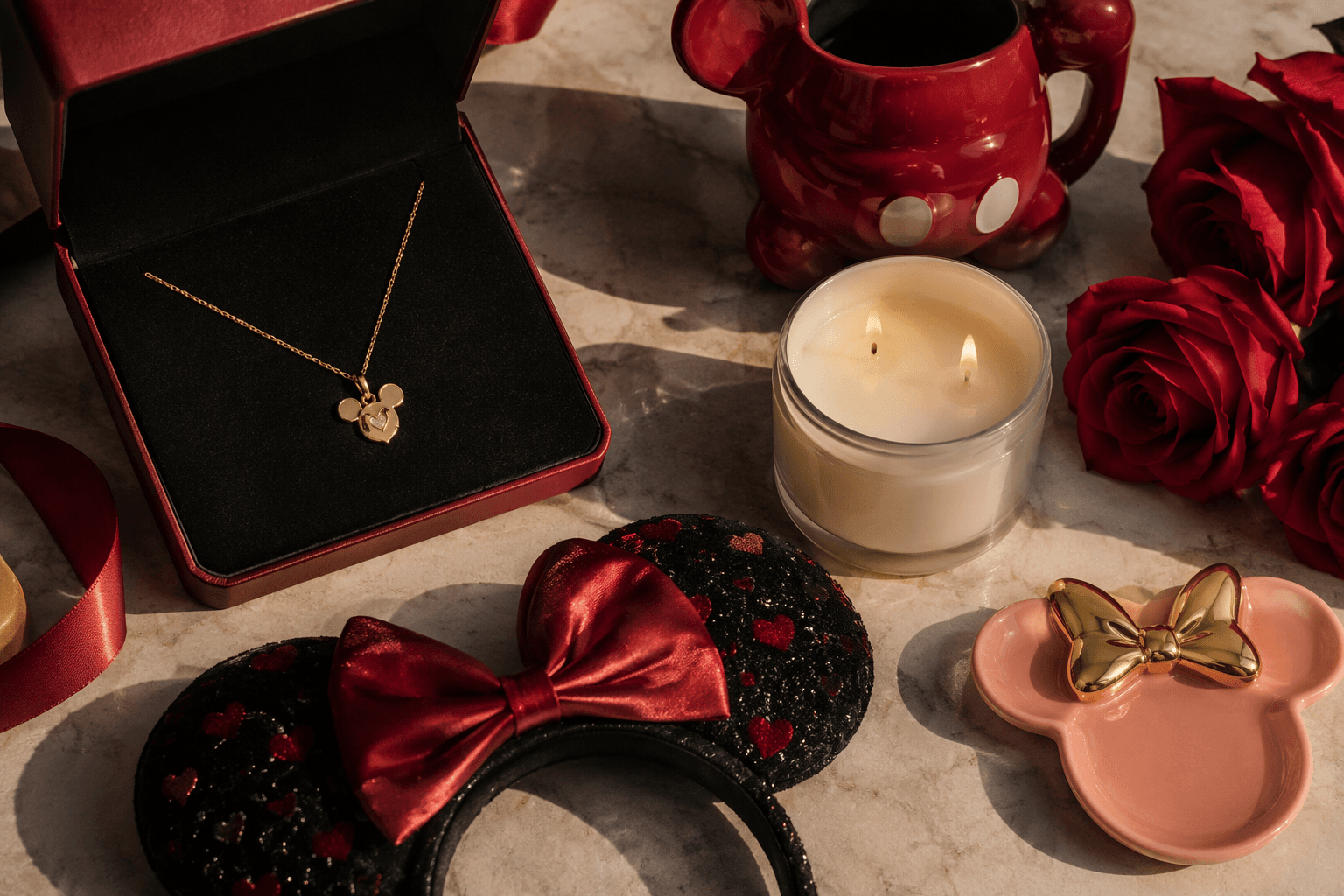
Chocolates and flowers still lead, but the fastest-growing Valentine gifts are the ones that tell a story: personalized keepsakes, plush toys, and pet-friendly surprises.
Chocolates and flowers still set the tone for Valentine’s Day, but the gifts gaining momentum are the ones that feel easier to narrate, photograph, and remember. The National Retail Federation expects U.S. Valentine’s Day spending to hit a record $29.1 billion in 2026, with average planned spending also at a record $199.78 per person, and the most interesting shift is not away from tradition but toward more personal versions of it.
The classic Valentine formula is still doing the heavy lifting
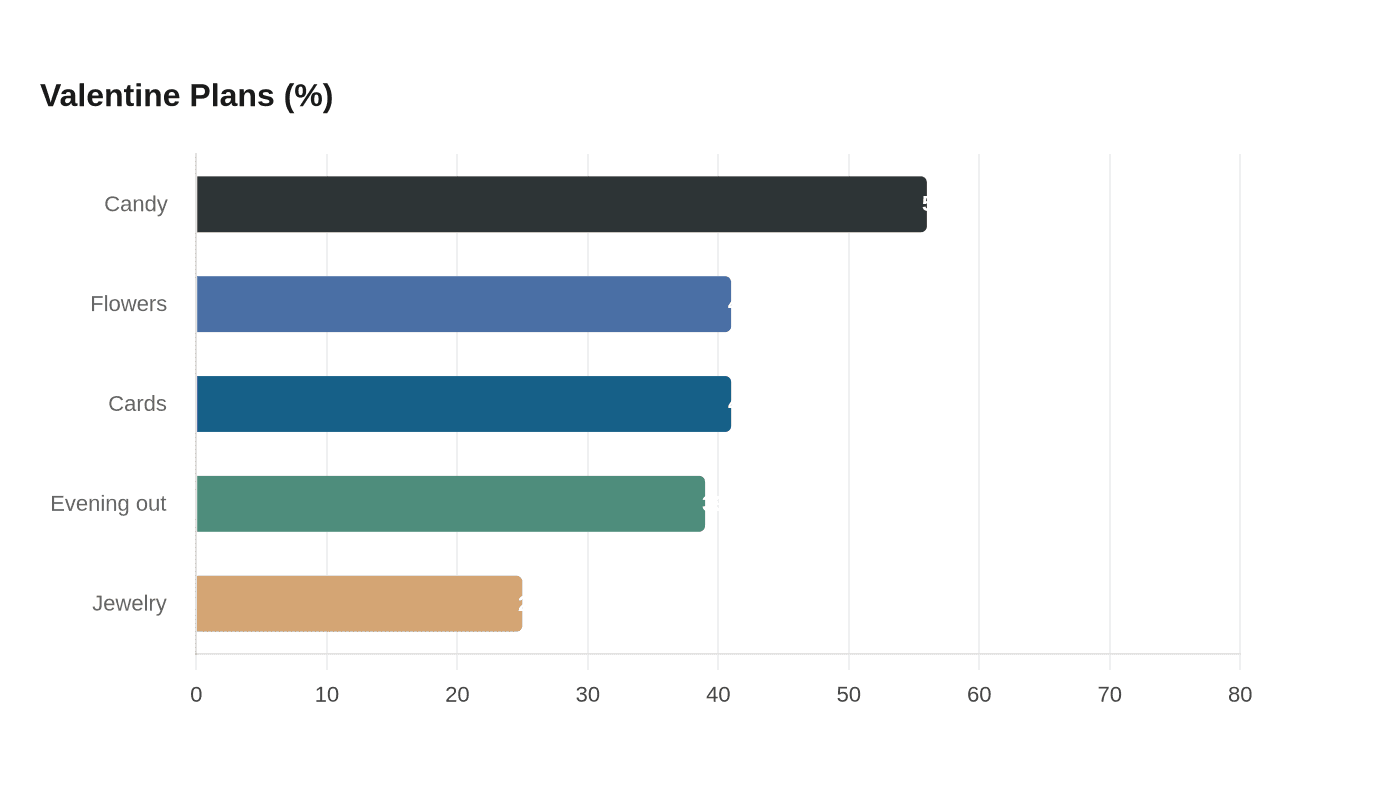
The NRF’s 2026 survey shows how durable the old standbys remain. Candy leads the holiday at 56% of consumers planning to buy it, while flowers and greeting cards each sit at 41%, and an evening out follows at 39%. Jewelry lands at 25%, yet it still dominates by dollars: NRF projects $7 billion in jewelry spending for Valentine’s Day 2026, the category’s 10th straight year at the top by spend.
That mix matters because it shows how shoppers are balancing sentiment and scale. The holiday’s average spend has climbed from $25.8 billion in 2024 to a then-record $27.5 billion in 2025, before reaching the new 2026 forecast. NRF says 55% of consumers planned to celebrate Valentine’s Day in 2026, and the organization’s survey has tracked consumer behavior for more than a decade, which makes the pattern hard to dismiss as a one-season fad.
The new gift brief is personal, legible, and easy to share
What’s growing fastest is not a rejection of roses or chocolate, but a more specific version of romance. Story-driven packaging, eternal roses, DIY kits, personalized keepsakes, plush toys, and pet-related purchases are moving up because they make the gesture read clearly. A gift that comes with a name, a face, a memory, or a built-in activity carries more emotional clarity than an anonymous luxury box.
Hallmark’s 2026 Valentine’s assortment shows exactly where the category is heading. Custom photo cards, personalized gifts, keepsake boxes, stuffed animals, and pet-themed cards all sit comfortably alongside the older Valentine staples, which is a telling retail move. The message is simple: people still want the traditional symbols of the holiday, but they want them stamped with a relationship-specific detail.
That is why personalized gifts have become such a strong lane. A custom photo card does more than acknowledge the day; it turns the day into a shared reference point. A keepsake box does the same work in a more permanent form, giving the gift a place in the home instead of just the dinner table.
Plush toys are no longer a side note
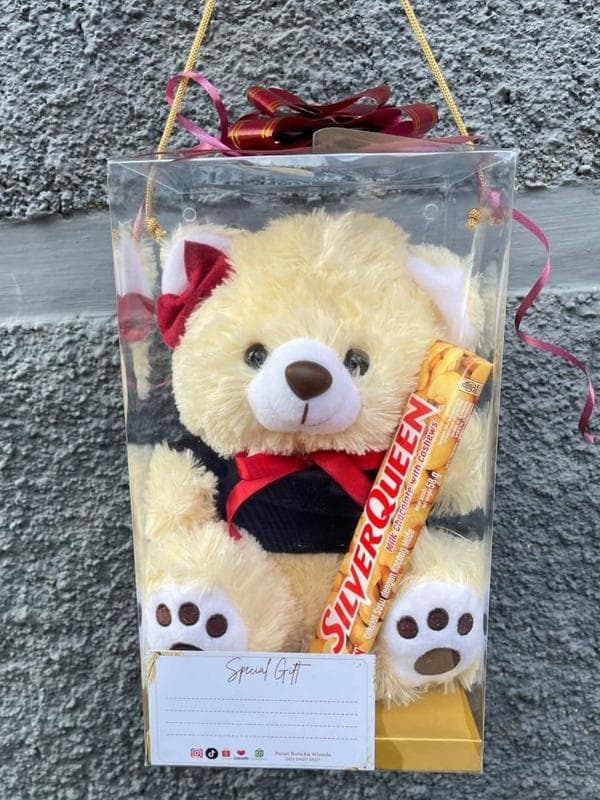
Plush toys, especially oversized stuffed animals and plush bouquets, are now part of the Valentine vocabulary. Walmart highlighted plush bouquets and stuffed animal bouquets for 2026, which makes sense in a market where presentation matters almost as much as the item itself. A bouquet that turns into a toy extends the life of the gift, and that durability is part of the appeal.
The category also fits the current preference for something visibly affectionate without being overly formal. A plush gift feels lighter than jewelry and less expected than a standard box of chocolates, but it still communicates care in a way that is instantly legible. It is also highly social-media-friendly, which helps explain why these formats are showing up more often in seasonal merchandising.
Pets have moved from cute add-on to core Valentine audience
PetSmart’s 2026 Valentine’s assortment makes the clearest case that pets now belong in the holiday mix. The retailer tied its Valentine’s party to the bond between pets and pet parents, and pointed to Gen Z and Millennials as especially likely to spend time with their pets rather than their partner on the holiday. That is more than a quirky demographic note; it explains why pet-focused gifting has become a mainstream seasonal strategy.
The practical implication is that Valentine’s gifts are no longer just for couples in the narrow sense. Pet-themed cards, plush items, and other pet-related purchases speak to households where the animal is already part of the emotional center of the home. In that context, a Valentine’s present that acknowledges the pet can feel more intimate than a generic romantic gesture.
Flowers endure because the symbolism is already there
Even as new formats grow, flowers remain foundational because their meaning has been built over generations. Interflora links Valentine’s flowers to the Victorian-era language of floriography, along with earlier literary associations that helped make roses an enduring romantic shorthand. That history explains why flowers continue to rank so high: they do not need much explanation, and that clarity still matters.
The flower business also benefits from a useful flexibility. A bouquet can be the main gift, or it can serve as the presentation layer for something more specific, like a keepsake box, a personalized card, or a plush addition. Eternal roses fit neatly into that space as well, because they preserve the visual language of Valentine’s flowers while giving the recipient something that lasts longer than a traditional arrangement.
For a better Valentine gift, make the gesture obvious
The strongest gifts this year are the ones that make the relationship easy to read. Candy at 56%, flowers and cards at 41%, and an evening out at 39% show that the holiday still runs on familiar rituals. But the categories growing fastest, from personalized keepsakes to pet-related purchases, reveal what shoppers now want the day to feel like: more narrative, more custom, and more emotionally legible.
That is why the smartest Valentine purchase is often not the biggest one. A custom photo card, a keepsake box, a plush bouquet, or a pet-themed gift can feel more luxurious than a generic splurge because it carries a specific story. In a market heading toward record spending, the gifts that stand out are the ones that know exactly who they are for.
This article was produced by Prism’s automated news system from verified source data, official records, and press releases, then run through automated quality and moderation checks before publishing. The system is built and supervised by the people who set the standards it runs under. Read our full AI policy.
Did this article answer your question?