Valentine’s Day Spending Hits Record $200 as Prices Rise
Valentine’s shoppers planned to spend a record $199.78 each, as flowers, chocolate and dinner got pricier from tariffs, weather damage and stubborn cocoa costs.
Valentine’s Day got expensive in a hurry. The National Retail Federation and Prosper Insights & Analytics projected record U.S. spending of $29.1 billion in 2026, with the average shopper budgeting $199.78, up from $188.81 a year earlier and above the prior record of $196.31 in 2020.
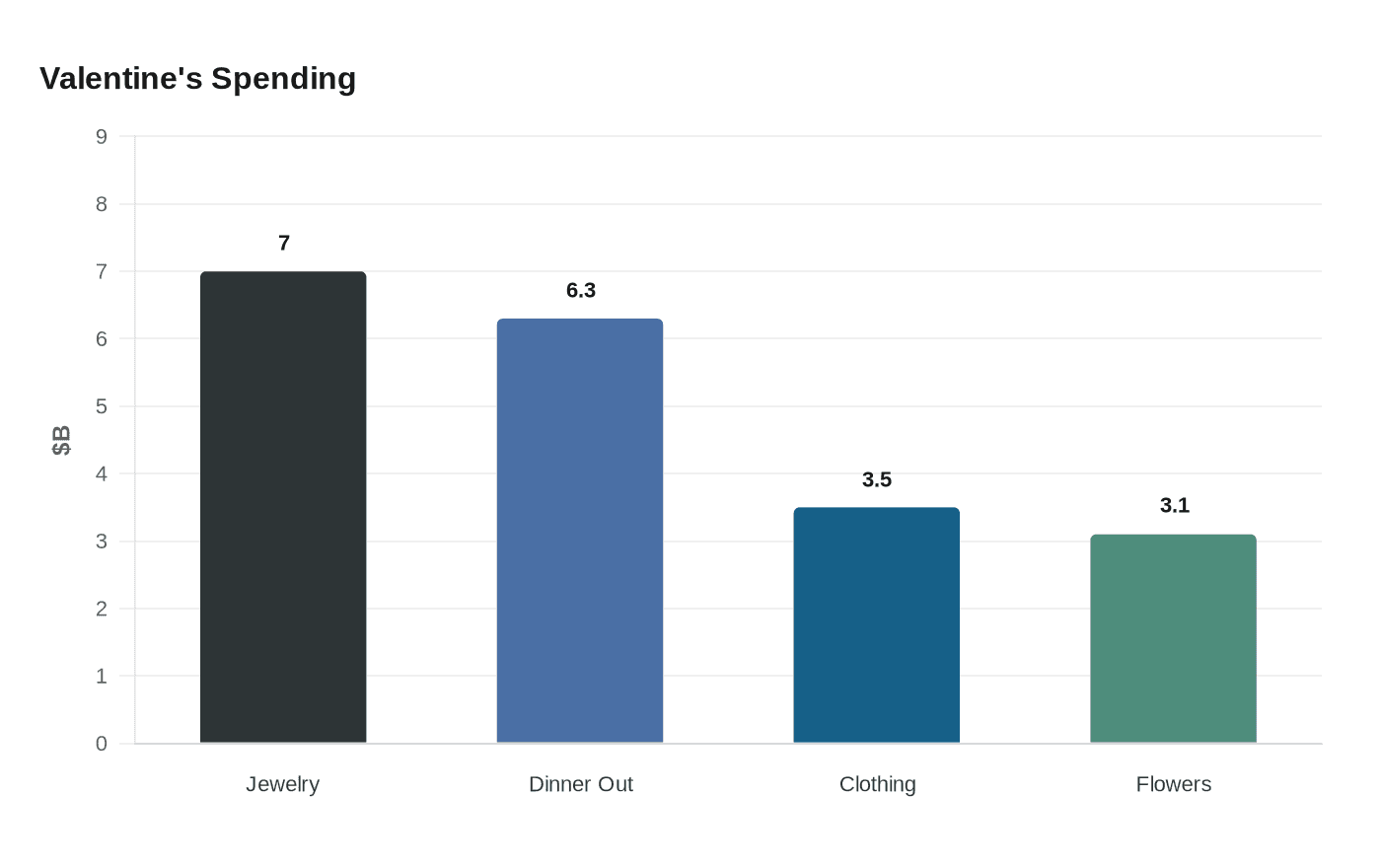
The price pressure came from the same gifts people reach for every year. Jewelry led expected spending at $7 billion, followed by an evening out at $6.3 billion, clothing at $3.5 billion and flowers at $3.1 billion. Candy remained the most popular gift at 56%, but the real tab was increasingly shaped by classic Valentine’s staples that were all getting more expensive at once.
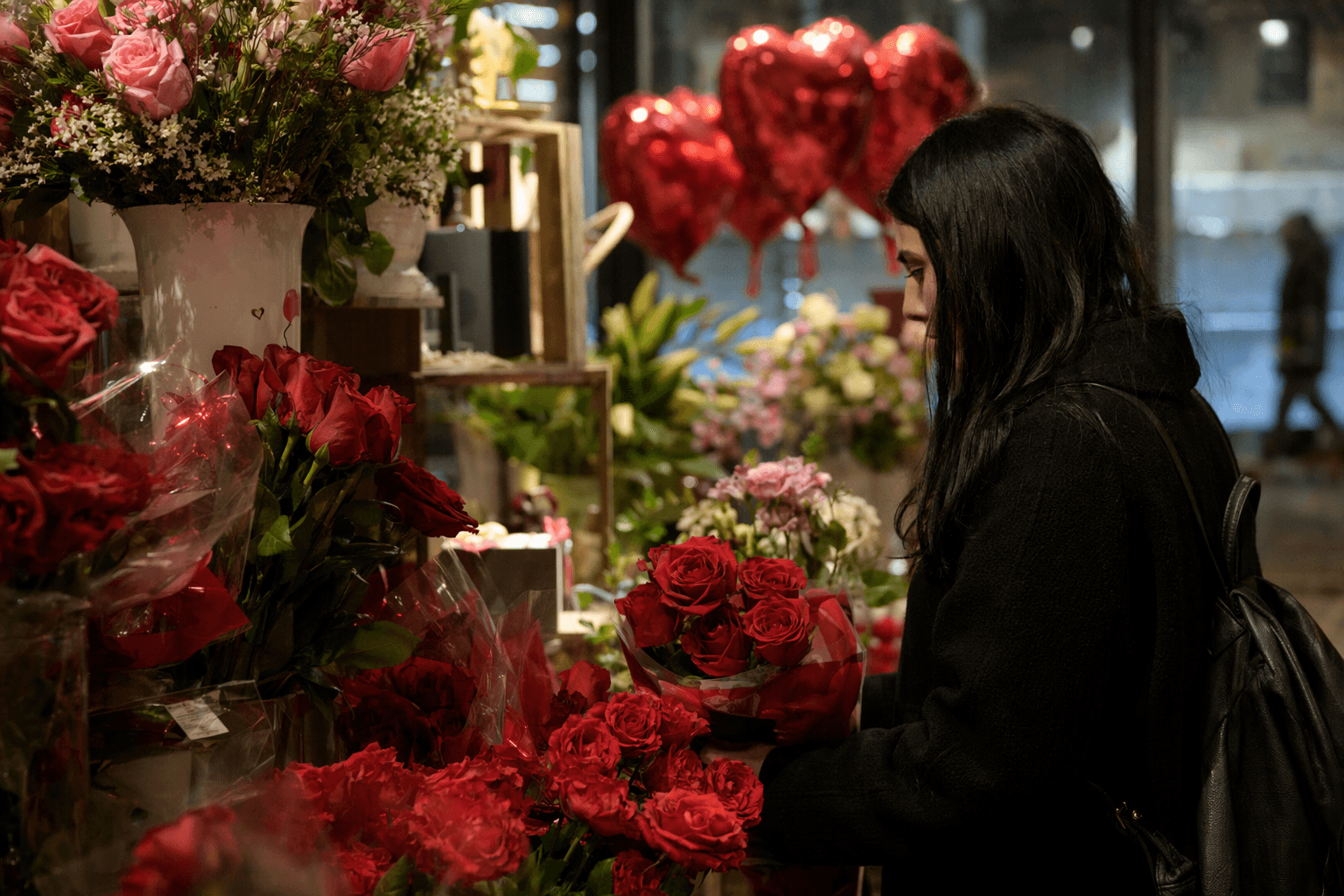
Flowers were one of the clearest examples. Colombia shipped about 65,000 tons of fresh-cut blooms between January 15 and February 9, and the country’s flower sector typically gets about 20% of annual sales from Valentine’s season. A 10% U.S. tariff imposed in April 2025, a stronger peso and a 23% rise in minimum wage were adding pressure for growers, while the U.S. bought about 80% of Colombia’s flower exports. Valentine’s Day also fell on a Saturday in 2026, which made office deliveries less useful than in a weekday year. For shoppers, that meant bouquets were the easiest place to overpay.
Chocolate carried its own sticker shock. ABC News reported prices rose 14.4% in the first weeks of 2026 from a year earlier, even after cocoa fell to about $3,700 per metric ton by early 2026 from a peak near $12,000 last year. West Africa supplies about 70% of the world’s cocoa, and weather and crop disease there kept retail prices sticky even as wholesale markets eased. Expana’s U.S. Valentine’s Day Chocolate Index fell 4.5% month over month and 44.0% year over year in January 2026, a reminder that some costs were cooling while store shelves stayed high.
The smartest budget move this year was to stop trying to buy everything. NRF said 55% of consumers planned to celebrate, and 83% of celebrants were buying for a significant other, but more people were also buying for pets, friends, co-workers, classmates and teachers, which stretched the holiday into a longer shopping list. A simple dinner, a smaller box of candy, or one sharp gift could still feel generous. And for anyone willing to wait, the easiest savings came after the holiday, when Valentine’s leftovers often dropped fast.
This article was produced by Prism’s automated news system from verified source data, official records, and press releases, then run through automated quality and moderation checks before publishing. The system is built and supervised by the people who set the standards it runs under. Read our full AI policy.
Did this article answer your question?