Valentine's shoppers want sentimental gifts, jewelry and sweets lead spending
Jewelry, sweets and cards still dominate Valentine’s Day, but the winning gifts now feel personalized, upgraded and unmistakably specific.
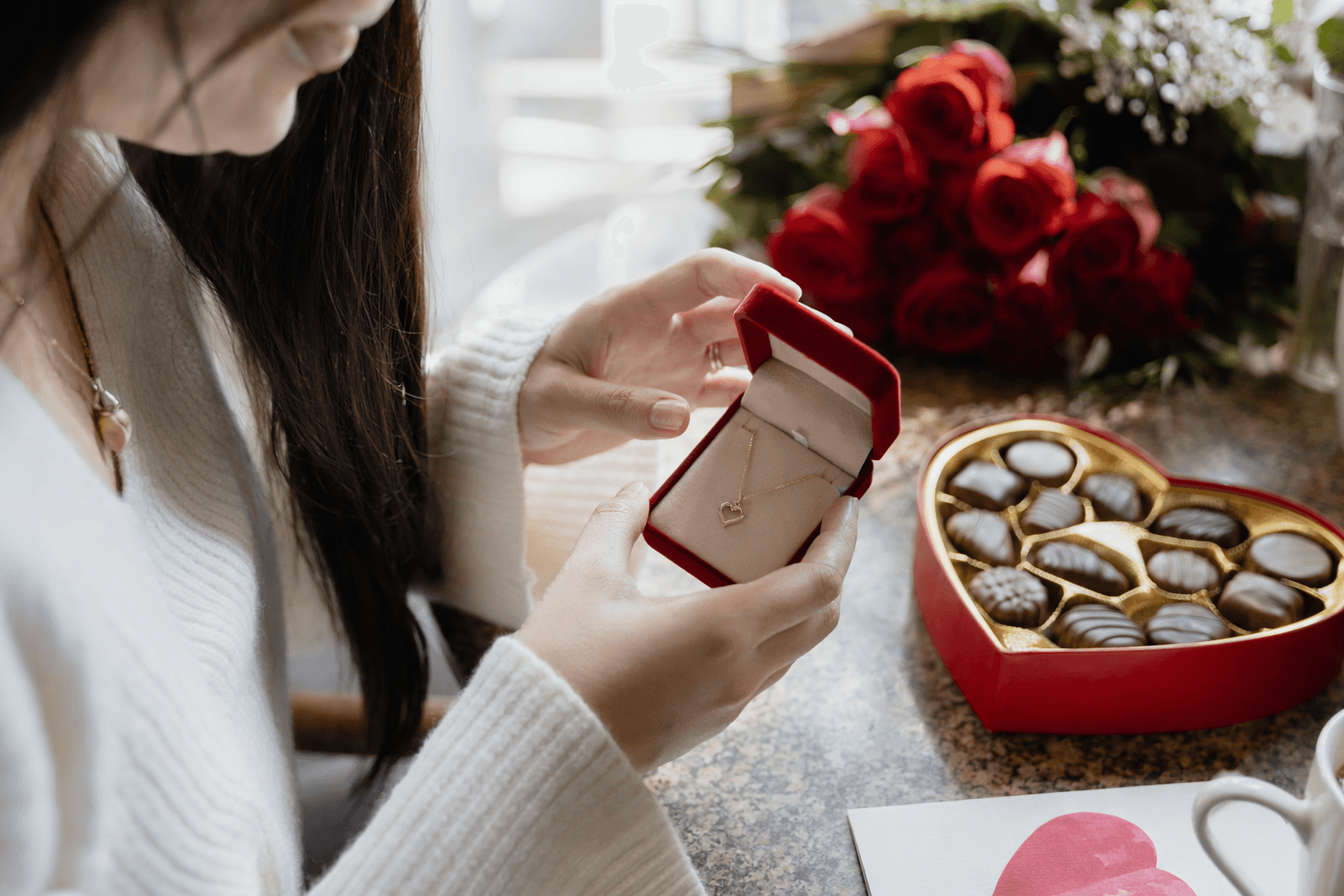
The safest Valentine’s gifts are still the classics, but the version that feels right now is far less generic: jewelry with initials, sweets with a handpicked touch, and cards that read like they were written for one person, not every person. That matters in a year when the National Retail Federation said U.S. consumers were expected to spend a record $29.1 billion on Valentine’s Day 2026, with average planned spending rising to $199.78.
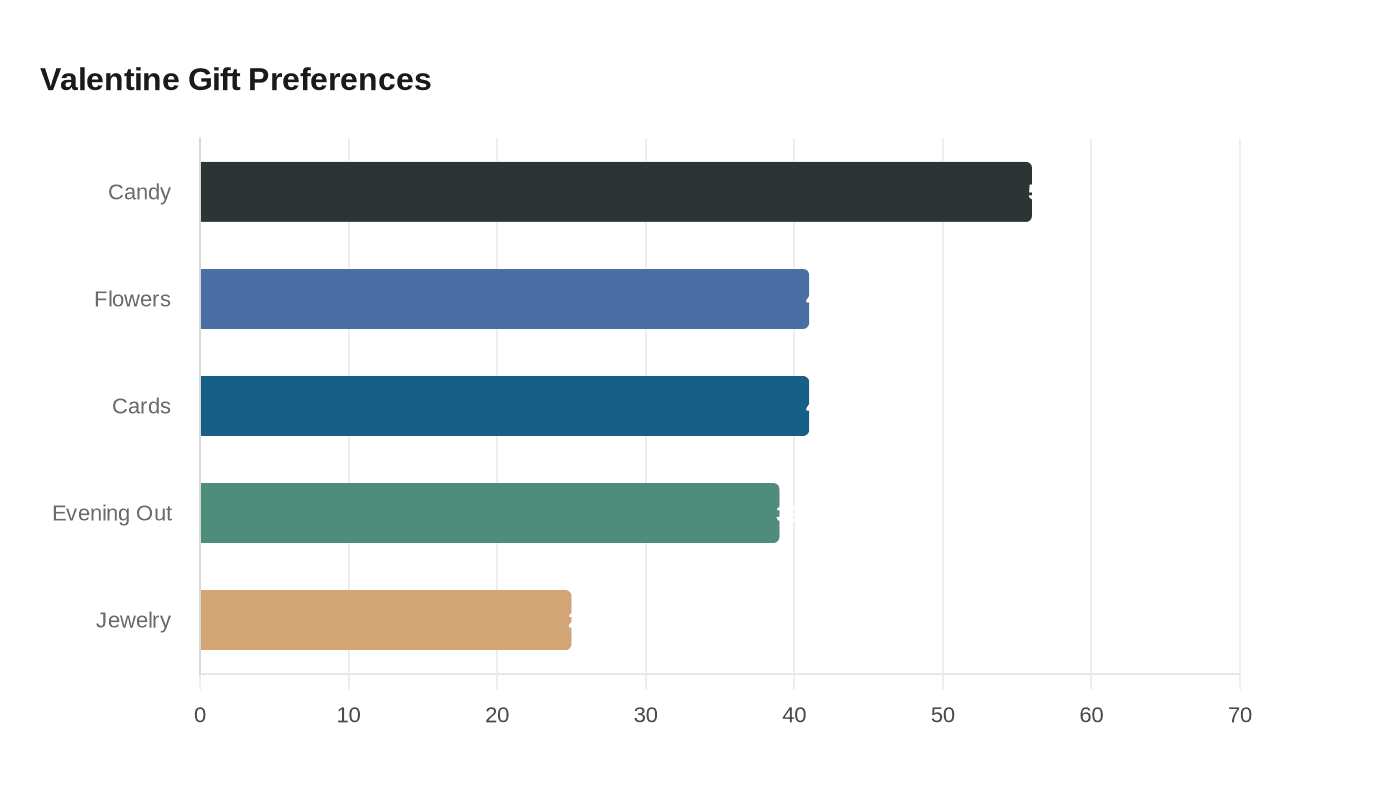
The old standbys still lead the way. In the NRF’s 2026 survey, candy topped the list at 56%, followed by flowers and greeting cards at 41% each, an evening out at 39% and jewelry at 25%. Jewelry still carried the most money, though, with expected spending of $7 billion. For anyone trying to buy well without overthinking it, that is the clearest signal: the holiday rewards familiar categories, but only when they feel tailored to the person receiving them.
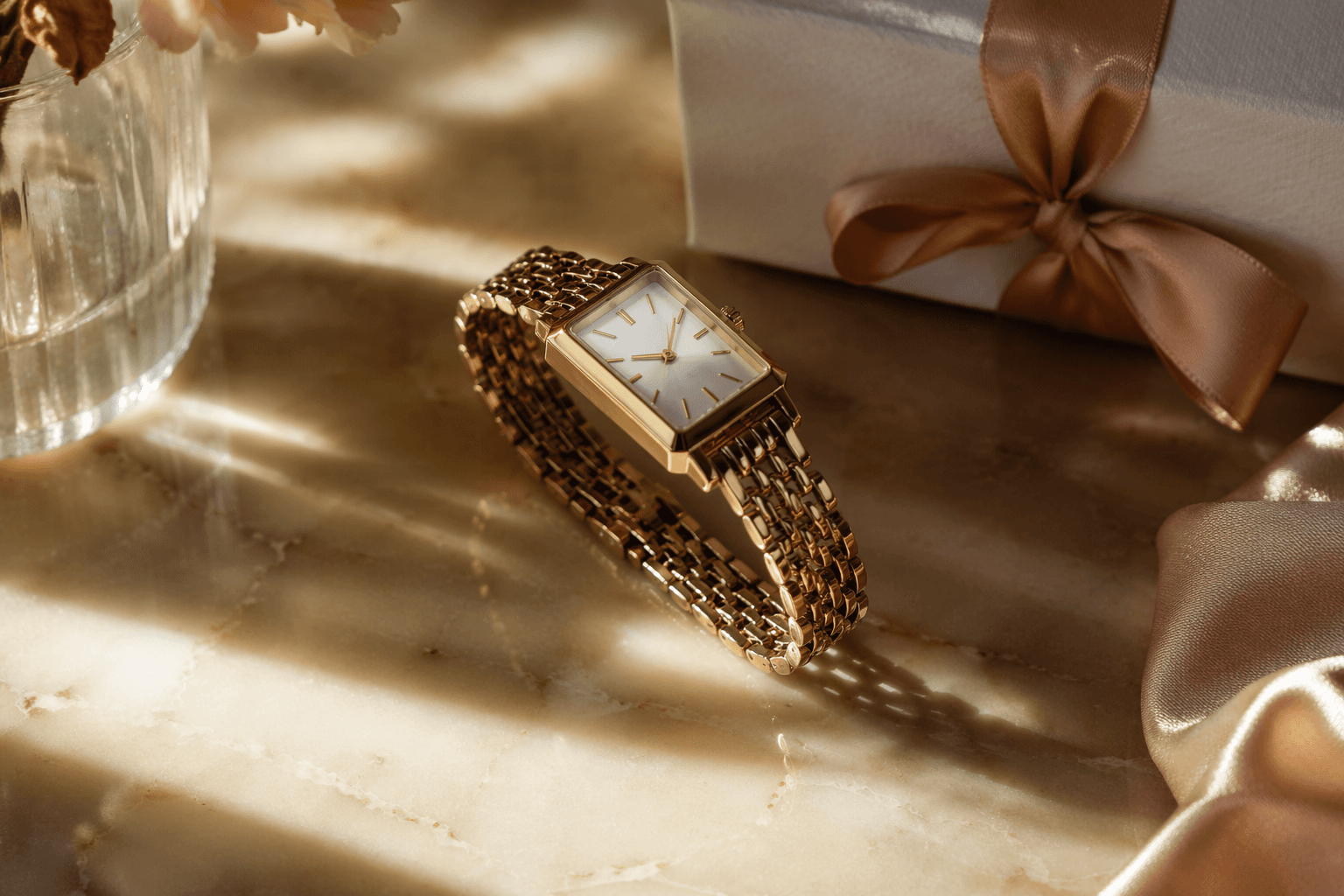
Faire’s trend data points to the same shift. Searches for “Valentine” on the platform began rising in November and peaked in January, while product uploads to the catalog doubled from August to September. Within jewelry, searches jumped 39% between December and January last year, and gold drew nearly twice the interest of silver. That makes the safest jewelry buy a piece that leans into sentiment, not just sparkle. Hearts, initials and lockets are the details retailers were favoring in gold, while silver worked better in engraving-friendly formats. In other words, a small customization can do more work than a bigger stone.
The broader market is also telling a different story about who gets remembered in February. In 2026, 33% planned gifts for friends, 21% for co-workers, 27% for children’s classmates and teachers, and a record 35% for pets. Three-quarters of celebrants started planning in the first week of February or earlier, which helps explain why the best Valentine’s buys are less about panic shopping and more about choosing one specific gesture that fits one specific relationship.
That is the sweet spot for the holiday now: not a grand overhaul of the tradition, but a smarter way to buy the familiar things people already love.
This article was produced by Prism’s automated news system from verified source data, official records, and press releases, then run through automated quality and moderation checks before publishing. The system is built and supervised by the people who set the standards it runs under. Read our full AI policy.
Did this article answer your question?