Why People Fear Underperforming on Valentine's Gifts, Research-Backed Tips
The real risk on Valentine’s isn’t the price tag, it is missing the recipient’s preferences; pick what they actually want, package it thoughtfully, and you’ll erase most of the anxiety.

Why the pressure feels so huge
A Psychology Today essay with a consumer research perspective pins the anxiety around Valentine’s on two forces: social expectations and mismatch. People worry that a gift signals how much they care, which turns an ordinary purchase into a performance. That same essay argues the simplest fix is also the hardest in practice: prioritize the recipient’s preferences over your fear of underperforming.
Make this practical: how to prioritize preferences
Start by gathering evidence, not intuition. Look at what your partner already buys, what they pin, the playlists they share, or the brands they use daily. The Psychology Today piece frames this as consumer-research thinking: treating gift selection like user research, where observing behavior beats guessing feelings. Use three quick moves: ask a low-stakes question, check recent receipts or wishlists, and enlist a friend who knows them well.
A four-step decision process you can follow
1) Observe: compile two clear signals, such as a preferred scent or a repeated hobby.
2) Narrow: pick one gift category that matches those signals, for example experiences for someone who collects memories, or quality basics for someone who values utility.
3) Personalize: add one meaningful detail, like an engraving or a framed date.
4) Present: package it to match the person, not your idea of showmanship. These steps reflect the research-backed advice to prioritize preferences rather than status signaling.
Gift ideas organized by what matters to them
Every suggestion below follows the essay’s core rule: match to the recipient’s preferences. I give a direct why, a concrete price, and a quick comparison so you can see if the value holds up.
- Custom photo book, printed hardcover, about $60 to $130 depending on size and paper. Why this works: it takes the visual evidence the essay recommends and turns observation into a tangible memory. Compared to a generic card, a photo book costs more but lands higher on emotional return per dollar.
- Framed vintage-style map of a meaningful place, $45 to $150 depending on framing. A map is less trendy than a novelty print and lasts longer, which suits someone who holds onto keepsakes.
The sentimental partner who keeps photos and mementos
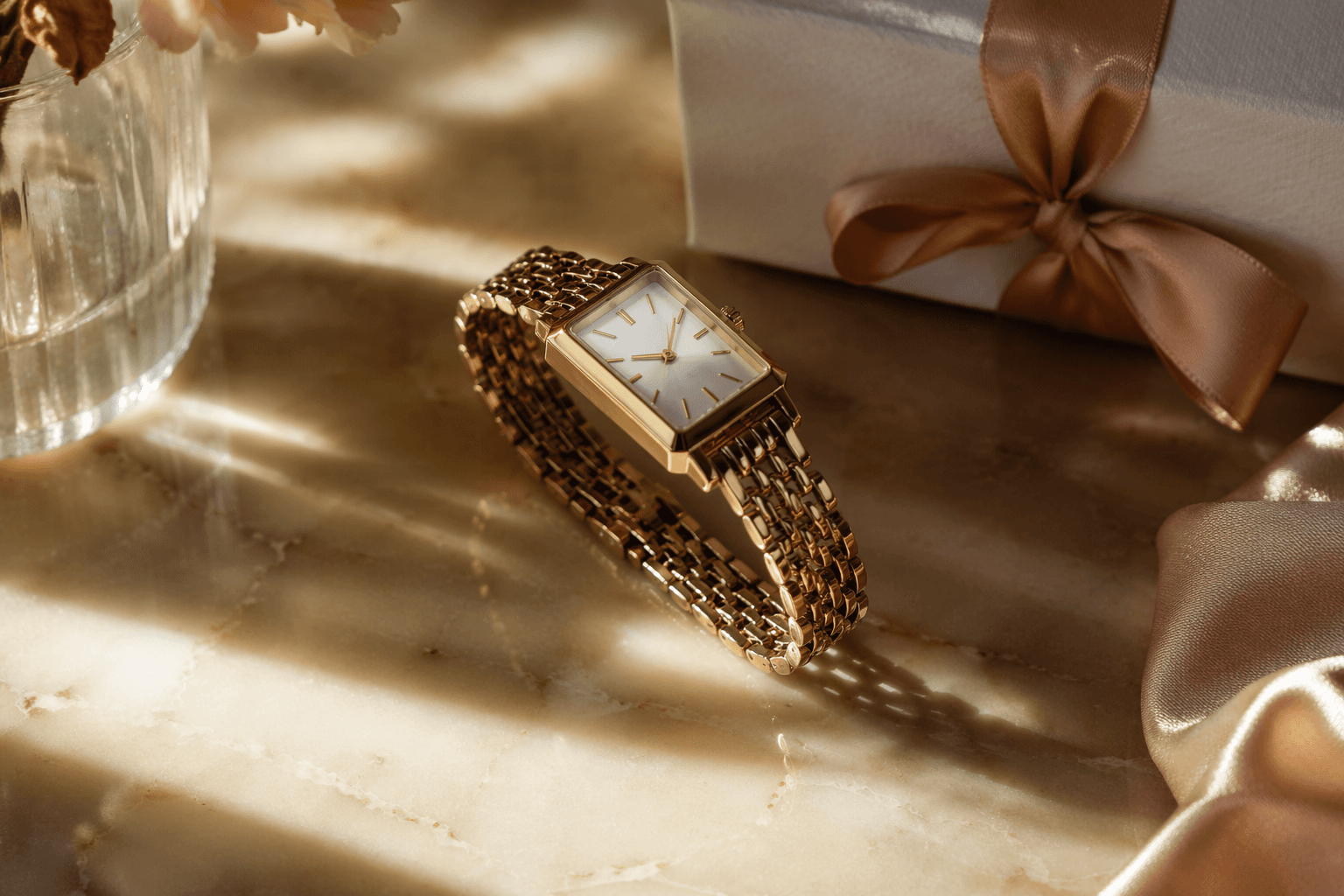
- High-quality everyday item, such as a 14k gold-plated minimal necklace or a stainless-steel watch band, $120 to $300. Why: the Psychology Today guidance stresses matching everyday preferences; a well-made staple that they will actually wear or use beats an extravagant but unused piece. Compare price to fast-fashion equivalents: spending more here pays off because of durability and style longevity.
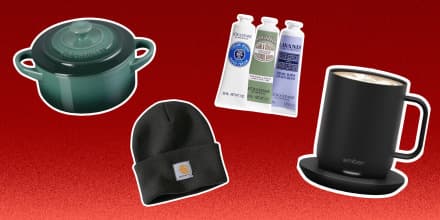
- Premium kitchen tool or tech accessory, $60 to $250. For someone who cooks or works from home, give something that removes friction, not something decorative.
The practical partner who values utility over flash
- Curated experience: a two-hour workshop, tasting, or guided tour, $50 to $200 per person. The essay highlights that for some people gifts are signals of attention; an experience you choose because it aligns with their tastes shows you listened. Experiences beat objects for a person who values social memories.
- Weekend getaway fund: contribute $200 to $800 toward a trip. Be explicit about dates and logistics so it is a real plan, not a vague promise.
The experience-first partner who remembers moments not things
- Smart wellness subscription, such as a meditation or sleep app annual plan, $60 to $180 per year. Match the subscription to the habit you observe. A paid plan matters more for someone who already uses the free version.
- Luxury bath set or weighted blanket, $50 to $200. Material and construction matter; compare fabrics and fill weights, because someone who prioritizes comfort will notice cheap substitutes.
The self-care devotee who prioritizes rituals
- Small fine jewelry like 14k gold hoops or a signet ring, $150 to $600. Jewelry is personal, which is why the essay’s advice applies: choose a style they already wear. If they never wear gold, don’t buy gold to make a statement.
- Personalized piece with initials or a subtle engraving, $120 to $350. Personalization is only worth it if the person values sentiment; match the engraving style to their aesthetic.
The jewelry person who sees pieces as identity
Presentation beats price every time
The Psychology Today essay stresses that misalignment often comes from presentation that feels performative. Presentation is cheap to get right. Wrap a practical gift in paper and a short handwritten note that references something specific you observed, for example, "For every late-night playlist you send" or "Because you always choose function first." Small touches cost $5 to $15 and amplify a thoughtful gift.
Red flags and how to avoid them
Don’t assume that "surprise" equals success. The essay notes that surprises can go sideways when preferences are unknown. Avoid grand gestures that force the recipient to reciprocate, and don’t let social comparison drive your purchase. If you are buying based on what will impress friends or followers, you are not prioritizing the recipient.
When you have no time: a fallback plan that still respects preferences
If you are last-minute, choose a highly customizable or experiential gift that can be delivered instantly and personalized later. Examples: a voucher for a favorite local restaurant, a digital course aligned with their hobby, or a same-day delivery from a local artisan. Pricing varies widely; plan to spend $50 to $200. The key is to make the follow-up personal: schedule the course start date together or reserve a specific dinner date.
How to calibrate budget to intent
The Psychology Today perspective implies that fit matters more than spend. Spend enough to show that you prioritized their preferences, not to signal wealth. A useful rule: allocate your budget so that at least 60 percent of the value goes toward quality and relevance, and the rest toward presentation and personalization. That means a $150 gift can outperform a $600 gift if it is chosen for the right person.
Final thought
Fear of underperforming on Valentine’s is mostly fear of being misunderstood. The research-backed remedy is straightforward: treat gift-giving like consumer research, prioritize evidence of the recipient’s preferences, and use thoughtful presentation to close the loop. Do that and the pressure fades, because you are no longer performing for an audience, you are responding to a person.
This article was produced by Prism’s automated news system from verified source data, official records, and press releases, then run through automated quality and moderation checks before publishing. The system is built and supervised by the people who set the standards it runs under. Read our full AI policy.
Did this article answer your question?