Best 3D Printer Slicers, Free Tools That Shape Print Quality
The cheapest upgrade in 3D printing is often the slicer, not new hardware. OrcaSlicer, Bambu Studio, and Cura each fix a different kind of print failure fastest.
1. OrcaSlicer
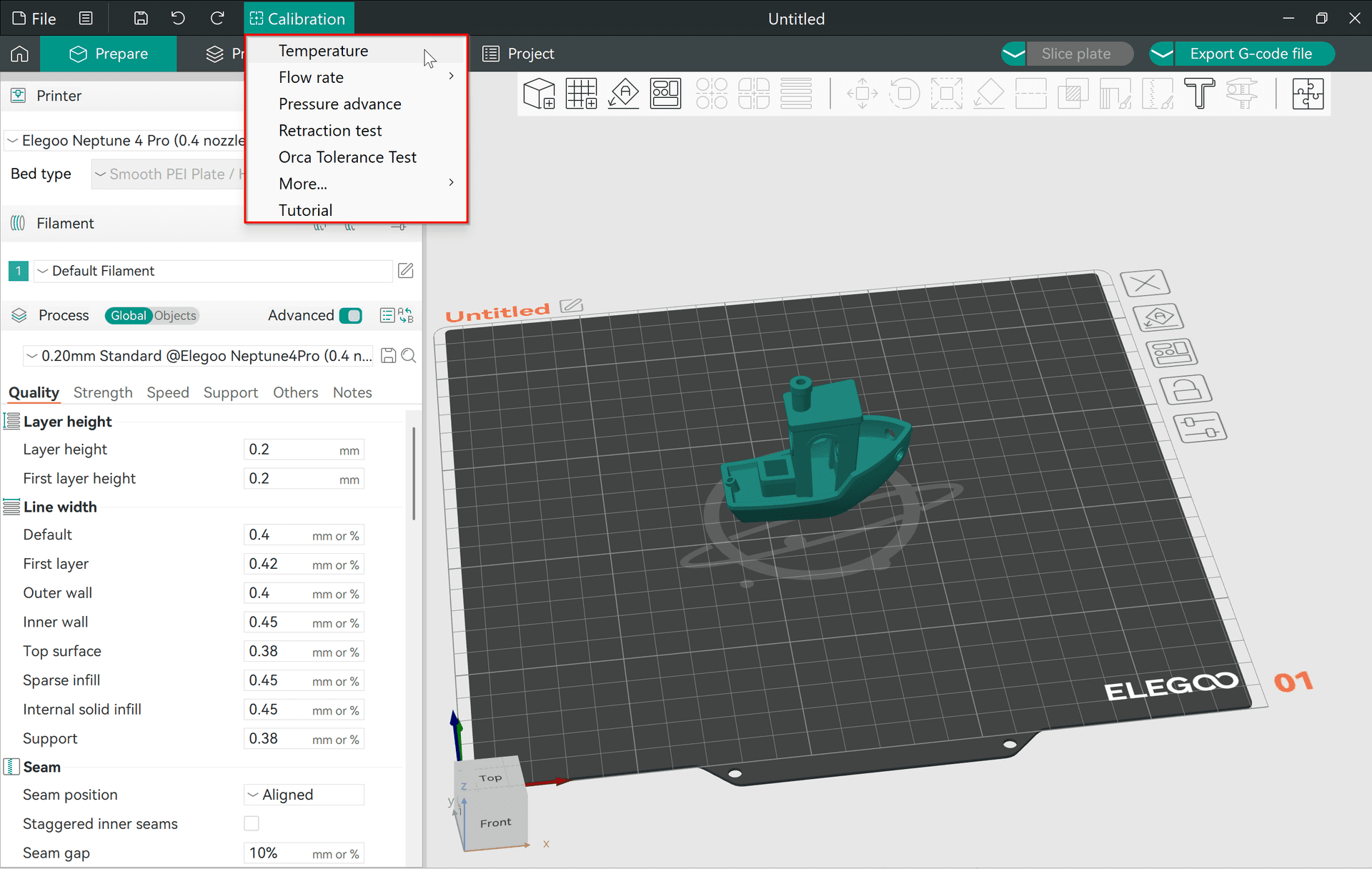
The cheapest upgrade in 3D printing is not a new hotend or a pricier machine, it is the slicer that can stop a bad profile from ruining every print. OrcaSlicer is the community’s sharpest tuning knife, built for the moment a print starts going sideways and you need answers fast. Its official README puts advanced calibration tools front and center, along with wall and seam control, tree supports, and adaptive slicing, while the wiki digs into flow rate, pressure advance, temperature towers, retraction tests, and other calibration steps that help isolate the real problem instead of guessing at it.
That is why OrcaSlicer fits the tinkerers and the troubleshooting-heavy crowd. If you are chasing speed, cleaner seams, fewer retraction scars, or a better first layer without blindly changing hardware, Orca gives you the controls that matter. The lineage explains some of the familiarity too: it was originally forked from Bambu Studio, and Bambu Studio itself traces back to PrusaSlicer, Slic3r, and the RepRap community, so the family resemblance runs deep even as Orca has become its own tuning-first ecosystem.
2. Bambu Studio
If you own a Bambu Lab machine, Bambu Studio is the most obvious place to start because it is built around that hardware rather than merely tolerated by it. Bambu Lab describes it as open-source slicing software with a project-based workflow and optimized slicing algorithms, and its AMS support turns multicolor and multi-material printing into part of the normal workflow instead of a separate pain point. For a new owner, that matters as much as any benchmark number, because the fastest path to a reliable first layer is usually the slicer that already knows the printer.
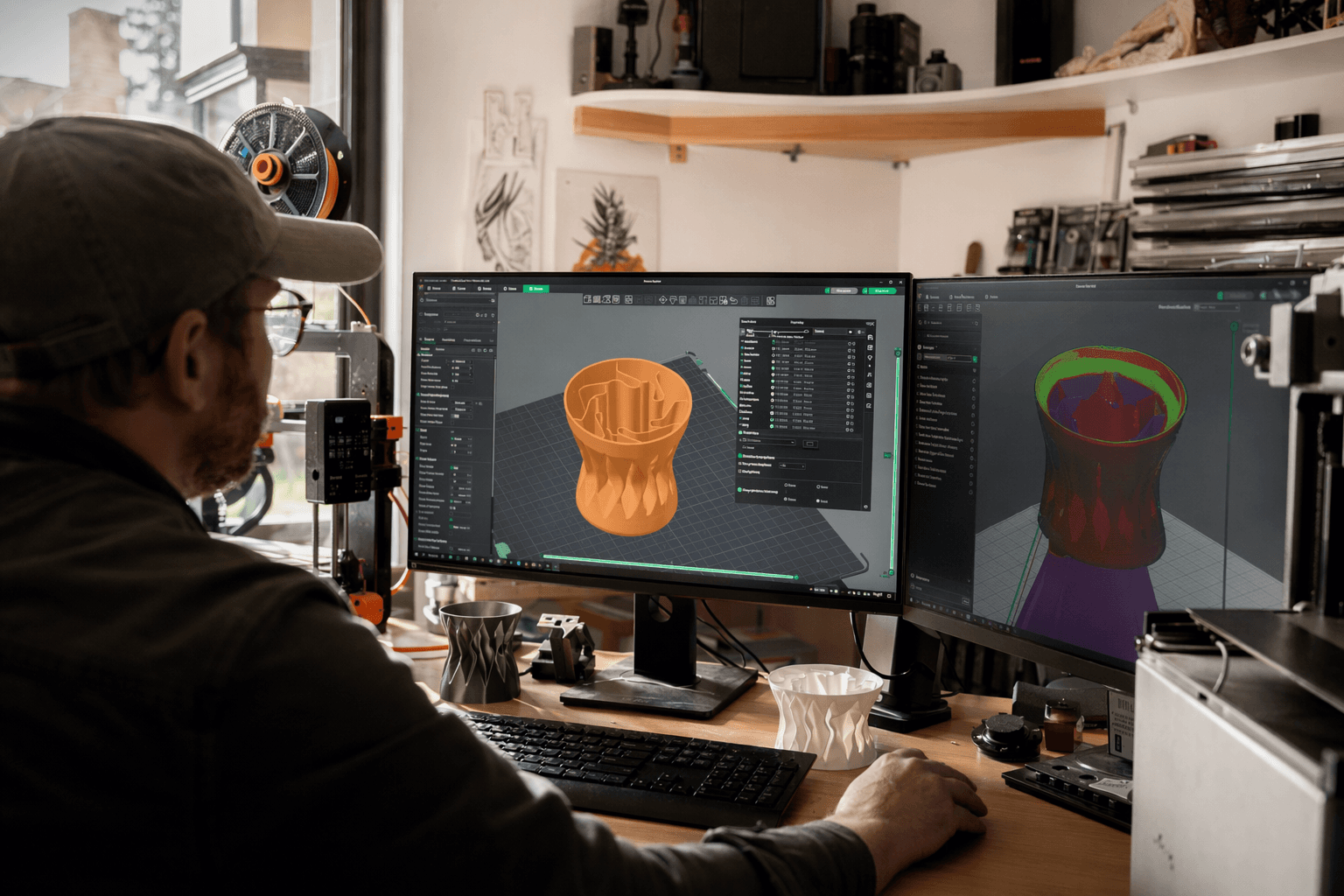
This is the plug-and-play pick in the group, and it is the one to hand to a beginner who wants to print instead of spelunking through settings. The software keeps evolving with frequent updates, and the Bambu ecosystem integration is the point: profiles, AMS mapping, and printer-specific behavior all line up in a way that reduces friction before the first spool even starts feeding. If OrcaSlicer is the wrench set, Bambu Studio is the factory tool that fits the machine it was designed for.
3. UltiMaker Cura
Cura is still the universal fallback, the slicer that shows up when you want a huge user base behind you and a plugin ecosystem that can cover the weird edge cases. UltiMaker says Cura is free, open source, and trusted by millions of users, with more than 400 settings to poke at, and the Marketplace currently lists 65 plugins. That combination makes it the practical default for printers that are not locked into a single ecosystem, especially when you need a profile that gets you back to a working print without spending the night rebuilding one from scratch.
For Prusa owners, PrusaSlicer remains the natural native choice, and it stays in the conversation because it is also free, open source, account-free, and available on Windows, macOS, and Linux, with version 2.9.4 released on November 7, 2025 and active development continuing. On the resin side, Chitubox and Lychee keep the desktop vat-printing crowd covered, which underlines the bigger point here: slicers are where the hobby now lives and breathes. Hardware matters, but the software decides whether that hardware prints cleanly, reliably, and fast enough to keep you reaching for the next spool.
This article was produced by Prism’s automated news system from verified source data, official records, and press releases, then run through automated quality and moderation checks before publishing. The system is built and supervised by the people who set the standards it runs under. Read our full AI policy.
Did this article answer your question?