Divergent3D slashes ERAM missile costs and timelines with additive manufacturing
Divergent says its additive workflow took cruise-missile structures from clean sheet to first flight in 16 weeks, with key airframe parts out in 10.
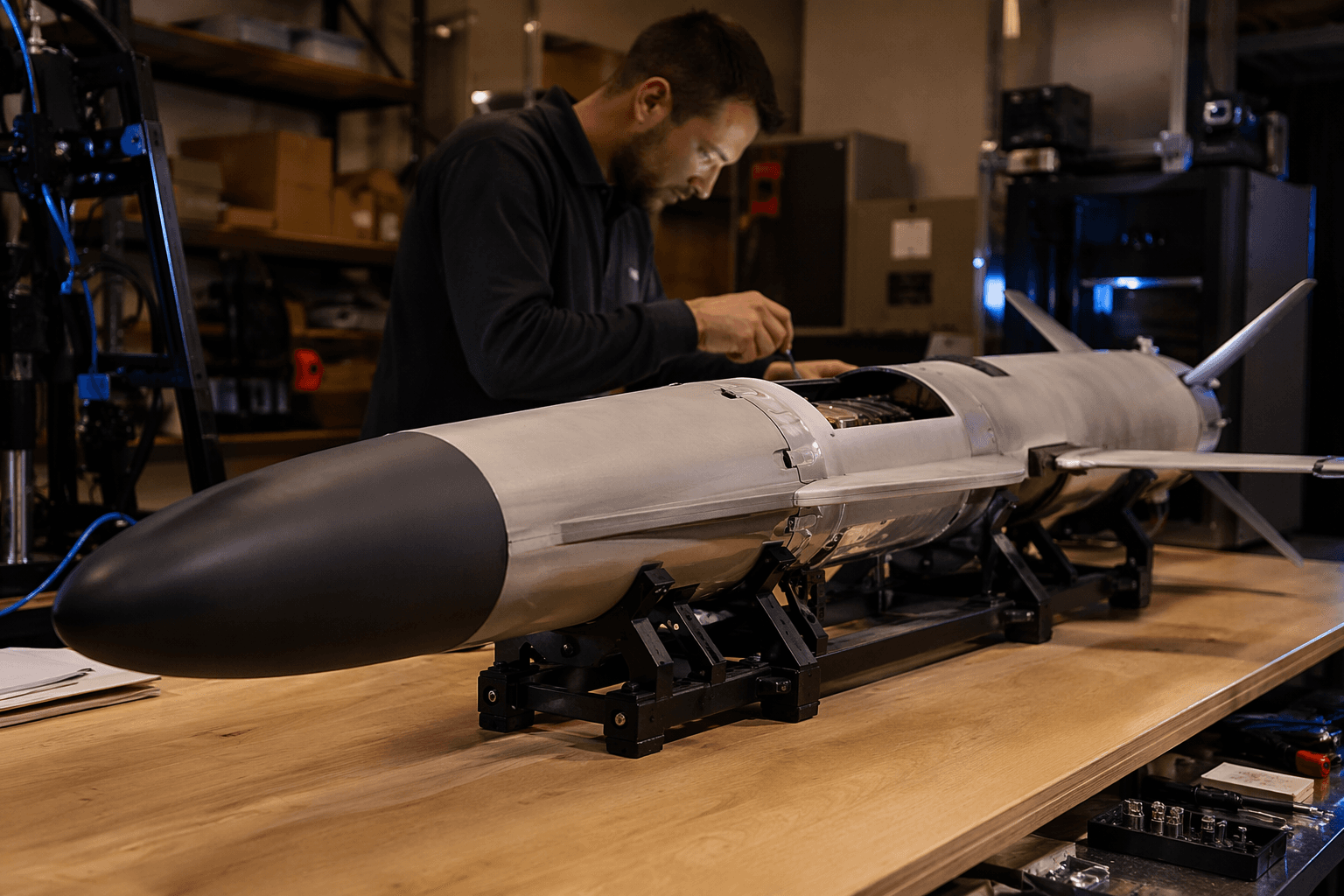
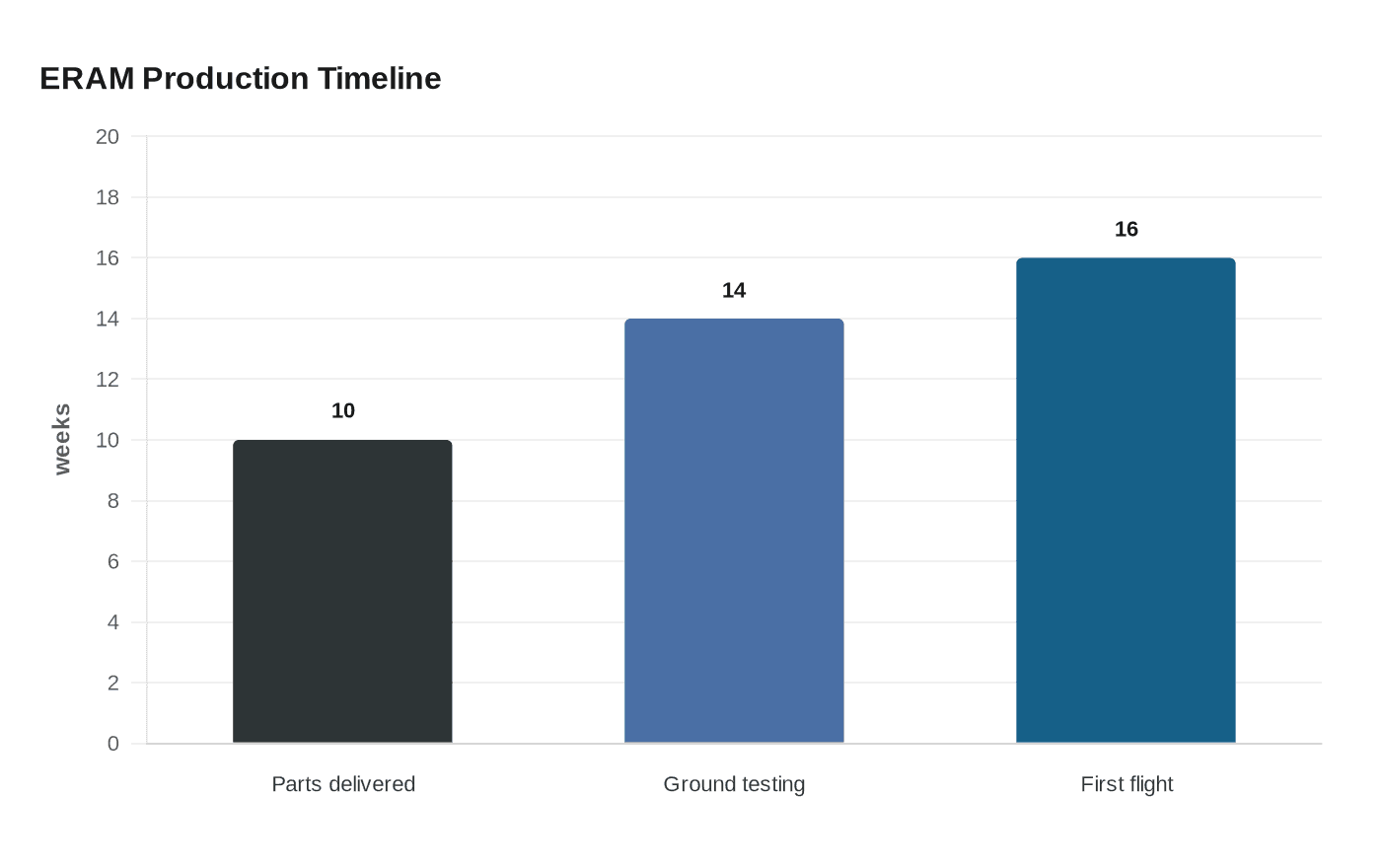
The first mass-produced ERAM cruise missiles put a hard number on a question the 3D printing world knows well: when does additive manufacturing actually beat conventional production? Divergent says its answer is speed, with cruise-missile structures moving from clean sheet to first flight in 16 weeks, first fuselages, wings and fins delivered in 10 weeks, and fully integrated test rounds entering ground testing in 14 weeks.
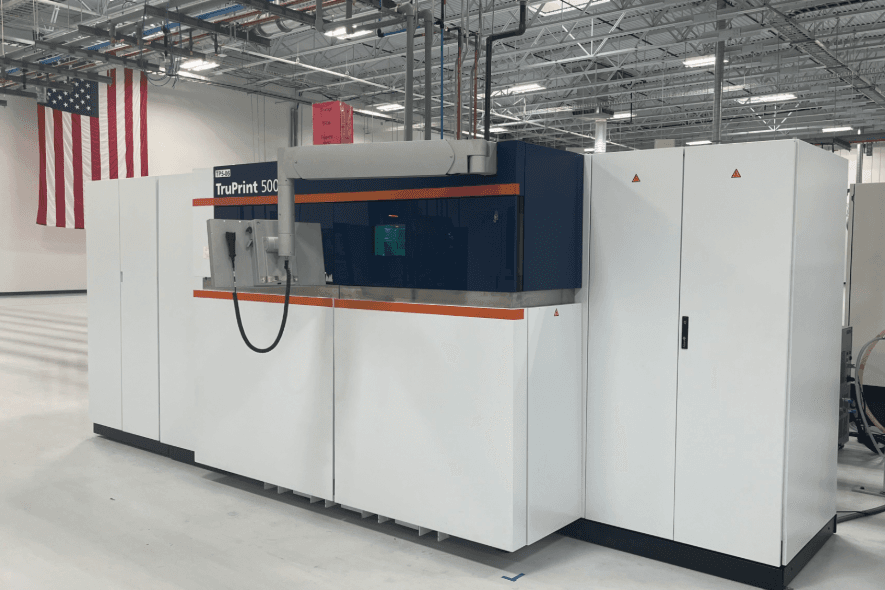
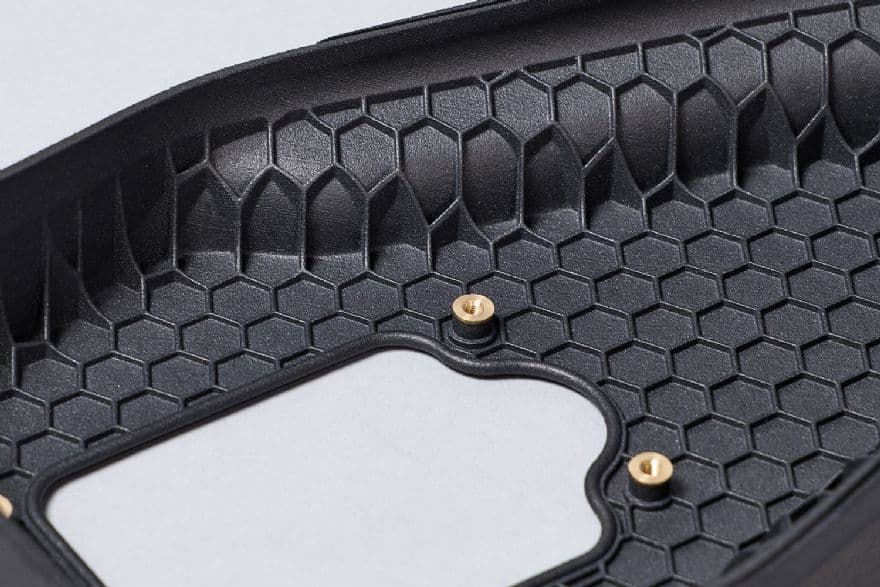
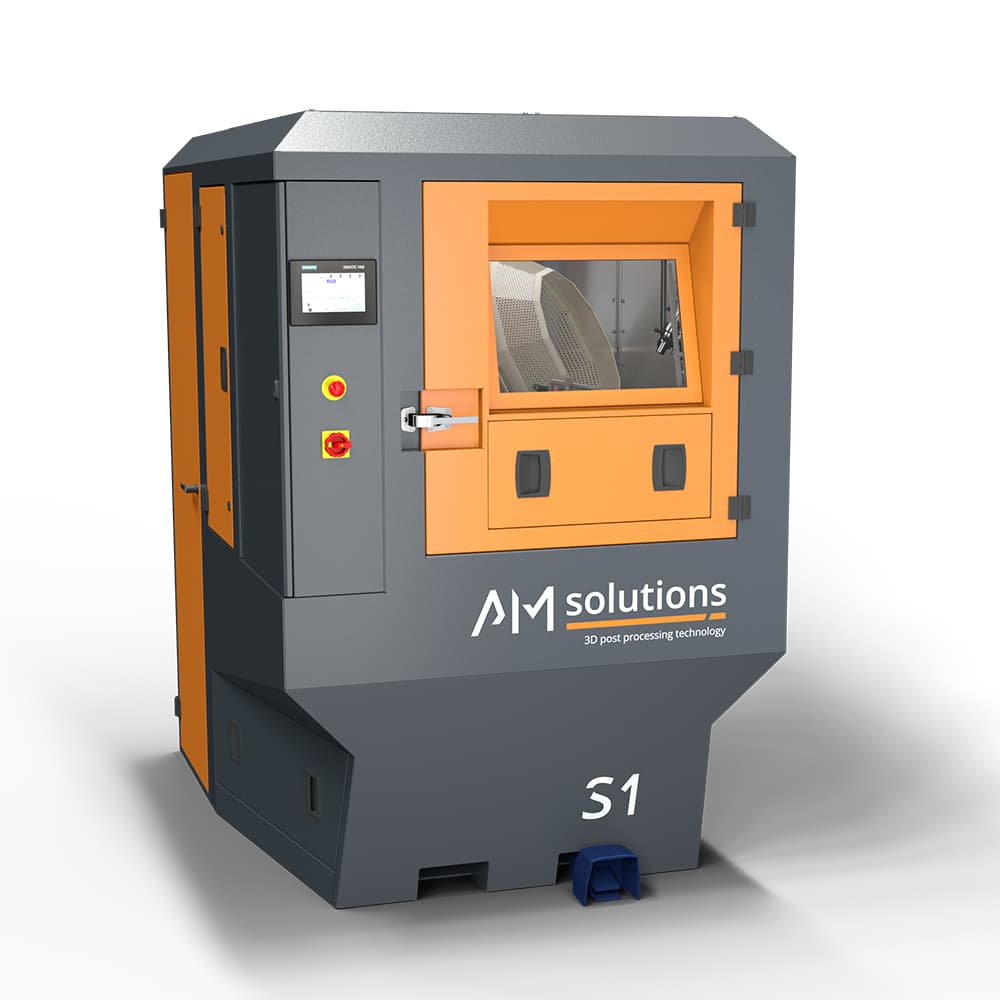
Those gains came from Divergent Adaptive Production System, or DAPS, which combines AI-driven design, industrial-rate additive manufacturing and universal robotic assembly. In practical terms, that means the manufacturing system is doing more than printing a part. It is supporting a clean-sheet design flow, producing structural components quickly and then handing them off to robotic assembly, a combination aimed at cutting both tooling time and the long lead times that slow traditional defense production.
The ERAM program itself was built around that pressure. The U.S. Air Force issued the request for proposals in July 2024 for a low-cost, air-launched weapon that could be produced quickly and in large numbers, then awarded prototype contracts to Zone 5 Technologies and CoAspire later that year. On January 21, 2025, the Air Force carried out a live-warhead test at Eglin Air Force Base in Florida, saying all primary objectives were met, including full warhead detonation. That test gave the program data to keep maturing the system.
The scale of the opportunity sharpened on August 28, 2025, when the U.S. State Department approved a possible Foreign Military Sale to Ukraine of up to 3,350 ERAM missiles and 3,350 embedded GPS/inertial navigation systems, with an estimated value of $825 million. The package also included missile containers, pylons, support equipment, software, training, logistics and technical support. Funding would come from Denmark, the Netherlands, Norway and U.S. Foreign Military Financing. Reuters reported the missiles would carry GPS guidance kits and electronic warfare defenses and reach several hundred miles.
Divergent’s defense push has widened beyond ERAM. In June 2025, the company said it was selected for the Air Force’s $46 billion EWAAC contract vehicle, a move that placed DAPS inside a broader Pentagon effort to field affordable weapons faster. By September 2025, Divergent had also raised $290 million in Series E financing at a reported $2.3 billion valuation, including $250 million in equity and $40 million in debt. Kyle Bass, co-CEO of Rochefort Asset Management, called Divergent a builder of “a stronger, faster, and more adaptable industrial base” and said it was proving the U.S. could “out-innovate and out-produce on the global stage.”
That is the real takeaway from ERAM. Additive manufacturing is not replacing every traditional production line, but where the target is a fast-turn, low-cost, design-to-test pipeline, Divergent is showing how printed structures, robotics and software can compress the calendar in a way legacy manufacturing rarely does.
Know something we missed? Have a correction or additional information?
Submit a Tip