TPM3D pairs SLS and PEBA to push 3D-printed shoes toward performance wear
TPM3D is trying to move 3D-printed footwear out of novelty territory by pairing SLS with PEBA and backing it with 200,000-cycle durability data.
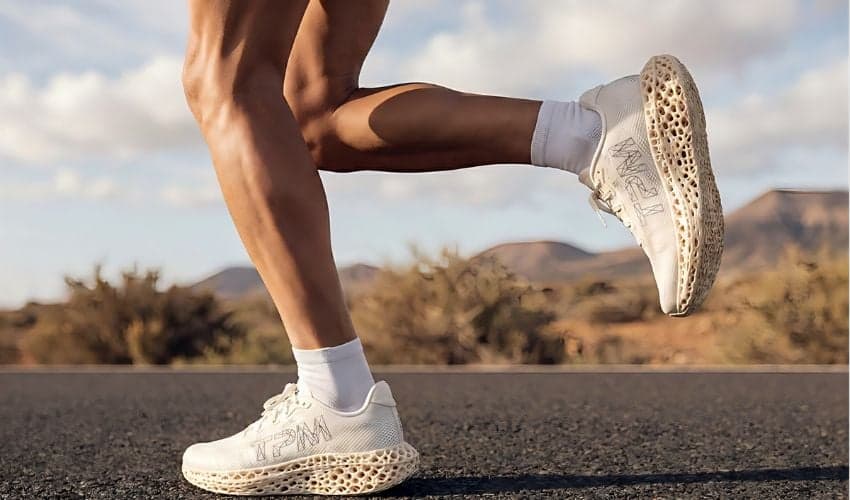
TPM3D has staked its footwear push on a harder question than whether a printed shoe can look futuristic: can it hold up under repeated load, keep its rebound, and stay repeatable from build to build? In a May 6 announcement, the company called its system the world’s first industrial-scale integration of selective laser sintering with high-performance PEBA for end-to-end footwear manufacturing, and the claim lands squarely in the performance lane.
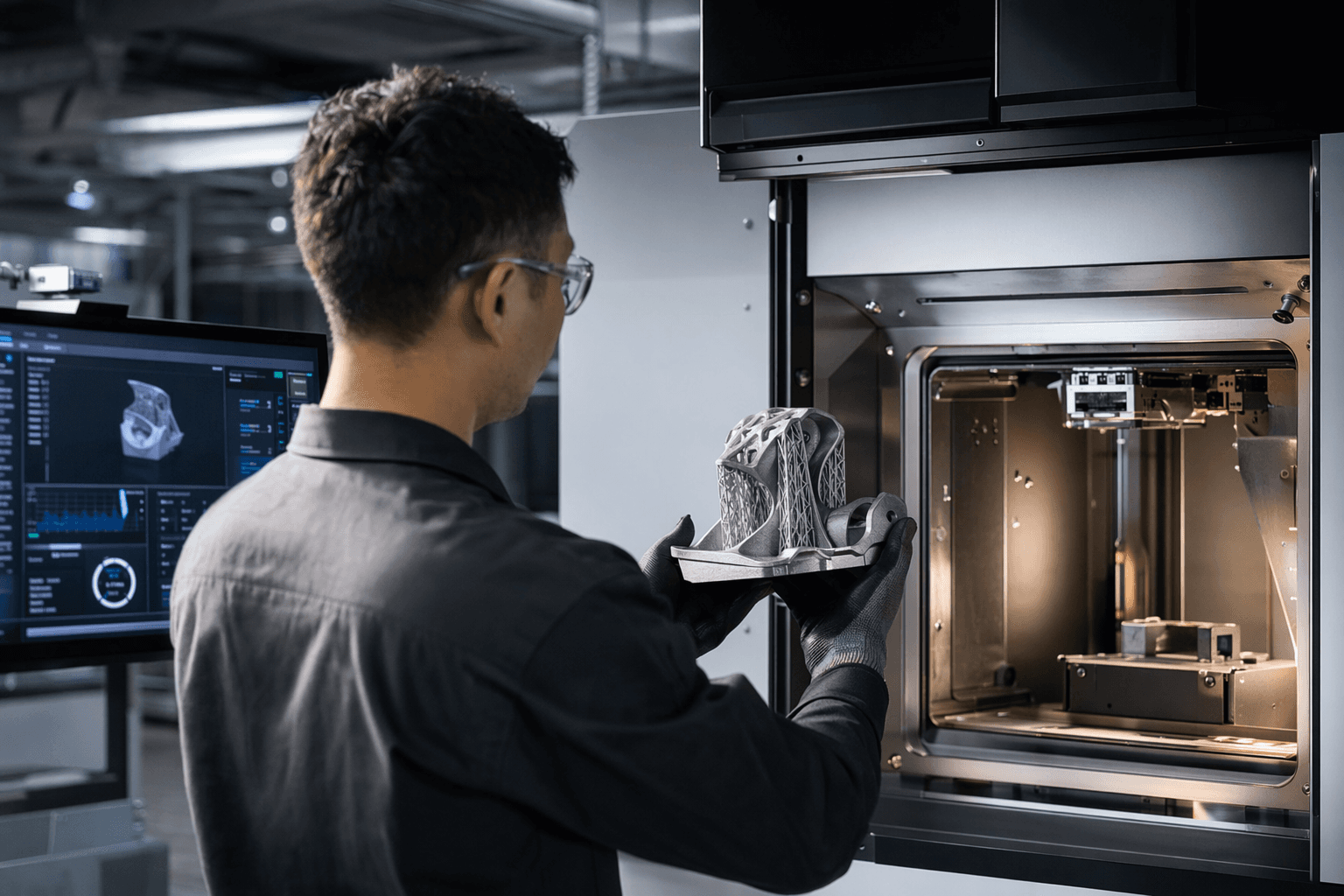
That is the real fault line in 3D-printed shoes. DLP, SLA, and FDM can produce eye-catching forms, but they have usually struggled when the brief shifts to energy return, fatigue resistance, and durability. TPM3D’s pitch is that SLS changes the geometry problem by removing the need for discrete support structures, which opens the door to lattice midsoles, zoned cushioning, and more sophisticated topological designs. PEBA supplies the elastic behavior and fatigue resistance that performance footwear demands, while TPM3D says its own post-processing improves mechanical consistency and helps parts behave more uniformly regardless of print orientation.

The company’s most important evidence is not the marketing language but the testing. TPM3D cited internal results showing a compression set of 22% to 26% and no irreversible deformation after 200,000 dynamic flex cycles. That is the kind of number that matters if printed footwear is going to be judged like performance gear instead of a design object. It suggests the company is trying to answer the durability question head-on, not just chase a new surface texture or a clever silhouette.
TPM3D says it brings more than 20 years of SLS expertise to the project and has built a broader digital footwear workflow that spans design, materials, printing equipment, and post-processing. The company also said at the China International Supply Chain Expo on July 17, 2025, that a shoe could be printed in 25 minutes, a reminder that speed remains part of the value proposition alongside material performance.
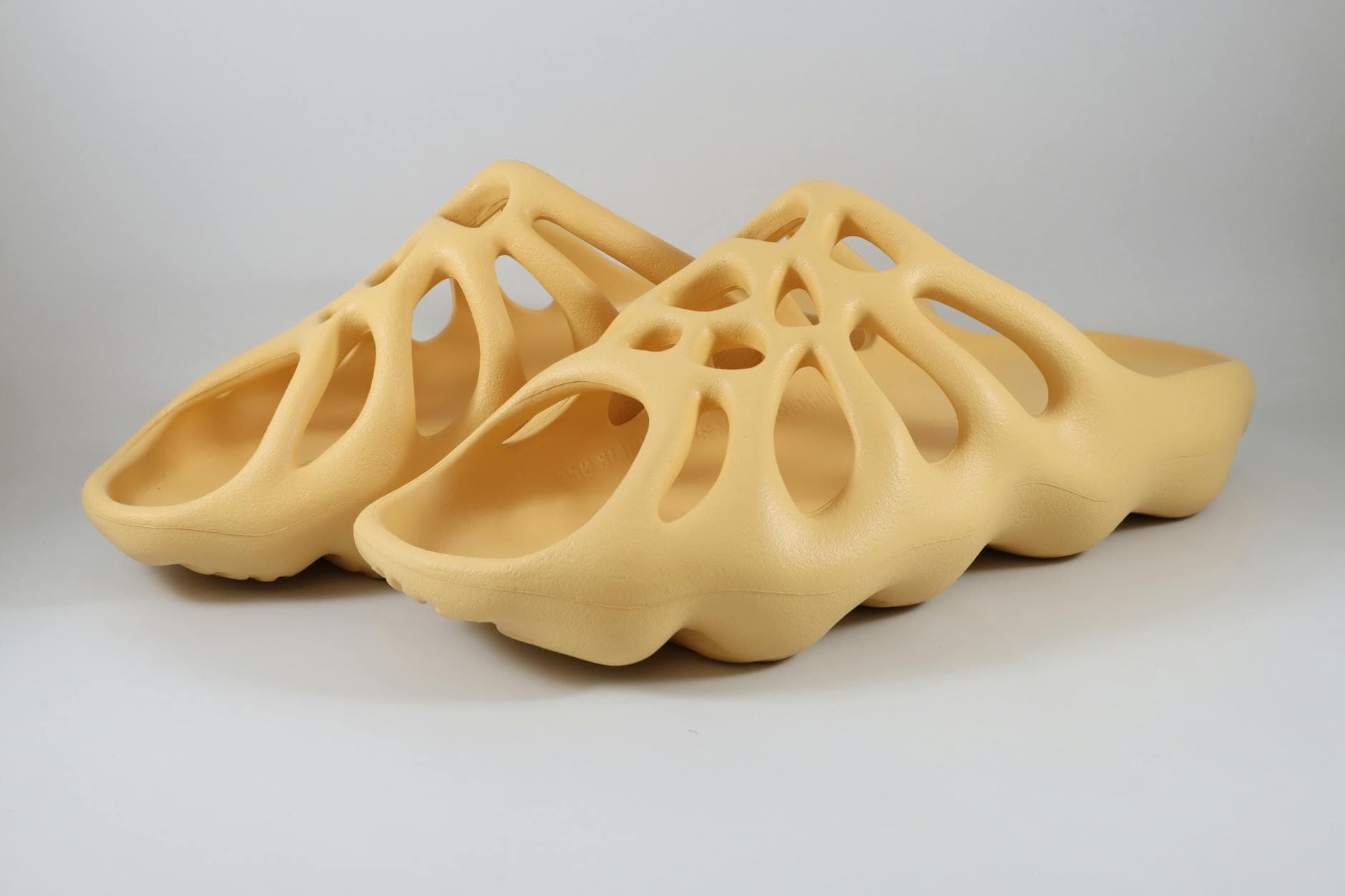
The timing matters because the category has already moved beyond pure concept work. adidas unveiled Futurecraft 3D on October 7, 2015, then followed with Futurecraft 4D in April 2017, calling it its first high-performance shoe with midsoles made using Digital Light Synthesis and targeting more than 100,000 pairs by the end of 2018. Nike has kept pressing too, unveiling the Air Max 95000 in October 2025 as the second shoe developed with Zellerfeld and saying last week that its Air Works program will pair designers with Zellerfeld to create distinctive 3D-printed Air Max styles.
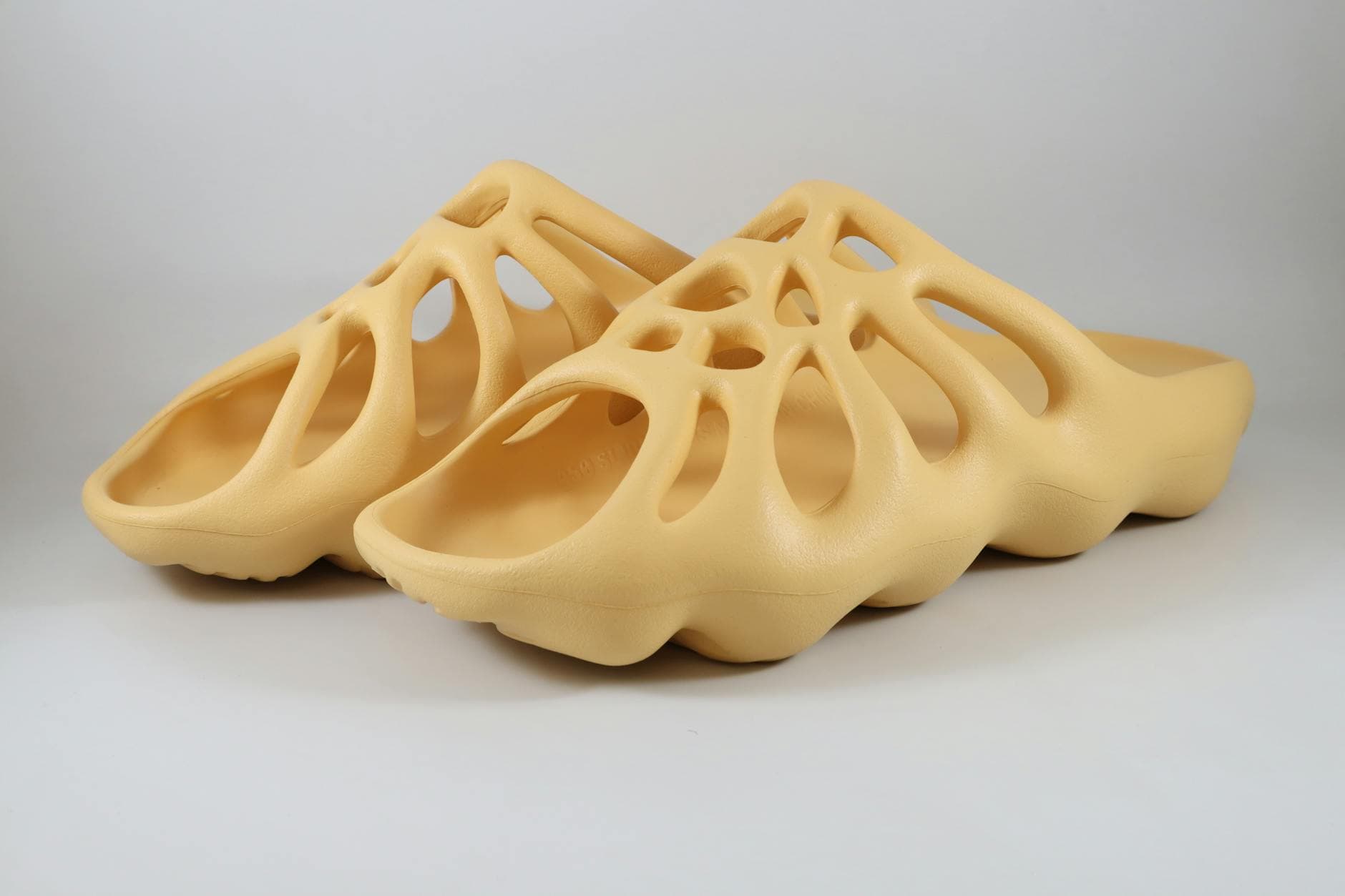
That is why TPM3D’s SLS-plus-PEBA move reads less like another materials announcement and more like a manufacturing test. The question now is not whether 3D-printed shoes can exist, but whether they can finally behave like real performance footwear.
Know something we missed? Have a correction or additional information?
Submit a Tip