University of Mississippi Uses 3D Printing to Deliver Cancer Drugs Directly to Tumors
Ole Miss researchers printed implantable spanlastic nano-carriers, 200-300 nanometers wide, that killed breast cancer cells in lab tests while leaving healthy tissue untouched.
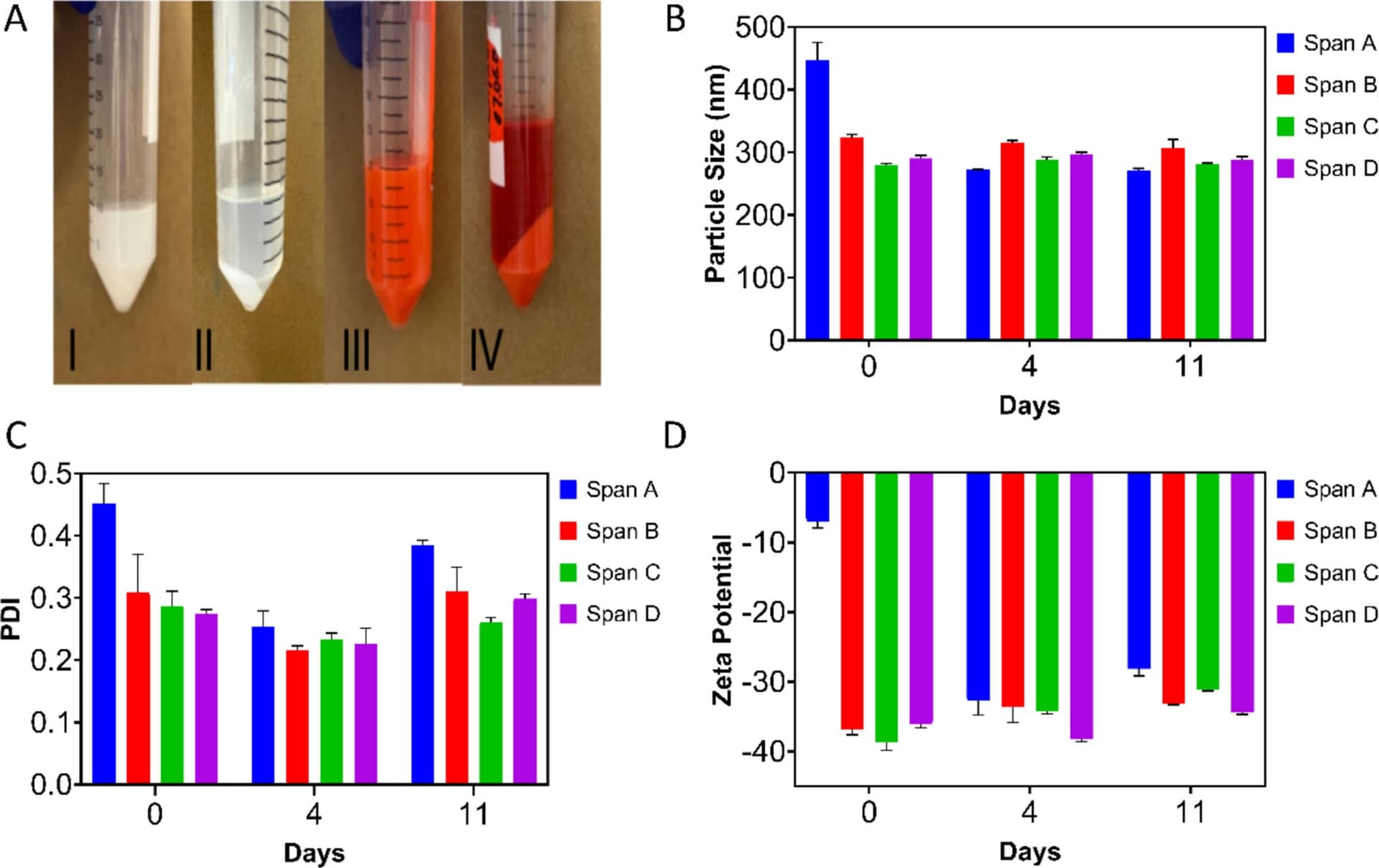
A research team at the University of Mississippi used FRESH 3D printing to produce implantable constructs loaded with spanlastics, nanoscale capsules just 200 to 300 nanometers in length, that delivered the chemotherapy drug doxorubicin directly to breast cancer cells in laboratory testing. For scale: a single human hair measures roughly 100,000 nanometers wide.
The work, published in Pharmaceutical Research, sits at a junction between additive manufacturing and nanomedicine that could fundamentally change how oncologists approach localized chemotherapy. Traditional treatment is administered orally or injected into the bloodstream, where the circulatory system scatters the drug throughout the entire body, battering healthy tissue alongside cancerous cells and triggering the side effects patients dread: hair loss, nausea, and damage to blood-forming cells.
"This paper introduced a new 3D printing concept called FRESH 3D printing," said Mo Maniruzzaman, chair and professor of pharmaceutics and drug delivery at Ole Miss. "It uses spanlastics as a new nano-drug delivery vehicle for anticancer drug delivery. We actually applied this on breast cancer cells and we got some really, really promising data."
The spanlastics function as microscopic cargo carriers. Once embedded in a 3D-printed hydrogel construct, the implant can be placed directly at a tumor site, releasing its therapeutic payload where it is needed most. "Having the drug in an implant, or in our case, a 3D-printed construct, and placing that construct at the tumor sites means we can concentrate the delivery to the tumor area, instead of throughout the whole body," said Elom Doe, a third-year doctoral student in pharmaceutical sciences from Accra, Ghana. Because of their tiny size, the carriers can pass through cell membranes and deposit high concentrations of drugs directly inside cancer cells, where every chemotherapeutic agent must ultimately act to be effective.

The team was clear-eyed about where this work sits on the path toward clinical use. "What we did is test how the drug acts in vitro or outside the body," Doe said. "We would have to test it in in-vivo models before we can think of delivering it to patients, and that's not a job you can do in a day."
Jaidev Chakka, principal scientist in Ole Miss's School of Pharmacy and a co-author, framed the dual achievement the study represents. "With this study, we did two things: One is using 3D printing as a fabricating method for a hydrogel-based drug delivery system," he said. "The second one is we demonstrated these drug delivery systems can be effective in killing cancer cells in vitro, but there is still a long way to go."
The research was conducted at Ole Miss's Thad Cochran Research Center. Scaling from promising in vitro results to an approved implantable device requires controlled-release studies, animal trials, and a regulatory pathway that accounts for combined device-drug product classification. But as the first demonstration that FRESH-printed spanlastic constructs can kill cancer cells in a lab setting, the study opens a line of inquiry with real clinical stakes for a disease where systemic toxicity has always been the cost of treatment.
This article was produced by Prism’s automated news system from verified source data, official records, and press releases, then run through automated quality and moderation checks before publishing. The system is built and supervised by the people who set the standards it runs under. Read our full AI policy.
Did this article answer your question?