Alabama indie film thrives on locally built productions
Alabama’s edge is not just where a film is shot, but who builds it. The strongest productions here hire local, spend local, and keep the work inside the state.

Alabama filmmaking works best when the production is built here from the ground up, not simply staged against a recognizable backdrop. The state’s most durable indie model has always depended on Alabama writers, directors, actors, and crew making the call sheet as local as the location list, with money, jobs, and relationships staying in-state long after wrap.
What a truly local Alabama production looks like
A 2005 feature on independent movies made in Alabama captured that idea plainly through filmmakers Frankie Carra and Steve Moon. They described a scene where the creative labor was rooted in Alabama itself, not imported for a quick shoot, and the same piece noted that the Alabama Film Office database already listed 85 Alabama-based production companies. It also said big-budget films came through only about once every three to four years on average, which helps explain why the homegrown side of the business became so important.
That older snapshot still maps neatly onto how the state’s independent film community works now. Carra’s own resume, which included work on Cobb and HBO’s Soul of the Game at Birmingham’s Rickwood Field, shows how Alabama talent can move between local productions and larger projects without losing its place in the state scene. That crossover matters because it keeps crews, actors, and department heads from treating Alabama as a one-time job market.
Why the incentive structure rewards local build-out
The state’s current film and TV incentive program is designed for productions spending between $500,000 and $20 million in Alabama. On qualified production expenses, the rebate is 25 percent, while payroll paid to Alabama residents earns a 35 percent rebate. That difference is the clearest signal in the program: hiring Alabama people is not just good politics, it directly improves the economics of the film.
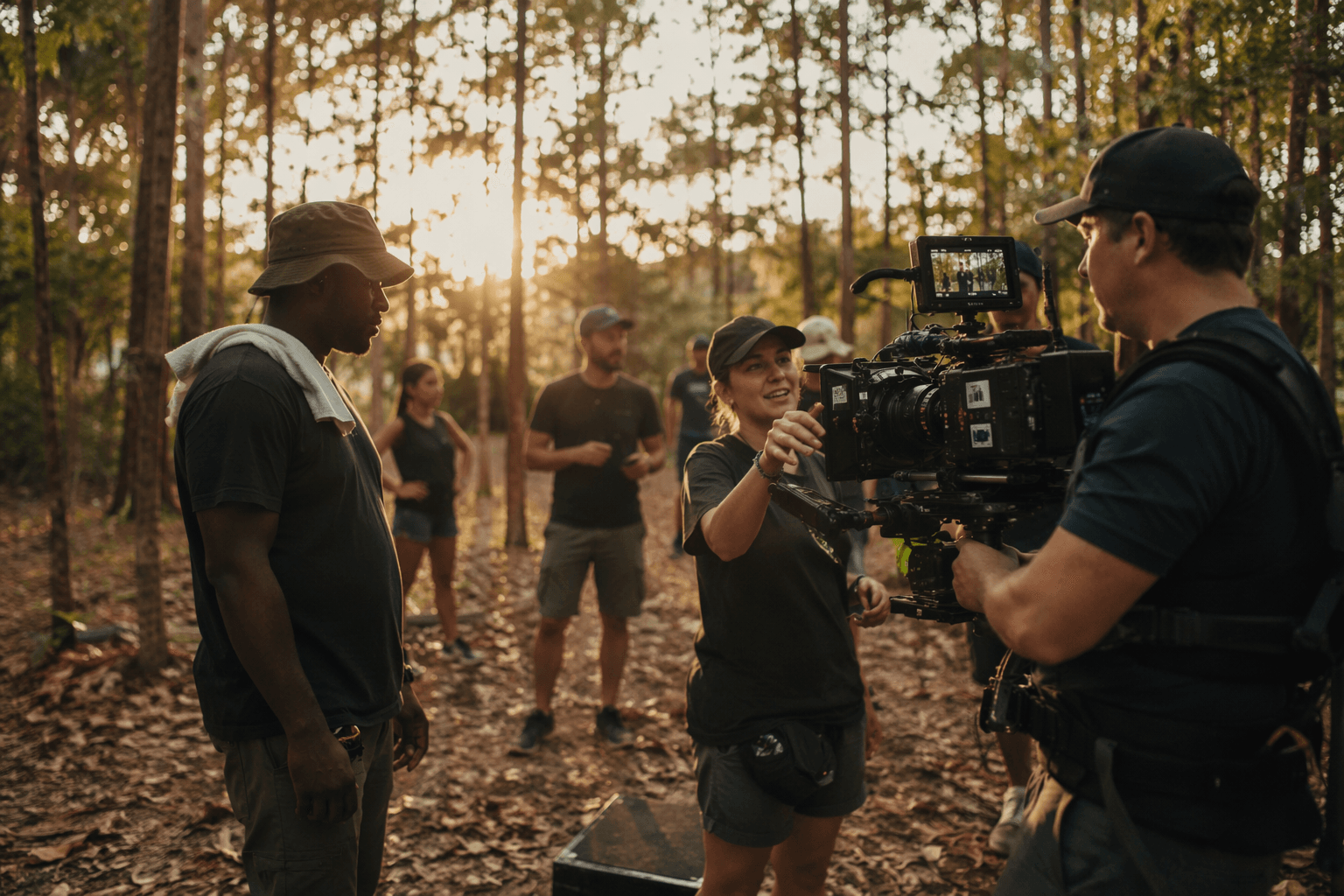
The structure also pushes filmmakers toward the kinds of decisions that can be repeated from one project to the next. Qualified productions can receive sales, use, and lodging tax exemptions, so local vendors and local hotel nights matter in a very practical way. The program does not cover marketing and distribution costs, which means the public support is built to help make the film, not to sell it after the fact.
For producers trying to plan a project in Alabama, the filing order is just as important as the creative plan. Productions must apply at least 30 days before any activities begin in Alabama, be 100 percent fully financed at the time of application, and start principal photography within 90 days of approval. Those rules reward films that already know where they are shooting, who they are hiring, and how fast they can move once the state signs off.
The hiring rules that shape who gets work
The 35 percent payroll rebate for Alabama residents makes in-state hiring one of the most consequential choices on the budget sheet. The Alabama Film Office also requires a residency declaration for each in-state hire if the production wants to claim that rebate, so the paperwork follows the labor decision from the start. That requirement pushes crews to keep records clean and cast lists organized before principal photography begins.
There is also a compliance layer that reaches beyond the incentive paperwork. The Beason-Hammon Alabama Taxpayer and Citizen Protection Act took effect on April 1, 2012, and the state says employers in Alabama must verify the legal presence of employees in the United States. For productions, that means crew hiring is never just about who is available on a given weekend or who comes recommended by a friend. It is also about whether the production can document every local hire properly and stay in step with state labor rules.

Where the network gets built
The Alabama indie scene does not run on incentives alone. Sidewalk Film Festival’s mission is to encourage, inspire, and support filmmaking and the appreciation of independent film in Alabama, and that mission gives the community a place to gather beyond the production office. In practice, the festival functions as a networking hub for Alabama-based filmmakers and artists, which is exactly the kind of infrastructure local productions need if they want to keep reusing the same talent pool.
That repeated contact matters because Alabama productions depend on trust as much as on rebates. A director who knows a reliable grip, a producer who has already worked with a Birmingham crew, or a team that can pull together local locations and vendors without starting from scratch has a real advantage. The same network also makes it easier to keep equipment rentals, post-production work, and other spend inside the state instead of leaking out to other markets.
The broader takeaway is that Alabama independent film is strongest when it behaves like an ecosystem, not a one-off event. A project that hires Alabama talent, uses Alabama locations, works with nearby vendors, and stays inside the state’s incentive and compliance rules is doing more than saving money. It is helping build the kind of repeatable local network that turns a film state into a film community.
This article was produced by Prism’s automated news system from verified source data, official records, and press releases, then run through automated quality and moderation checks before publishing. The system is built and supervised by the people who set the standards it runs under. Read our full AI policy.
Did this article answer your question?


